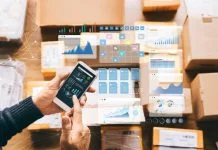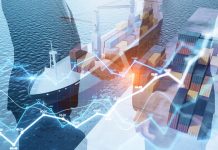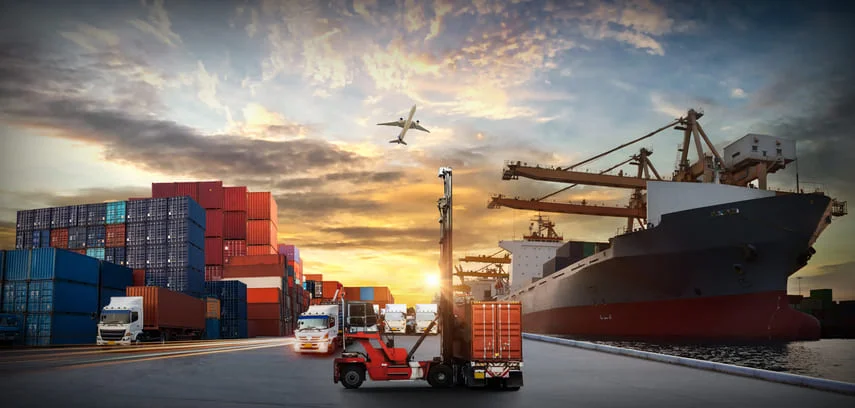
Global logistics used to be about giant cargo ships, wooden pallets, and sheer brute force. Now, the real heavy lifting happens invisibly. The actual physical movement of goods takes a backseat to the digital movement of data. Imagine a cargo container sitting in a busy port. Ten years ago, logistics managers only knew it arrived when a dock worker physically scanned a clipboard and faxed a confirmation. Today, that same steel container broadcasts its internal temperature, humidity levels, and precise GPS coordinates multiple times a second. That is the true power of invisible intelligence. It completely reshapes how every single product gets from a noisy factory floor to a quiet retail shelf.
The End of the Spreadsheet Era
Consider the outdated supply chain spreadsheet. A total relic. Planners used to map out vast supply routes using historical averages and a lot of optimistic guesswork. It was a rigid system built for a predictable world. That world no longer exists. Modern supply networks demand continuous recalculation. Advanced algorithms ingest live weather patterns, port congestion reports, and local traffic data to reroute massive shipments on the fly. No human brain can process that staggering volume of variables without missing something critical. Software does it flawlessly in milliseconds. The legacy companies clinging to static quarterly plans are already falling way behind the curve.
This technological shift doesn’t stop at the loading dock. The physical buildings housing these operations are getting much smarter too. Predictive scheduling now dictates facility maintenance based on actual foot traffic rather than arbitrary calendar dates. Take a bustling inner-city tech and business district. High-density office spaces demand constant upkeep but fluctuate wildly in daily usage. A building manager might bring in commercial cleaning Richmond teams only after smart sensors detect peak usage in this highly populated urban hub. Why? Because deploying a crew based on real-time occupancy data prevents wasted resources on slow days. Smart. Efficient. It completely changes the traditional operational budget.
Sensors and Granular Tracking
Sensors act as the nervous system of modern trade. Tiny, inexpensive internet-connected devices now attach to individual cartons, not just large shipping containers. This level of granular tracking changes everything. A pharmaceutical shipment requiring strict temperature controls relies entirely on these micro-sensors to guarantee viability. The cargo talks to the network the entire trip.
If a cooling unit fails during transit in the back of a truck, the system flags the issue before the product actually spoils. The sheer volume of data generated by these tracking devices is staggering. Recent supply chain industry data revealed a 42% reduction in product spoilage for regional companies deploying item-level tracking. The numbers speak for themselves. Better data equals less waste. It also means fewer frantic phone calls from angry distributors wondering why a shipment arrived ruined.
Where Do People Fit In?
Software handles the repetitive math and the active tracking. What does that leave for the workforce? Strategy. High-level decision-making. The human element shifts entirely from data entry to data interpretation. A logistics manager no longer wastes four hours calling dispatchers to track down a missing pallet of electronics. The system already found it.
Instead, that exact same manager spends their day negotiating better carrier rates or redesigning a distribution network to avoid geopolitical hotspots. The industry jobs aren’t disappearing. They are evolving. And frankly, they are becoming a lot more interesting. People get to solve complex puzzles instead of acting like human calculators. Companies that embrace this shift report higher employee retention because the daily grind is far less tedious.
The Middle Mile Transformation
Think about the middle mile. It is often the most neglected segment of the entire supply chain. Goods moving from a major seaport to a regional hub face entirely unpredictable bottlenecks. Machine learning models analyze historical traffic patterns and local municipal events to predict potential delays days in advance. Consider Australia’s busiest maritime freight gateway. Millions of shipping containers flow through the coastal capital daily. When unexpected port fees skyrocket or major highways close due to accidents, the system immediately advises holding inventory elsewhere. A regional distributor might temporarily reroute excess incoming cargo to a designated storage facility Melbourne location right outside the main port to wait out a sudden spike in transportation costs. Dynamic warehousing like this was completely impossible a decade ago. Now it happens automatically.
Building the Virtual Twin
Algorithms also change how companies view operational risk. Risk management used to mean buying expensive insurance and hoping for the best. Today, it means building digital twins of entire supply networks. A digital twin is an exact virtual replica of a physical supply chain, running in real-time. It mirrors every truck, warehouse, and shipping lane.
Planners can simulate a massive port strike, a sudden regional fuel shortage, or a severe weather event to see exactly how it impacts delivery times across the globe. They break the virtual model a hundred different ways so the real physical network stays completely intact. This proactive stress testing stops major crises before they ever happen in the real world. Nobody notices a supply chain when it works properly. Consumers just expect their online orders to arrive on the doorstep in two days. Maintaining that specific illusion of effortless delivery requires a massive, invisible web of intelligence. The companies winning the logistics race aren’t necessarily buying more trucks. They are investing heavily in better data.