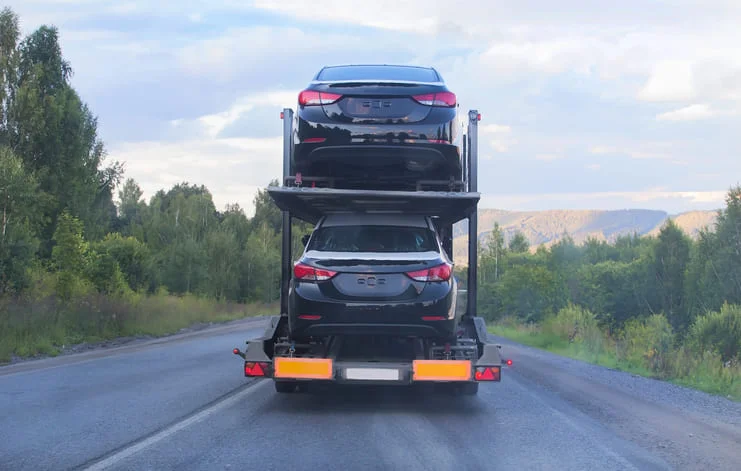
Buying a vehicle from another city or region can give you access to a wider range of options. You may find a better specification, a more suitable used model, a rare vehicle, or business stock that is not available locally. However, once the purchase is complete, there is still an important practical question to solve: how will the vehicle reach you?
Planning vehicle delivery in advance can help avoid delays, unexpected costs, and complications at collection or drop-off. Whether the vehicle is being moved for a private buyer, dealership, fleet operator, auction customer, or business, accurate information and clear arrangements can make the process much easier.
Confirm the Collection and Delivery Details
A successful vehicle movement starts with accurate location information.
Instead of providing only the names of the towns or cities involved, make sure the full pickup and delivery addresses are available, including postcodes. It is also useful to understand what type of location is involved at each end of the journey.
For example, collecting a vehicle from a dealership with a large forecourt may be straightforward. Collecting from a narrow residential street, storage yard, auction site, or restricted-access premises may require additional planning.
You should also confirm the contact details of the people responsible for releasing and receiving the vehicle. They need to know when collection or delivery is expected and whether any documents, keys, identification, or access instructions are required.
If the vehicle is being collected from an auction house, storage facility, or dealership, check opening hours and any specific collection procedures in advance.
Be Clear About the Vehicle’s Condition
One of the most important details to confirm is whether the vehicle can be driven.
A fully operational vehicle is usually easier to load than one that does not start or move correctly. If there are mechanical problems, they should be disclosed when transport arrangements are being made.
Relevant issues might include:
- A flat or disconnected battery
- Engine failure
- Flat or damaged tyres
- Seized brakes
- Steering problems
- Missing keys
- Suspension damage
- Accident damage
Simply describing a vehicle as “non-running” may not provide enough information. A car that does not start but still rolls and steers is very different from one with locked wheels or damaged steering.
This is especially important for restoration projects, salvage vehicles, classic cars, modified vehicles, and specialist models.
Vehicle dimensions should also be checked where necessary. Low-clearance, oversized, unusually wide, or heavily modified vehicles may require different loading arrangements.
Check Access Before the Transporter Arrives
Access problems are a common cause of delays during vehicle collection and delivery.
Transport vehicles are often much larger than passenger cars, so roads that appear suitable for normal traffic may not be practical for a transporter.
Before the journey is arranged, consider potential restrictions such as:
- Narrow streets
- Tight corners
- Low bridges
- Weight restrictions
- Height limits
- Gated entrances
- Steep driveways
- Limited turning space
- Parking restrictions
If direct access is difficult, it may be better to agree on a nearby meeting point.
For example, if a home is located on a narrow residential road, the handover could take place at a nearby car park, wider road, service area, or another safe and accessible location.
Planning this before the vehicle is moved is much easier than trying to solve access problems when the transporter has already arrived.
Compare Transport Quotes Carefully
Cost is naturally an important consideration, but the lowest quote is not always the only factor worth comparing.
Each quote should be based on the same information, including the vehicle type, condition, collection address, delivery address, and preferred timeframe.
It is also useful to compare what is included in the proposed service. Consider factors such as:
- Estimated collection date
- Estimated delivery timeframe
- Type of transport vehicle
- Loading requirements
- Flexibility around dates
- Access requirements
- Additional charges
- Insurance arrangements
If the delivery is not urgent, greater flexibility may help reduce costs. However, if the vehicle must arrive before a specific date, scheduling reliability may be more important than choosing the lowest available price.
Vehicle transport procedures can vary depending on the provider, route, vehicle condition, and collection requirements. Information from sources such as DeliverMyMotor can provide additional context on how vehicle collection and delivery arrangements are typically handled.
Regardless of how transport is arranged, the information supplied should be complete and accurate.
Understand Insurance and Responsibility
Insurance should be checked before the vehicle is collected.
Do not assume that every transport arrangement provides the same level of cover. Ask what protection applies while the vehicle is being loaded, transported, and delivered.
It is also sensible to understand who is responsible for the vehicle at different stages of the journey and what procedure should be followed if damage is discovered.
Important questions may include:
- What type of transport insurance applies?
- Are there any exclusions?
- Is there a maximum claim value?
- How should existing damage be recorded?
- What happens if new damage is identified at delivery?
- Are valuable items inside the vehicle covered?
Private buyers should also check their own motor insurance arrangements before driving the vehicle after delivery.
Document the Vehicle Before Collection
Recording the vehicle’s condition before transportation can protect everyone involved.
Take clear photographs from several angles before collection. Where possible, include images of:
- Front and rear of the vehicle
- Both sides
- Wheels and tyres
- Windscreen and windows
- Existing dents or scratches
- Interior condition
- Dashboard mileage
Photos should ideally be taken in good lighting and saved with the date of collection.
This is particularly useful when transporting newly purchased vehicles, classic cars, high-value models, restored vehicles, or vehicles bought remotely without the buyer being present.
At delivery, inspect the vehicle again before completing the handover. Compare its condition with the original photographs and collection notes.
Businesses that move vehicles regularly may benefit from using a standard handover checklist covering condition, keys, mileage, documents, collection contacts, photographs, and delivery confirmation.
Make Sure Keys and Documents Are Available
Transport arrangements can quickly become complicated if the correct keys or documents are missing.
Before collection, confirm that all necessary keys are available, including spare keys if required. If the vehicle has locking wheel nuts, immobiliser codes, alarm systems, or unusual starting procedures, these details should also be communicated.
Depending on the circumstances, relevant documentation may include vehicle records, auction paperwork, collection authorisation, identification, or release documents.
If someone other than the buyer is collecting or receiving the vehicle, make sure they have the necessary information and authority.
Consider Transport Costs Before Buying
Vehicle transport should ideally be considered before the purchase is finalised.
A vehicle that appears inexpensive may become much less attractive once collection, transport, access difficulties, or specialist loading requirements are included.
Before committing to a vehicle located far away, confirm:
- Where the vehicle is located
- Whether it starts and drives
- Whether it rolls and steers
- When it can be collected
- Whether the site is easy to access
- Rough transport costs
- Any deadline for removal
This provides a more realistic picture of the total purchase cost.
For example, a restoration vehicle offered at a low price may require specialist equipment if the wheels are locked or the vehicle cannot steer. In that situation, transportation may form a significant part of the overall cost.
Build Some Flexibility Into the Schedule
Remote vehicle purchases do not always follow an exact timetable.
Dealerships, auctions, sellers, storage sites, transporters, and buyers may all have different availability. Allowing some flexibility can reduce pressure if collection or delivery times change.
If you need the vehicle for a particular event, business requirement, inspection, or appointment, try to arrange delivery well before the deadline rather than scheduling it for the last possible day.
Clear communication between the seller, transporter, and recipient is often the simplest way to prevent timing issues.
Final Thoughts
Buying a vehicle from further away can significantly increase your options, but transportation should be treated as part of the purchase rather than an afterthought.
Accurate addresses, honest vehicle condition information, suitable access, clear scheduling, insurance checks, and proper handover records all contribute to a smoother delivery process.
By checking these details before completing the purchase, buyers can understand the full cost and practical requirements involved. Good planning can make it much easier to purchase a suitable vehicle from another city or region without creating unnecessary complications during collection and delivery.