
By Avi Liran
Discover ten powerful listening techniques that help leaders connect more deeply, inspire greater trust, and unlock the full potential of their teams.
You think you are a good listener; so does almost everyone. And almost everyone is wrong. Here is the uncomfortable truth: most of us are not listening but waiting to jump in. Good listening is not a soft skill; it is hard work, and it takes deliberate practice.
A Christian, a Muslim, and a Jew walk into a bar.
Noah Eckstein opened his Harvard commencement address of class of 2026 with that line. The setup sounds like a joke. The punchline is his own family, and it circles back at Technique 10.
“The counter to division isn’t necessarily agreement. It’s understanding.” ~ Noah Eckstein
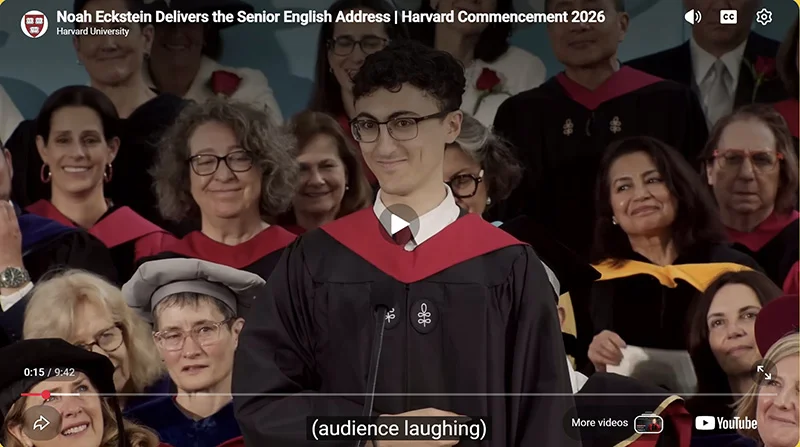
Between here and there stands the skill his whole speech asked for. The skill almost everyone believes they already have.
The Listening Gap Leaders Cannot Afford to Ignore
The data suggests most of us suffer from this listening illusion. According to Accenture, 96% of global professionals consider themselves good listeners. Yet 86% of employees feel unheard, and 63% feel their voices have been ignored. On the flip side, 92% of highly engaged employees feel heard, compared to only 30% of disengaged ones.
Have you ever used mental auto-complete on what someone was saying, drafted your reply while someone was still talking, or cut them off mid-sentence, eager to share your brilliant insight?
We have all done it, mistaking hearing for truly listening.
Good listening requires hard work of being fully human with another person. And in fast pace a world where everyone shouts to express themselves, it takes deliberate practice.
“My Listen more than you talk. Nobody learned anything by hearing themselves speak.” ~ Edward James Branson (Sir Richard Branson’s father)
In his podcast ReThinking, Adam Grant was asked by guest Bill Ready, Pinterest CEO, what it takes to change our own minds. His answer cut straight to the point:
“My biggest takeaway around pening other people’s minds was that listening is more persuasive than talking.” ~ Bill Ready
Powerful. So why are most of us still talking?
Leaders who fail to listen miss a connection and unknowingly apply the brakes to creativity, innovation, and motivation. This deficit leads to misaligned teams, wasted time, and diminished productivity.
Bob Chapman took over Barry-Wehmiller in 1975 when it had $20 million in revenue and built it into a $3.6 billion company on one conviction: every person matters. His internal university teaches empathetic listening as a core competency and attributes to it much of the success of the transformation of Barry-Wehmiller. As Chapman puts it:
“Listening to understand and validate, not to judge and argue. This is the greatest of all leadership skills in our business, home and communities.“
We know listening matters. Yet in a noisy, fast-paced world, practising it takes deliberate effort.
I won’t repeat the obvious advice you’ve read elsewhere: maintain eye contact, paraphrase messages, ask clarifying questions. Instead, here are 10 highly effective listening techniques. Practice the ones that resonate, and you’ll transform how you lead.
Technique 1
List-Ten: Learn 10 New Things

Eckstein handed the graduates the why. Here is the technique that gave me the how, and it changed my life.
I used to be a terrible listener (still work in progress). My ADHD brain raced ahead, making me an unavailable boss, a distracted friend, and a half-present family member.
Then I had a eureka moment: The word “Listen” can be broken into two parts: “List” and “ten”, mirroring, as I later discovered, the number ten hiding inside the 3,000-year-old Chinese character for listening (that royal secret waits in Technique 4).
I created a personal challenge: Before it’s my turn to speak, I must learn 10 new things about the person in front of me.
Suddenly, listening became effective, inspiring, and fun. When you get genuinely interested in them, they feel safe to open up. Switching to “curiosity mode” uncovers remarkable stories people rarely share.
When you reflect on what you heard back to them, something shifts. People light up. They see themselves through kinder eyes. You get to witness them feeling proud, and you feel it too. The conversation becomes a mutual gift.
Listening is a workout. The muscle is curiosity. The more you use it, the stronger it gets.
Some days List-Ten feels ambitious. Aim for 3 to 5 new revelations and call it a win. Over time, List-Ten can become your favourite ritual, because you train yourself to notice what makes others special.
Technique 2
Be Self-Aware
How would you know that you are not listening if you aren’t aware?
My mentor, the 90-year-old bestselling author and humorist Lenny Ravich, said: “Awareness gives us more and better choices.”
Martin Buber, the Austrian-Israeli philosopher best known for his philosophy of dialogue, drew a sharp distinction between two ways of relating: “I-It,” the transactional, objectifying mode where people become a means to an end, and “I-Thou,” where true presence lives with no agenda, no labels, just one whole human being meeting another.
Before every interaction, take a short mental pause. Slide your self-awareness dial from “Autopilot” to “Attentive,” the way you adjust the volume on your phone.
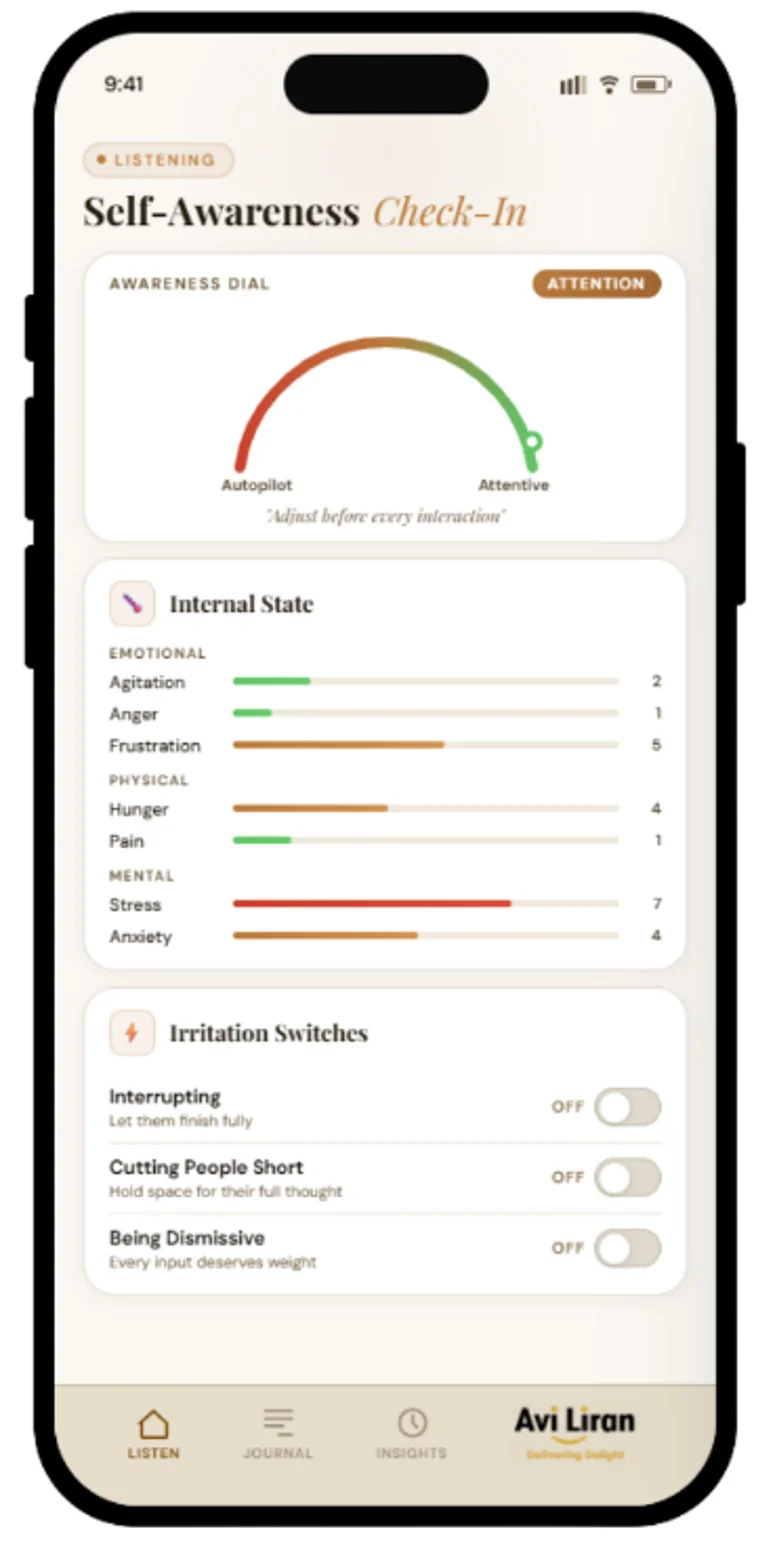
1. Check your internal state.
Are you tired, stressed, or running on a short fuse? Knowing your current emotional, physical and mental state helps you recognise when an internal issue is influencing what you think you hear.
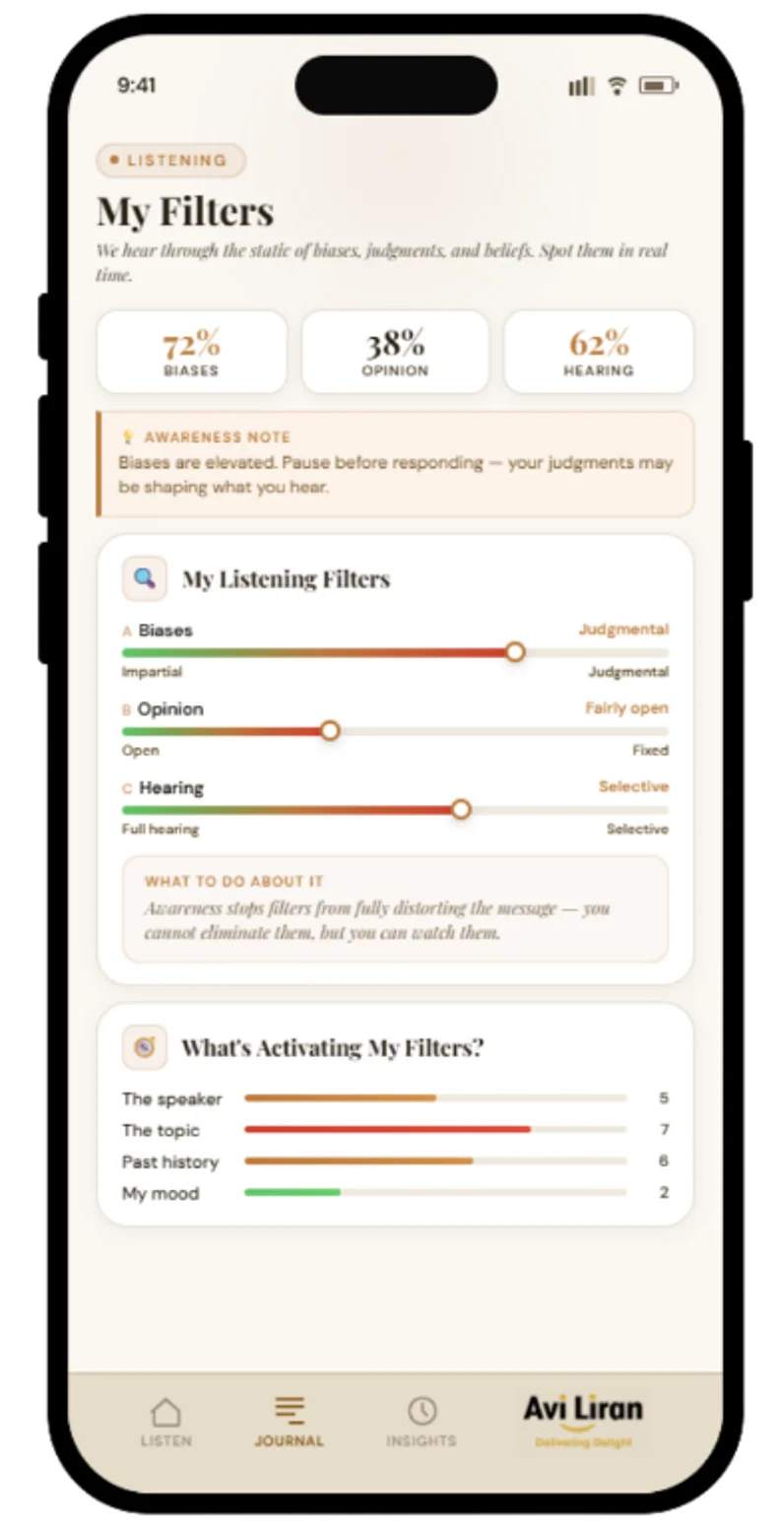
Spot your filters in real time.
We rarely hear exactly what someone says. It passes through our biases, judgments, and projections — all shaped by experience, culture, and belief — before it registers as meaning.
When tension, confusion, fear, or distrust surfaces, ask yourself: Is this coming from my background or theirs? The answer won’t always be clear. But the habit of asking moves you from reactive to reflective.
You cannot eliminate your biases entirely, but with greater awareness, you are likely to reduce them significantly.
2. Notice your triggers.
Irritation is a signal to reset your awareness. When you feel defensive, dismissive or the urge to interrupt, your filters have taken over your perception. Acknowledging these emotional flares is the first step toward increasing our capacity to offer true listening.
3. Park Your Opinion:
When we grip an opinion tightly, we stop listening and start manipulating. The remedy: record the thought on your phone or notebook. Parking it frees you to listen to understand, rather than listening to respond.
Technique 3
Just Listen
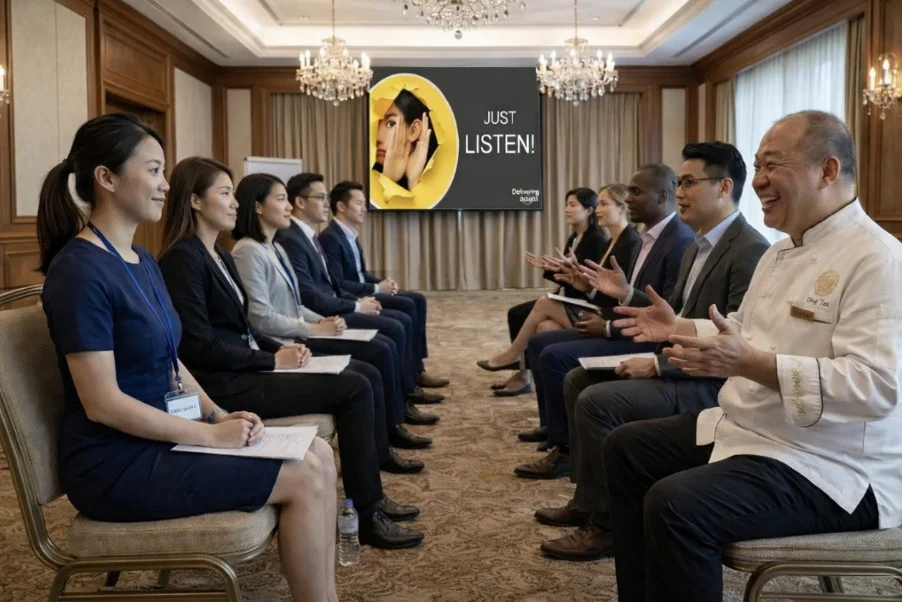
In one of our first Joy-Care Leadership advanced workshops for leaders of a global hospitality giant, we facilitated the “Just Listen” unadulterated listening exercise. The rules were simple: be present, hold the space, refrain from speaking, nodding, and even humming. Let the other person finish uninterruptedly.
The leaders paired up and began sharing. Suddenly Lynn, the HR Director, started crying. The room went so quiet you could hear a pin drop. Everyone circled her with concern — but then Lynn reassured us: “Don’t worry, it’s a good cry.”
“For two years, our Executive Chef came to me every few months with the same request. Every time, I cut him off halfway. Today, for the first time, I let him finish. He was asking something completely different. I’m ashamed. I jumped to conclusions and denied him the basic respect of truly listening.”
The energy shifted. Lynn’s vulnerability left a lasting mark on everyone. Our agendas and assumptions often hide important possibilities.
Don’t be afraid, nor try to fill a moment of silence. Offer it as a gift that creates a safe, comfortable space for both of you to share what truly matters.
Richard Branson’s Technique for Listening to the Quiet in the Room
Sir Richard Branson says that when he disagrees, he may go quiet and change the subject. When others respond with silence, he suspects disagreement and asks:
“I can tell by the fact you haven’t responded that you see it differently. What do you think?”
Instead of avoiding conflict or creating a misunderstanding, Branson actively addresses the “elephant in the room” and defuses the tension.
Stop Multitasking During Conversations
I was hired by a Fortune 100 CHRO who deeply cared for her people. During interviews, her team expressed surprising frustration. Her open-door policy had become a revolving door of constant interruptions.
One leader shared that during an hour-long meeting with her, they received only fifteen minutes of real conversation. People barged in with crises every few minutes. The leader felt dismissed and unimportant.
The CHRO confused availability with presence. By trying to be accessible to everyone at once, she was present for no one. Multitasking during a conversation is not efficient. It is alienating.
Technique 4
聽 Listen Like a King
The Chinese character for “to listen,” 聽 (tīng), is a 3,000-year-old listening masterclass. Read it clockwise from the top-left to discover how the ancient Chinese recognized listening as a holistic endeavour that engages the entire being.

- Ear (耳 ěr): Pay attention to the spoken words and vocal nuances to catch the emotions and intentions riding beneath them.
- Ten (十) Eyes (目): Listening demands 10 eyes’ worth of attention to body language, facial expressions, and body gestures. Check if their nonverbal cues match their words.
- One (一) and Heart (心): Listen wholeheartedly. Use empathy and understanding to build rapport and create deeper communication.
- King (王): Combining all the elements results in royalty-level listening. The three horizontal strokes represent Heaven, Man, and Earth. The vertical stroke is the king — the one who connects them together.
A leader’s king-like attention protects against the quiet cost of missed signals. Ignoring the nuances in a room can lead to expensive gaps later.
Listen With Your Heart

Listening with the heart opens the door to deeper empathy, echoed by a Balinese healer and The Little Prince’s wisdom.
The Balinese healer Ketut, whom Elizabeth Gilbert visits in her book Eat, Pray, Love, sketched a figure with four legs on the ground and a face drawn where the heart should be. His message: “Stop looking at the world through your head. Look through your heart instead. That way, you will know God.”

“It is only with the heart that one can see rightly; what is essential is invisible to the eye.” — Antoine de Saint-Exupéry, The Little Prince
The rational mind handles logic. The heart catches the feeling behind the words. That is where communication becomes connection.
Technique 5
“Tell Me More.”

One of the best ways to show genuine interest is saying just three words: “Tell me more.”
This phrase flips your brain from “reply mode” to “discovery mode.” Instead of preparing your next point, you start learning more about the other person’s world. That becomes useful later, because you understand better what matters to them.
These magic words carry no approval nor disapproval, helping you avoid judgment and gather more information before your mind jumps to conclusions.
Used authentically, “Tell me more” helps the speaker feel safe to open up. It builds trust, deepens rapport, and takes the conversation to places neither of you expected.
Technique 6
Become a Gracious and Generous Host

Think like a talk-show host with an audience of 1: you. Bring out your guest’s best, uncover the story behind the story, and help them shine.
What Great Hosts Do
Prepare Thoroughly: Check their social media profiles. Like one of their best posts. Add a thoughtful comment. Ask an AI to surface something surprising or quirky detail you can use as a warm opener.
I once noticed my conversation partner went to high school in Jakarta. When I mentioned it, he lit up and spent 10 minutes sharing how that chapter shaped him. One small detail set the tone for everything that followed.
Stay Flexible: Prepare deeply, then let the conversation flow. Embrace surprise turns. Let curiosity lead. Improvise. The unscripted and unexpected moments often become the memorable ones.
Ask Open-Ended Questions: Closed questions invite boring yes/no answers and awkwardness. Open questions invite stories. Instead of “Did you like that experience?” try: “What surprised you most?” or “What did you learn about yourself?” or “What part still stays with you?”
Celebrate your guest: Most people hesitate to speak highly of themselves. Name what you admire with specificity. Help them see their strengths clearly and embrace their own brilliance.
Hold the 70/30 ratio: Let your guest talk 70% of the time. Share short, relevant stories only to connect or open a deeper door.
Embrace the Pause: After your guest finishes talking, wait a few seconds. It gives the speaker time to gather their thoughts and encourages further sharing. Some of their best insights emerge in that pause.
Honor Boundaries: Create safety. Keep your guest comfortable. Read their cues and
adjust accordingly.
Becoming the generous and gracious host shifts you from passive listening to active engagement. You uncover their magic and the conversation takes on a life of its own.
Technique 7
Help People Feel Smart
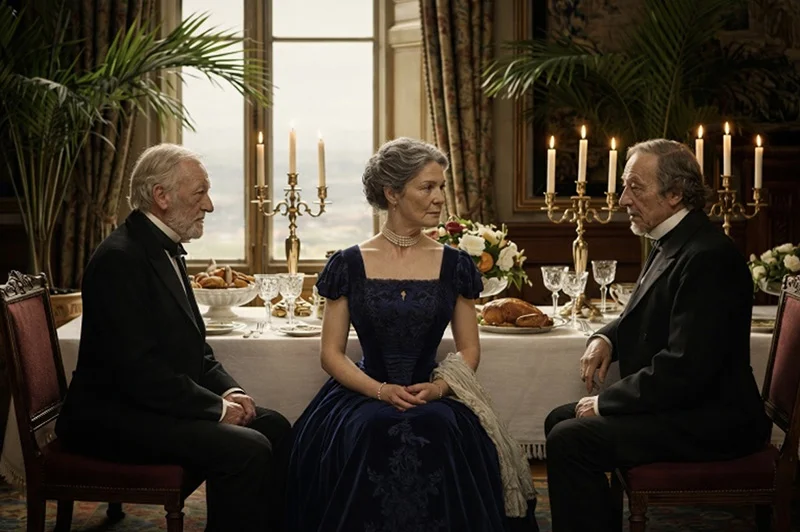
There is a famous story, commonly attributed to Winston Churchill’s mother, Jennie Jerome. She spent time with two rival British leaders, William Gladstone and Benjamin Disraeli. When asked how each man made her feel, she answered:
“With Gladstone, I left thinking he was the cleverest man in England. With Disraeli, I left thinking I was the cleverest woman in England.”
Gladstone was talking to impress. He dazzled people with his sharp intellect and knowledge. He commanded respect, dispensing wisdom and demonstrating expertise. Impressive? Certainly. Engaging? Not quite.
Disraeli took a different approach. He understood what Maya Angelou would say 100 years later:
“People will forget what you said, people will forget what you did, but people will never forget how you made them feel.”
He asked questions. He listened intently. He made whomever he spoke with feel fascinating, valued, and heard.
Technique 8
Visual Listening
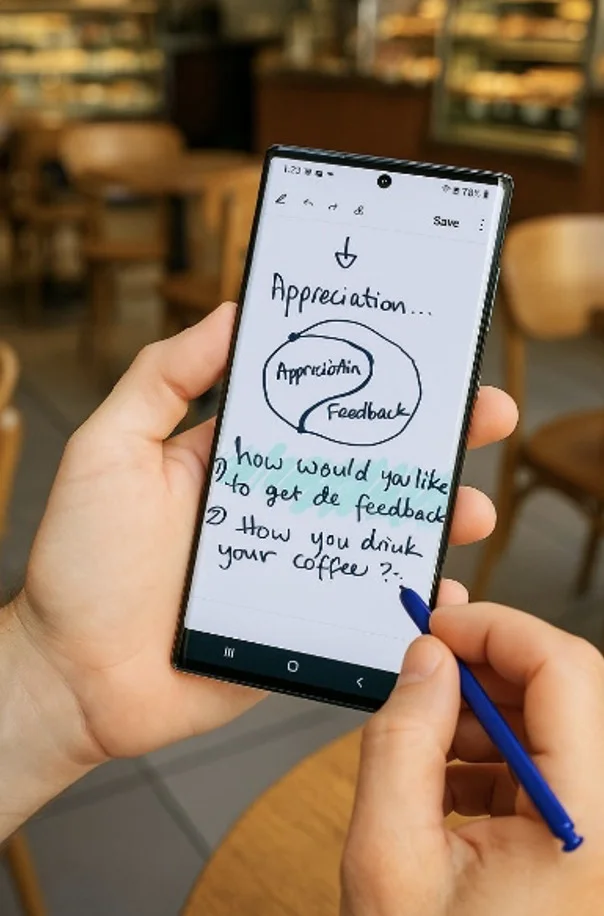
Mid-conversation, Dany Krivoshey’s eyes light up. Out comes his Samsung Notes. Like a modern Disraeli with a stylus, the Chief Digital and Technology Officer at Unilever International begins sketching what I just said, with the focused delight of a child drawing their favourite animal.
His stylus makes a soft whisper against the screen. Circles become concepts. Arrows show connections. In thirty seconds, he’s drawn a tiny X-ray of my thinking. Then he turns the phone toward me: “Did I get this right?”
That act made me feel completely heard. Someone thought what I said was worth capturing.

It’s a learnable method, not a gifted talent. Tim Hamons, Asia’s pioneer of visual thinking, captures major leadership retreats in real time.
His insight: a light motor task like sketching keeps the hands occupied and the mind focused, nearly eliminating mental wandering.
When you sketch a conversation, language networks and visual-motor networks fire together across the corpus callosum, strengthening both attention in the moment and memory.
Technique 9
Listen to the Listening

Ron Kaufman, a leading authority on service culture, carries a small notebook. When a thought sparks, he writes it down instead of interrupting. It is one of his practices for being fully present in the conversation and then exploring more deeply together.
Ron learned from his mentor, the renowned polymath and philosopher Fernando Flores, to “Listen to the Listening” as a way of being fully present.
Great listening goes deep — far below, behind, and beyond the words being said. Each person speaks and listens from a background shaped by a cultural and personal lifetime of unique languages, social history, rich traditions, accepted customs, common expectations, cherished rituals, sacred religions, and the shared lived experience of all those with whom we have been raised.
All of this is already and always “in the background” when someone speaks about what matters to them. When we appreciate how the other person has been raised, educated, shaped, and evolved, we can listen to the way they listen and speak in the world.
The invitation in this technique is to do more than “listen to the words.” Yes, do that — and also “listen to the way of listening” others have inherited and adopted, appreciating the background of experiences that shape the way they interpret the world, express their concerns, build relationships, and embody their intentions.
The goal, Ron explains, is not only to understand the words and meanings someone is saying in the moment — it is to appreciate the background from which their words have been born, shaped, and are being evolved in this precious conversation with you.
Technique 10
Listen Like You Might Be Wrong
Back to the joke that opened this article. Noah Eckstein’s Christian grandmother married his Muslim grandfather. Their daughter converted and married his Jewish grandfather. 22 years later their grandson stood in Harvard Yard, delivering the commencement speech to 30,000 people.
His grandfathers, a Pakistani Muslim who grew up amid the 1947 Indo-Pakistani war and a Jewish refugee of the Holocaust, agreed on almost nothing. They talked for years at the same coffee table and ended every phone call asking how the other was doing.
Eckstein named the principle: “the counter to division isn’t necessarily agreement. It’s understanding.”
Peace built on understanding survives conflict. Peace built on agreement lasts only until someone stops agreeing.
His instruction to the graduates fits every boardroom, dinner table, and comment thread. State your case and stand up for what you believe. Then ask the other person how they reached their beliefs, place yourself in their shoes, and listen like you might be wrong.
The grandfathers stayed stubborn to the very end. One was buried facing Mecca, the other in accordance with Jewish law, the grandmother with her cross. The punchline never arrived, and the family stayed whole.
You are invited to try these 10 techniques, one conversation at a time, and watch the magic unfold!
Pressed for time? Start with List-Ten. It moves the needle fastest. Then come back for the rest.
As your listening improves, your conversations will flow naturally. People feel safe to open up and your relationships will deepen because they feel genuinely heard and understood.
Trust grows so your team takes more creative risks, shares more freely, welcomes feedback, and brings better solutions to the table. Conflicts become easier to navigate, you take wiser decisions, and your influence amplifies.