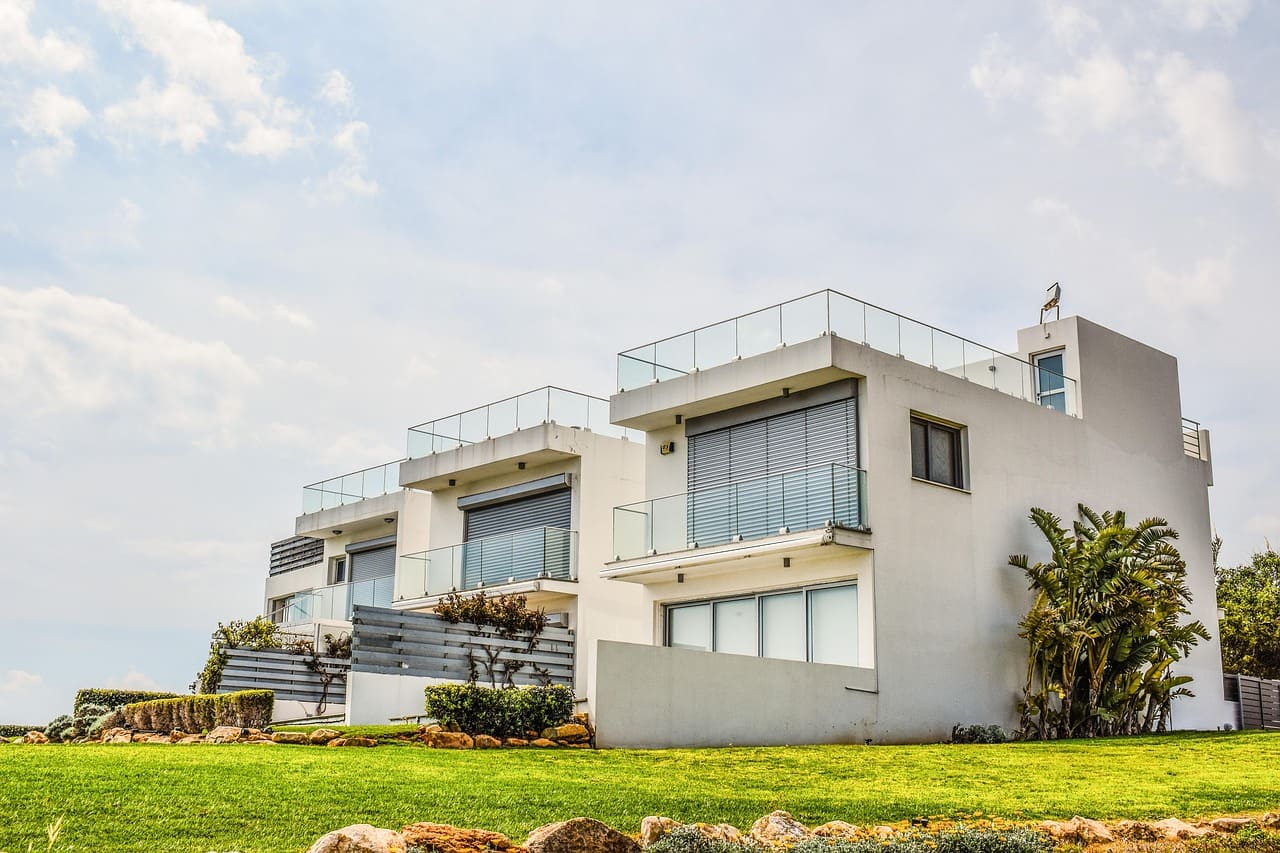
Climate change is rapidly reshaping the economics of American real estate. Rising temperatures, worsening storms, and stricter environmental regulations now affect property values, insurance costs, and long-term investment performance. Consequently, investors increasingly seek practical ways to protect buildings from climate-related deterioration while maintaining strong asset returns.
Advanced coatings and climate-adaptive paints have emerged as cost-effective solutions for improving energy efficiency, reducing thermal stress, and extending building lifespan. From high-albedo cool roof systems to elastomeric protective coatings, these technologies offer both environmental and financial benefits. This article explores how strategic paint upgrades can help future-proof commercial and residential real estate investments.
The Macroeconomics of Climate-Exposed Real Estate
Climate Risks Are Reshaping Property Valuations
Climate vulnerabilities are no longer distant projections. They now drive immediate real estate asset devaluation, and institutional portfolios face measurable downside risks from extreme heat and shifting climate zones.
Real estate remains highly exposed to climate-related risks. The sector holds USD 111 trillion in wealth across Organisation for Economic Co-operation and Development (OECD) economies. This equals 196% of their combined GDP. Property assets are immobile, long-lived, and heavily regulated locally, so they remain highly sensitive to both physical and transition risks.
Although climate risks begin locally, their impact scales nationally and globally. Climate-related disasters now cost up to USD 430 billion annually worldwide. This equals roughly 0.5% of global GDP. In the first half of 2025 alone, disaster damages reached USD 131 billion.
These losses are forcing investors to rethink asset protection strategies. High-risk climate zones now face severe property devaluation. At the same time, institutional buyers increasingly prioritise long-term structural resilience.
Rising Insurance Costs and Municipal Pressure
Meanwhile, worsening weather extremes continue driving double-digit insurance premium increases across North America. Prolonged heatwaves also accelerate the mechanical degradation of building envelopes.
To address these threats, municipal frameworks now demand urgent structural adaptation. However, community-led action remains equally important. For example, the actions of Issaquah community members significantly reduce community-wide greenhouse gas emissions. Residents decarbonise their homes to support a healthier local environment.
In practice, property owners can work with a local painting company in Issaquah to apply climate-resistant coatings suited to regional weather conditions. These finishes help buildings withstand climatic wear and tear, improve energy efficiency, and support long-term property value.
These grassroots efforts align with strict regional decarbonisation targets. Many local laws now target a reduction in building energy use. As a result, compliance increasingly requires immediate building envelope upgrades. These improvements help properties withstand extreme weather conditions more effectively.
Real estate asset managers face growing pressure to act quickly. Investment in advanced exterior asset preservation prevents expensive structural deterioration and strengthens long-term curb appeal.
Thermodynamics of Climate-Adaptive Coatings
How High-Albedo Coatings Reduce Heat
Advanced paints now play an important role in climate adaptation. They reduce surface temperatures and lower building energy consumption. Property owners increasingly apply high-albedo cool roof coatings and insulating wall coatings to reflect solar radiation passively.
This relatively simple upgrade cuts cooling costs significantly. It also helps mitigate urban heat islands. Urban heat islands occur when cities become hotter than surrounding rural areas. In some locations, this temperature gap can reach up to 7 degrees Fahrenheit.
Urban construction materials intensify this effect further. Asphalt, concrete, and traditional paints absorb and retain substantial heat throughout the day. This growing concern has also drawn attention from climate researchers.
Aditi Bunker, an epidemiologist at the University of Heidelberg in Germany, explains that homes have traditionally served as places of shelter from external conditions. However, many people now live in housing conditions where the very structures meant to protect them are increasing their exposure to extreme heat.
High-albedo coatings change this thermal equation through advanced material science. Ultra-white and cool roof technologies can reduce roof surface temperatures significantly, which reshapes overall building thermodynamics.
Community-Wide Benefits of Reflective Paint Technologies
Passive cooling systems created by reflective paint coatings reduce residential and commercial cooling energy use significantly by staying up to 50°F (28 °C) cooler. Lower energy consumption also reduces greenhouse gas emissions while easing pressure on local electrical infrastructure.
In addition, using high-albedo coatings lowers ambient neighbourhood temperatures. This broader application protects buildings from extreme heat degradation. It also reduces strain on regional power grids during peak summer demand.
Therefore, property owners can benefit financially while supporting wider climate goals. These technologies protect individual assets while strengthening entire communities simultaneously.
Material Science and Longevity Innovations
Preventing Structural Degradation Through Protective Coatings
Extreme heat and thermal shock place enormous stress on traditional building materials. Repeated expansion and contraction create micro-cracking and joint failure over time. Eventually, these flaws allow systemic moisture penetration.
Modern heat-reflective cool roof paint uses high-albedo, solar-reflective coating technology. These coatings bounce sunlight away from roofing surfaces rather than absorbing it. Consequently, roof temperatures fall dramatically. Protective coatings help buildings withstand severe weather extremes, hail, and high wind loads. As a result, they significantly extend the lifespan of buildings.
Thermal Barrier Paints and Long-Term Maintenance
Reflective coatings also protect roofs from constant thermal expansion and UV degradation. This defence helps prevent cracking while extending the roof’s lifespan considerably. Additionally, these coatings help combat the urban heat island effect and support sustainable green building certifications such as LEED.
Thermal barrier paints provide another layer of protection. Applied to interior walls and ceilings, these coatings create an insulating thermal barrier. During winter, they reduce indoor heat loss, while in summer, they restrict external heat penetration.
In regions with challenging moisture conditions, experts like EA Pro Painters recommend repainting every 5 to 10 years. Routine maintenance prevents wood rot and siding deterioration caused by local climate conditions.
Partnering with a commercial painting company that asset managers trust helps large-scale facilities maintain weather-resistant coatings effectively. These premium applications also help properties meet strict regional compliance standards.
Strategic Value Capture and Execution Framework
Green Buildings and Investment Performance
Sustainability targets continue creating major investment opportunities across interconnected markets. Green buildings alone represent a USD 24.7 trillion investment opportunity in emerging markets by 2030. Several factors drive this expansion. Lower operating costs, stronger tenant demand, and higher asset valuations all contribute to rising market interest.
Green buildings consistently deliver strong financial performance. Many achieve operating expenses up to 37% lower than conventional properties. They can also secure sales price premiums of up to 31% while reducing transaction times. Additionally, green-certified properties often record occupancy rates up to 23% higher. Rental income can also increase by as much as 8%.
Compliance, Tax Incentives, and Asset Protection
Energy-efficient buildings command stronger market valuations and improved tenant retention. In many major cities, cool roof and reflective pavement coatings are now increasingly mandated under sustainability frameworks. Working with green building councils helps ensure compliance with strict material sourcing standards. These upgrades also satisfy evolving regional environmental regulations.
At the same time, proactive building envelope maintenance preserves long-term asset yields and capital valuation premiums. Certain exterior upgrades may also help owners maximise tax deductions.
Maintained exteriors also correlate with stronger corporate lease renewal rates. Advanced elastomeric coatings further protect envelope structures from systemic rot and moisture-related failures. Investors increasingly use these advanced finishes to capture market premiums. More importantly, they help safeguard assets against future economic and environmental disruption.
Frequently Asked Questions
What type of paint is best for house protection?
High-quality acrylic latex paint provides excellent protection for most homes. This durable formula resists UV exposure effectively. It also flexes with temperature changes, preventing cracks and improving moisture resistance.
How often should I repaint to protect a building?
Most residential and commercial properties require repainting every 5 to 10 years. However, timelines vary depending on climate conditions and substrate materials. Regular maintenance prevents structural deterioration and costly wood rot.
Is protective paint different from regular paint?
Yes. Protective paints contain specialised additives such as elastomeric polymers and ceramic beads. These materials improve thermal resistance and water protection significantly. They also shield substrates from severe environmental degradation more effectively than standard paints.
Are there paints specifically designed for coastal homes?
Yes. Coastal homes often require marine-grade or high-build elastomeric coatings. These formulations resist salt spray, high humidity, and wind-driven rain effectively. They also help prevent moisture intrusion and salt-related structural degradation.
Key Metrics
| Global Real Estate Risk Exposure | Holds USD 111 trillion in wealth across OECD economies, equaling 196% of their combined GDP. |
| Annual Climate Disaster Cost | Costs up to USD 430 billion annually worldwide, representing roughly 0.5% of global GDP. |
| 2025 Disaster Damages | Reached USD 131 billion globally during the first half of 2025 alone. |
| Urban Temperature Multipliers | Increases the temperature gap between cities and rural areas by up to 7 degrees Fahrenheit. |
| Reflective Paint Thermal Performance | Reduces roof surface temperatures significantly by staying up to 50°F (28°C) cooler. |
| Recommended Maintenance Interval | Requires a comprehensive repainting cycle every 5 to 10 years in challenging moisture conditions. |
| Global Green Building Market Opportunity | Represents a cumulative USD 24.7 trillion investment opportunity in emerging markets by 2030. |
| Green Facility Operating Efficiencies | Delivers drop reductions in operating expenses by up to 37% compared to conventional properties. |
| Certified Asset Valuation Premiums | Secures property sales price premiums of up to 31% with faster transaction times. |
| Sustainable Property Occupancy Boost | Achieves occupancy rates up to 23% higher alongside an 8% rental income uplift. |
Conclusion
Climate risks are already reshaping the American real estate market, making long-term property protection more important than ever. Advanced paints and climate-adaptive coatings offer a practical way to reduce heat damage, improve energy efficiency, and extend building lifespan. They also help property owners meet evolving sustainability standards while protecting asset value.
As environmental pressures and operating costs continue to rise, smart exterior upgrades are becoming a strategic investment rather than a cosmetic improvement. For investors and asset managers, the right coatings can support both financial performance and long-term climate resilience.
Disclaimer: This article contains sponsored marketing content. It is intended for promotional purposes and should not be considered as an endorsement or recommendation by our website. Readers are encouraged to conduct their own research and exercise their own judgment before making any decisions based on the information provided in this article.