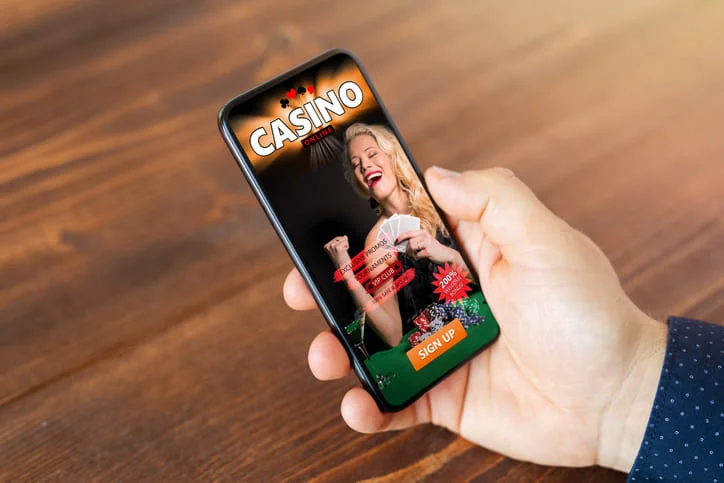
There was a time when online gambling meant sitting at a desk, loading a clunky browser, and waiting for a Flash-based lobby to appear. It feels quaint now. The iGaming industry has gone through a full metamorphosis, and the smartphone in your pocket played the starring role.
Mobile Took Priority Over Desktop
The shift didn’t happen overnight, but it happened fast. A decade ago, mobile versions of casino and betting sites were stripped-down afterthoughts. Limited game libraries, laggy interfaces, frustrating payment flows. Players tolerated it because the alternative was no access at all. Then something clicked.
Operators realized that mobile wasn’t just another channel. It was becoming the channel. By 2026, mobile platforms account for roughly 60% of total iGaming revenue in mature markets like the UK. The logic is simple: people carry their phones everywhere. Commuting, waiting in line, lounging on the couch. Those small pockets of downtime became prime gaming moments.
And that shift reshaped the competitive landscape. Legacy operators scrambled to retrofit their desktop platforms for smaller screens. But a newer wave of brands never had to make that pivot. Big Pirate, a sweepstakes social casino carrying over 3,000 games (free-to-play with prize redemption rather than traditional real-money wagering), entered the market with mobile as its foundation rather than an adaptation. No desktop version came first. No clunky port followed. The product was built for the device people actually use, and that distinction matters more than it sounds.
HTML5 was the quiet revolution behind the scenes. It replaced Flash entirely and allowed developers to build a single codebase that worked across devices and operating systems. No more separate apps for iOS and Android. No more desktop-only features. One experience, everywhere.
Why Speed and Simplicity Won the Race
Here’s something that often gets overlooked. Mobile-first design isn’t just about shrinking a website to fit a smaller screen. It’s a fundamentally different philosophy. Menus get simplified. Navigation becomes thumb-friendly. Load times drop.
Think about fingerprint login replacing tedious password entry. Or in-game wallets that let you deposit without ever leaving the lobby. These aren’t flashy innovations. They’re friction removers, and friction is what kills engagement.
5G connectivity added fuel to the fire. Low-latency connections made live dealer games genuinely viable on mobile. Streaming a real blackjack table in HD straight to your phone? That felt impossible five years ago. Now it’s routine.
The Player Profile Changed Too
Mobile-first technology didn’t just change how games were delivered. It changed who was playing them. Particularly millennials expect short, impulsive, on-the-go sessions. They think in swipes and taps.
This new audience pushed operators to rethink game design. Micro-betting and in-play wagering emerged as direct responses. Why wait until halftime when you can bet on the next corner kick in real time? These dynamic formats keep players engaged in bursts rather than marathon sessions, which fits the mobile lifestyle perfectly.
Social features crept in too. Leaderboards, tournaments, interactive challenges. The lines between gaming and social media started blurring, and sweepstakes-style social casinos caught on quickly by offering entertainment without traditional wagering structures.
AI Made It Personal
Mobile-first design opened the door, but artificial intelligence walked right through it. AI-powered personalization engines now analyze player behavior in real time, serving up tailored game recommendations and custom bonuses. By 2025, an estimated 60% of major operators had integrated AI tools, with adoption projected to reach 85% within the year.
The result? Retention rates improved by as much as 25%. It turns out people stick around when the experience feels like it was built for them.
Payments Got a Mobile Makeover
Nothing kills the momentum of a gaming session faster than a clunky payment process. Mobile-first operators figured this out early. Apple Pay, Google Pay, biometric-authenticated transactions. The goal was always the same: make deposits feel instant and withdrawals feel painless.
Cryptocurrency adoption added another layer. Around 35% of platforms now support crypto transactions, and processing times dropped from days to minutes. For younger players, this wasn’t just convenient. It was expected.
What Comes Next
The trajectory is clear, even if the specifics remain fluid. Augmented reality overlays are turning mobile screens into live data dashboards during sporting events. Regulatory frameworks in Latin America and Asia-Pacific are opening doors that were previously locked.
But the core lesson from the mobile-first revolution holds steady. The platforms that win aren’t the ones with the fanciest technology. They’re the ones that remove the most friction between a player’s intent and their experience.
iGaming didn’t just go mobile. It went mobile-first, and rebuilt everything around that principle. The desktop era isn’t dead, but it’s no longer driving the conversation. That little screen in your hand? It’s running the show now.
Disclaimer: This article contains sponsored marketing content. It is intended for promotional purposes and should not be considered as an endorsement or recommendation by our website. Readers are encouraged to conduct their own research and exercise their own judgment before making any decisions based on the information provided in this article.