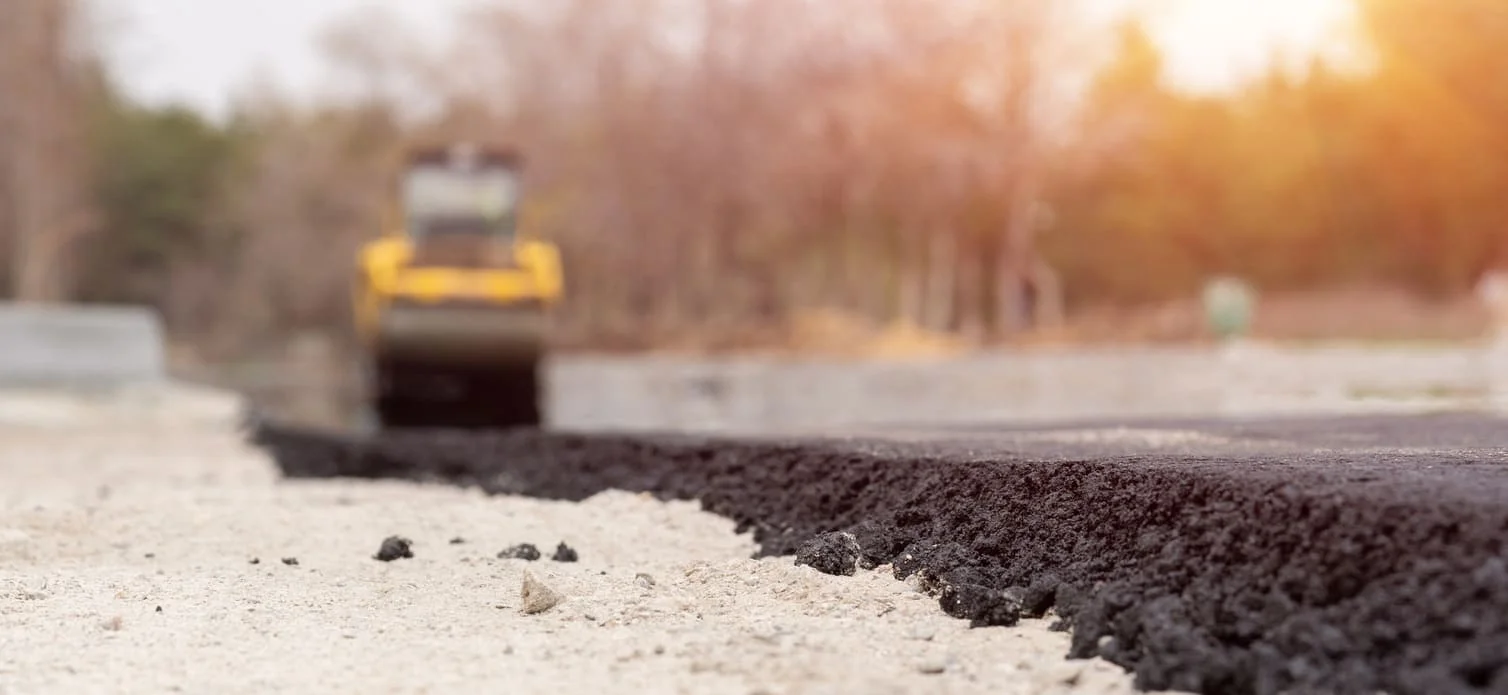
Property managers handle many responsibilities every day. One key area often gets overlooked until problems appear. Long-term asphalt paving preservation protects parking lots and driveways. It saves money and keeps properties safe and attractive.
Good practices include daily cleaning and timely repairs. They also cover smart budgeting and preventive steps. These actions extend pavement life significantly. Property managers who invest early avoid costly surprises later. They enjoy smoother operations and happier tenants too.
A reliable pavement maintenance company brings expert knowledge to your site. They assess conditions accurately and recommend tailored plans. Their guidance helps balance budgets with real needs. Many managers see strong returns when they follow professional advice.
Understanding Asphalt as a Long-Term Asset
Asphalt serves as more than a simple surface. It acts as vital infrastructure for commercial properties. Proper care treats it like a valuable asset. This approach supports daily traffic and protects overall property value.
Many view asphalt only as a top layer. Yet it includes several structural parts underneath. These layers work together to handle weight and weather. Weak spots in the base or poor drainage quickly cause trouble. Preventive maintenance keeps the whole system strong. Regular checks catch issues before they spread.
Commercial asphalt usually lasts 15 to 25 years with basic care. Heavy traffic or harsh weather can shorten that time. Consistent attention pushes lifespan toward 30 years or more. Early years show little wear. Oxidation starts around years three to seven. Cracks often appear after year seven. Major work becomes common in the past year 15. An effective asphalt maintenance schedule tracks these stages closely. It helps plan actions at the right moment.
Routine Care: Daily and Weekly Responsibilities
Long-term asphalt paving preservation begins with simple daily habits. Small efforts prevent big problems down the road. They maintain safety and keep surfaces looking professional.
- Sweep lots regularly to remove dirt and debris. These particles grind into the surface over time. Oil spills need quick cleanup too. They soften asphalt and speed up damage.
- Watch traffic patterns carefully each week. Heavy vehicles concentrate stress in certain areas. Set limits where possible to reduce wear.
- Control edges and nearby vegetation. Grass and roots push against pavement. They create openings for water. Trim growth promptly to protect boundaries.
These tasks take little time yet deliver lasting benefits. They form the foundation of solid pavement preservation.
Preventive Maintenance: The Key to Longevity
Prevention costs far less than major repairs later. It stops small issues from growing into expensive failures. Smart programs focus on protection before damage worsens.
Crack Sealing and Crack Filling
Cracks let water reach lower layers. They weaken the entire structure over time. Seal cracks twice each year especially in spring and fall. Hot rubber materials work best for moving cracks. They flex with temperature changes. Filling suits very small static cracks. Sealing provides longer protection overall. Early action here can add many years to pavement life.
Sealcoating Programs
Apply the first sealcoat six to twelve months after new paving. Then repeat every two to three years. This protective layer blocks UV rays and chemicals. It slows oxidation and improves skid resistance. Lots stay darker and more appealing too. Regular sealcoating programs often deliver excellent returns. They reduce future repair needs dramatically.
Line Striping and Surface Re-Organization
Fresh line striping improves safety and traffic flow. It meets ADA standards and reduces confusion. Reorganize layouts to spread vehicle weight evenly. High-wear zones get extra attention this way. These updates support preventive maintenance goals. They help pavement last longer under daily use.
Asphalt Repairs: When Maintenance Is No Longer Enough
Even the best care eventually needs repairs. Knowing when to act prevents total failure. Timely fixes limit damage and control costs.
Pothole Repair and Patching
Water and freeze-thaw cycles create potholes. Temporary cold mix offers quick relief. Yet full-depth patches address the root cause better. Fix drainage problems at the same time. This stops new holes from forming soon. Proper pothole repair restores smooth surfaces fast.
Alligator Cracking and Structural Failure
Alligator cracking looks like a web of connected lines. It signals fatigue from heavy loads or weak bases. Soft spots underneath often cause this pattern. Early patching helps in small areas. Widespread cracking may need deeper evaluation. Structural failure demands prompt attention to avoid safety risks.
Overlay vs Full Reconstruction
An asphalt overlay adds a fresh layer on top. It works well when the base stays sound. Costs run lower and disruption stays minimal. Full reconstruction removes everything and rebuilds from the ground up. Choose it only for severe base damage. Compare options using a Pavement Condition Index score. Overlays often extend life eight to twelve years. Reconstruction delivers longer results when needed.
Budgeting and Long-Term Planning for Property Managers
Smart budgeting turns asphalt into a predictable expense. It avoids sudden large bills that strain cash flow. Planning ahead supports steady property performance.
Maintenance Schedule Planning
Build a multi-year asphalt maintenance schedule. Include annual inspections and crack work twice yearly. Plan sealcoating on a regular cycle. Set aside one to three percent of the full replacement cost each year. This steady funding keeps pavement healthy without surprises.
Capital Expenditure Planning
Forecast resurfacing needs every ten to fifteen years. Create reserves for bigger projects. Phase work to limit tenant disruption. Good capital expenditure planning spreads costs evenly. It protects budgets and property values at once.
Avoiding Emergency Repair Costs
Reactive fixes always cost more in the end. Emergency work disrupts operations and raises liability risks. Proactive steps cut overall spending by a large margin. They prevent unsafe conditions that lead to claims. Consistent care delivers peace of mind for managers.
Common Mistakes Property Managers Should Avoid
Many managers unintentionally shorten pavement life. Simple changes help them avoid these frequent errors. Awareness leads to better decisions.
- Ignoring small cracks allows water to enter quickly. It leads to bigger cracks and potholes later. Address them right away for the best results.
- Delaying sealcoating exposes asphalt to the sun and chemicals. Oxidation speeds up without protection. Stick to a regular schedule instead.
- Overlooking surface drainage creates standing water. It weakens bases and accelerates damage. Improve slopes and clear drains regularly.
- Choosing low-cost short-term repairs seems cheaper initially. Yet they often fail soon and require repeats. Invest in quality methods for true savings.
Conclusion
Long-term asphalt paving preservation rewards consistent effort over many years. Treat pavement as infrastructure and follow routine care without delay. Add preventive steps and plan budgets wisely for the future. Avoid common mistakes that shorten life unexpectedly. These actions extend usability and protect investments effectively.
Managers gain safer lots and lower long-term costs this way. A trusted pavement maintenance company can help create a custom strategy that fits your property perfectly. Start building your plan today. You will enjoy reliable performance and stronger property values for decades ahead. Consistent action now prevents regret later.
FAQs
How often should commercial asphalt be inspected?
Inspect lots twice each year in spring and fall. Check after major storms too. Professional reviews once annually to catch hidden issues early. Document findings to track changes over time. This habit supports timely decisions and avoids surprises.
What is the most important maintenance task for asphalt preservation?
Crack sealing combined with regular sealcoating stands out clearly. These steps block water and slow oxidation effectively. They form the core of effective care for any lot. Skipping them leads to faster deterioration and higher costs overall.
Is sealcoating really necessary for long-term durability?
Yes, it protects against UV rays and chemicals year after year. Applied on schedule it can nearly double effective life in many cases. The investment pays back through fewer repairs and a better appearance. Most successful properties never skip this vital protective layer.
Disclaimer: This article contains sponsored marketing content. It is intended for promotional purposes and should not be considered as an endorsement or recommendation by our website. Readers are encouraged to conduct their own research and exercise their own judgment before making any decisions based on the information provided in this article.