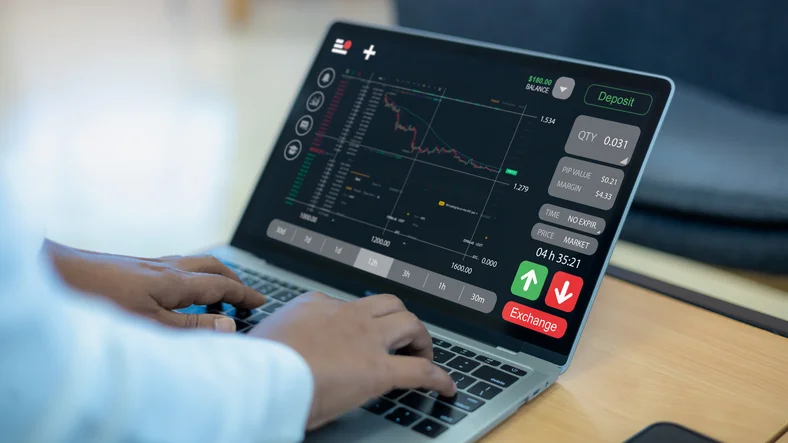
Currency trading has always fascinated those seeking financial independence. The allure of a market that operates around the clock, offering countless opportunities to profit from global economic movements, draws millions of aspiring traders each year.
But here is the uncomfortable truth most beginners discover too late.
The barrier to entry is not skill or knowledge. It is the capital. And risking your hard earned savings while still learning the ropes is a recipe for financial disaster.
Fortunately, the trading industry has evolved. New models now exist that allow skilled individuals to access substantial trading capital without risking personal funds. This shift has opened doors for talented traders who previously had no way to turn their abilities into a sustainable career.
Let us explore how this works and what it means for your trading journey.
Why Traditional Paths to Forex Trading Often Fail
The conventional approach to becoming a currency trader follows a predictable pattern. Save money, open a brokerage account, deposit funds, and start trading. Simple enough in theory.
In practice, this path is littered with obstacles.
Most beginners underestimate the capital requirements. Trading a $1,000 account with proper risk management means risking perhaps $10 to $20 per trade. Even with a solid win rate, profits accumulate slowly. The temptation to overtrade or take excessive risks becomes overwhelming.
Emotional decision making takes over.
When you watch your rent money fluctuate with every price movement, rational analysis goes out the window. Fear and greed dominate. Strategies get abandoned at the worst possible moments. The account bleeds out slowly or blows up spectacularly.
Statistics paint a grim picture. The vast majority of retail traders lose money. But this is not necessarily because trading itself is impossible. Many fail because they are undercapitalized and emotionally compromised from the start.
The solution is not to trade better while underfunded. It is to access adequate capital without the personal financial risk.
Understanding How Funded Trading Programs Work
The funded trading model flips the traditional approach on its head.
Instead of traders providing capital, firms provide it. In exchange, traders demonstrate their skills through evaluation processes and share a portion of their profits once funded.
This arrangement makes sense for everyone involved.
Firms gain access to a diverse pool of trading talent without hiring full time employees. They can scale operations by backing multiple traders across different strategies and timeframes. Risk is distributed and managed through strict parameters.
Traders gain access to significant capital, sometimes hundreds of thousands of dollars. They keep the majority of profits generated. And critically, they do not risk personal savings in the process.
The evaluation typically involves trading a simulated account under specific rules. Profit targets must be reached while staying within drawdown limits. These rules are not arbitrary obstacles. They identify traders capable of consistent, disciplined performance.
Those who pass demonstrate exactly what firms want to see: profitability combined with proper risk management.

What Makes Currency Trading Unique Among Financial Markets
The foreign exchange market stands apart from other trading arenas in several important ways.
Liquidity is unmatched. Trillions of dollars change hands daily. This means traders can enter and exit positions with minimal slippage, even with substantial size. For funded traders managing larger accounts, this liquidity is essential.
The market operates continuously from Sunday evening through Friday afternoon. This flexibility accommodates traders regardless of their schedule or time zone. You can trade before work, after dinner, or during lunch breaks.
Leverage amplifies both opportunities and risks.
Currency pairs typically move in small increments. Leverage allows traders to control larger positions with less capital. Used responsibly, this magnifies returns on successful trades. Used recklessly, it accelerates losses.
This is precisely why working with a reputable Forex prop firm like Hola Prime makes sense for serious traders. These firms provide the capital while enforcing risk parameters that protect both parties. Traders can utilize reasonable leverage without the catastrophic downside of overleveraging personal funds.
The variety of currency pairs offers something for every trading style. Major pairs like EUR/USD provide tight spreads and predictable behavior. Exotic pairs offer greater volatility for those seeking larger moves. Cross pairs present unique opportunities based on regional economic factors.
Developing Skills That Actually Matter in Currency Trading
Many aspiring traders focus on the wrong things.
They hunt for the perfect indicator combination. They seek out secret strategies promising guaranteed profits. They spend more time looking for shortcuts than developing genuine competence.
Here is what actually matters.
Understanding price action forms the foundation. Charts tell a story about supply and demand, fear and greed, accumulation and distribution. Learning to read this story takes time but pays dividends forever.
Risk management separates survivors from casualties.
Position sizing, stop loss placement, and maximum daily loss limits are not glamorous topics. But they determine whether you stay in the game long enough for your edge to play out. Even the best strategy fails if one bad trade wipes out months of gains.
Developing a trading plan provides structure and accountability. Your plan should define what setups you trade, when you trade them, how much you risk, and when you walk away. Without this framework, every decision becomes an emotional judgment call.
Journaling accelerates improvement dramatically.
Recording your trades, including your reasoning and emotional state, reveals patterns invisible in the moment. You might discover that your best setups occur at specific times. Or that losses cluster after winning streaks when overconfidence creeps in.
The Psychology Behind Consistent Trading Performance
Technical skills get you in the door. Psychology determines whether you stay.
The market will test every emotional weakness you possess. It will punish impatience, reward discipline inconsistently, and trigger fear at precisely the wrong moments. Understanding your psychological tendencies is not optional.
Losses are inevitable.
Even excellent traders lose regularly. A 60% win rate means losing four out of every ten trades. How you handle these losses, whether you accept them calmly or chase revenge trades, defines your trajectory.
Winning creates its own problems.
Overconfidence after a hot streak leads to larger positions, relaxed rules, and eventually a humbling correction. The market has a way of teaching expensive lessons to those who forget that past performance guarantees nothing.
Developing emotional resilience requires deliberate practice.
Meditation helps some traders. Physical exercise provides an outlet for others. Taking breaks during volatile periods prevents burnout. Finding what works for you takes experimentation.
Trading communities offer valuable support.
Connecting with others who understand the unique challenges of trading provides perspective during difficult stretches. Mentorship from experienced traders can shortcut years of painful learning. Many funded programs now include community features and educational resources.
Working with a quality Forex prop firm often includes access to such resources. Beyond just capital, the best programs provide tools and support systems that help traders develop the mental game necessary for long term success.
Building a Sustainable Approach to Currency Trading
Sustainability requires thinking beyond individual trades.
Your goal is not to win today or this week. It is to remain profitable over months and years. This long term perspective changes how you approach every decision.
Consistency trumps occasional brilliance.
A trader who makes 2% monthly like clockwork will outperform someone who alternates between 20% gains and 15% losses. The mathematics of compounding favors steady, reliable returns over volatile swings.
Protecting capital during drawdowns preserves your ability to profit later.
When things are not working, reducing position size or stepping back entirely demonstrates maturity. The market will still be there tomorrow. Your capital might not be if you force trades during unfavorable conditions.
Diversification within trading can smooth returns.
This might mean trading multiple currency pairs with different characteristics. Or employing strategies suited to different market conditions. When one approach struggles, another might thrive.
Setting realistic expectations prevents disappointment and dangerous decisions.
Trading is not a get rich quick scheme. Consistent monthly returns in the single digits are excellent by professional standards. Anyone promising easy double digit monthly gains is selling fantasy.
Choosing the Right Path for Your Trading Career
Multiple options exist for traders seeking funded capital. Not all are created equal.
Reputation matters enormously in this industry.
Established firms with track records of prompt payouts and fair treatment deserve preference. Newer entrants making extraordinary promises should face scrutiny. Trader communities provide honest feedback about actual experiences.
Evaluation structures vary significantly.
Some programs require aggressive profit targets in short timeframes. Others allow more gradual progress with lenient rules. Your trading style should match the program parameters. Forcing a mismatch creates unnecessary pressure.
Payout reliability cannot be overlooked.
The entire point of funded trading is receiving your share of profits. Firms with slow or inconsistent payout processes undermine this fundamental value proposition. Research actual trader experiences before committing.
A quality Forex prop firm provides transparency about rules, responsive support when questions arise, and reliable profit distribution. The relationship should feel like a partnership where both parties benefit from trader success.
Cost structures require careful evaluation.
Evaluation fees, monthly charges, and profit splits all affect your actual earnings. Calculate the true cost of participation and compare across options. The cheapest program is not automatically the best value.
Taking the First Steps Toward Funded Trading
Starting your journey requires honest self assessment.
Are your trading skills actually ready for evaluation? Rushing into programs before achieving consistency wastes money and damages confidence. Practice until your results demonstrate genuine edge.
Choose one or two strategies and master them completely.
Jumping between approaches prevents the deep understanding necessary for consistent execution. Specialization beats diversification when building foundational skills.
Paper trade under evaluation rules before risking fees.
Many programs publish their requirements. Simulate the experience with a demo account. Track whether you would pass. Identify weaknesses before they cost real money.
Prepare mentally for the evaluation process.
The pressure of trading toward specific targets within time limits affects performance. Practice managing this pressure. Develop routines that keep you centered when stakes feel high.
Start with program sizes that match your current abilities.
Smaller accounts with proportionally smaller targets often suit developing traders better than jumping straight to maximum funding. Build confidence and track record before scaling up.
The Future Belongs to Prepared Traders
Currency trading offers genuine opportunity for those willing to develop real skills and approach the market with discipline.
The capital access problem that blocked previous generations of traders has been solved. Funded programs provide the resources while traders provide the talent. This partnership model benefits everyone involved.
Success still requires effort.
No program eliminates the need for education, practice, and psychological development. But removing the capital barrier allows talented individuals to focus entirely on becoming better traders rather than worrying about account size.
The path is clear for those ready to walk it.
Develop your skills systematically. Master risk management thoroughly. Build psychological resilience deliberately. And when you are ready, leverage funded trading opportunities to turn your abilities into sustainable income.
The market rewards preparation. It punishes shortcuts. Those who understand this distinction position themselves for long term success in one of the world’s most dynamic financial arenas.
Disclaimer: This article contains sponsored marketing content. It is intended for promotional purposes and should not be considered as an endorsement or recommendation by our website. Readers are encouraged to conduct their own research and exercise their own judgment before making any decisions based on the information provided in this article.