Heating systems are changing quickly. What used to be simple mechanical equipment is now becoming part of a connected, data-driven home environment. Modern HVAC technology can analyze indoor conditions, learn how a home heats and cools, and adjust performance automatically to maintain comfort and efficiency.
While routine furnace maintenance is still essential for keeping equipment running safely and efficiently, the way heating systems operate is evolving. Today’s systems rely less on basic on-and-off cycles and more on digital controls, sensors, and intelligent automation that continuously fine-tune how heat is delivered throughout the home.
Why Heating Is Becoming A Digital Heating System
Traditional heating systems operate like a light switch. A thermostat measures temperature, closing a small electrical control circuit when heating is needed, and the heating equipment runs until the target temperature is reached. The system reacts to a single thermostat reading and shuts off when the temperature rises.
Digital heating works differently. Instead of relying on a single temperature trigger, modern systems constantly gather data and adjust themselves in real time. This shift is what defines a modern digital heating system.
Modern heating equipment can monitor factors such as indoor temperature changes in different rooms, humidity levels, outdoor weather conditions, how quickly the home warms or cools, and when people are typically home. Sensors collect information about indoor conditions, equipment performance, electrical power usage from the home’s electrical panel, and sometimes even outdoor weather data.
Because the system understands how the house behaves, it can make small adjustments rather than running full power cycles. Instead of waiting for a room to drop two degrees before turning the furnace on at full power, a digitally controlled system may slightly increase airflow or adjust burner output to prevent the temperature drop from happening in the first place.
This allows the system to manage heating like a feedback loop rather than a simple on/off cycle. Heating becomes more predictive and precise instead of purely reactive, which is a key feature of smart heating technology.
In practical terms, a digital heating system turns the HVAC system from a simple machine into a climate management platform that continuously fine-tunes comfort and efficiency. In other words, heating is shifting from reactive mechanical control to predictive digital control and intelligent climate control.
What Is Smart HVAC System
A smart HVAC system is a heating and cooling system that can monitor conditions, make automatic adjustments, and communicate with other devices through a network connection.
A traditional system typically works like this: the thermostat reads the temperature. If the temperature drops below the set point, the furnace turns on. When the target temperature is reached, the system shuts off.
The biggest difference between a smart HVAC system and a traditional one is how decisions are made. Traditional systems follow simple rules: if temperature drops, heating starts; if temperature rises, heating stops.
A smart system adds several layers of intelligence. It may include connected thermostats, occupancy sensors, smart vents or zoning controls, mobile app integration, and learning algorithms that adapt to usage patterns. Many of these technologies form the foundation of modern smart heating systems.
A smart HVAC system also uses a much larger set of inputs to determine how the system should operate. These may include how quickly the home loses heat, which rooms warm up faster than others, when occupants are usually home, outdoor temperature trends, and humidity levels inside the house.
Because the system tracks these patterns, it can run equipment more strategically. Instead of heating the entire house evenly all the time or cycling the furnace on and off throughout the day, the system may maintain a steadier heat output, direct heating to the spaces that need it most, or adjust airflow between rooms.
The result is a system that manages comfort patterns, not just temperature settings. This approach is central to smart heating, where the system continuously analyzes conditions and adjusts automatically. The difference is similar to cruise control versus adaptive cruise control in a car: traditional systems maintain a set temperature, while smart heating systems analyze conditions and adapt automatically to keep the home comfortable with less energy waste.
How A Direct Digital Control System For HVAC Works
Direct Digital Control (DDC) systems act as the brain of modern HVAC equipment. A direct digital control system for HVAC replaces many mechanical switches with digital processors that can monitor and coordinate system performance.
Rather than relying on mechanical switches and simple thermostats, a direct digital control system for HVAC uses microprocessors and sensors to monitor system performance and environmental conditions throughout the building.
In older equipment, each component worked mostly independently. The thermostat controlled heating cycles, fan relays controlled airflow, and safety switches monitored system limits. A direct digital control system for HVAC integrates these functions into a single digital platform.
The controller receives data from multiple sensors and coordinates how HVAC components respond. Instead of simply turning equipment on or off, the system can regulate fan speeds, heating output, airflow distribution, humidity control, system scheduling, burner or compressor output levels, and temperature setpoints across zones.
Because these components are digitally managed and controlled through one system, the HVAC equipment can coordinate operations far more precisely than mechanical controls. Instead of simply turning a furnace on or off, the system can gradually increase heating output, adjust airflow to specific zones, and balance comfort with energy efficiency in real time.
Because all components are managed through one control system, the HVAC system operates more like a coordinated network than a collection of separate mechanical parts. This level of coordination allows a digital heating system to operate with greater precision and efficiency.
How Smart Heating Systems Control Indoor Climate
Smart heating systems rely on networks of sensors and software that analyze conditions throughout the home. Sensors distributed throughout the home measure environmental conditions such as room temperature, humidity, occupancy, airflow, and sometimes outdoor weather data or forecasts.
These smart heating systems create a continuous feedback loop between sensors, software, and HVAC equipment. The system software analyzes how these variables affect indoor comfort and builds a model of how the home responds to heating.
For example, the system may learn that the living room warms quickly in the afternoon due to sunlight, bedrooms cool down faster overnight, upper floors lose heat more quickly, or certain areas need more airflow to maintain comfort.
Using this information, the HVAC equipment makes small operational changes rather than waiting for large temperature swings to occur. Instead of running the system on fixed schedules, the system adjusts automatically based on patterns and current conditions.
This type of smart heating behavior allows the system to respond dynamically to both indoor and outdoor changes. If outdoor temperatures suddenly drop or more people are home than usual, the system adapts. If rooms are unoccupied, heating output can be reduced in those areas.
These adjustments may include redirecting airflow to colder zones, slowing fan speed to stabilize temperature, or starting heating cycles earlier on colder mornings. Over time, this process supports more effective intelligent climate control throughout the home.
How Smart Vents Work With Central HVAC Systems
Smart vents are motorized air vents that open and close automatically to control how air moves through a home’s ductwork.
In a traditional system, every vent remains open and the HVAC system distributes air evenly throughout the house, regardless of whether those rooms actually need heating. This often leads to common problems like overheated rooms, cold spots, and wasted heating in unused spaces.
Smart vents act as adjustable airflow regulators within the duct system and change that distribution dynamically. Each vent contains a small motor that opens or closes based on commands from a central controller, room sensor, or smart thermostat.
When a room reaches its target temperature, the vent partially closes to reduce airflow to that space. This redirects heated air toward areas that still need it, supporting more precise intelligent climate control.
For example, a home office may receive more heat during the day, bedrooms may receive more airflow at night, and unused rooms may receive minimal heating.
By adjusting airflow dynamically, smart vents help the HVAC system deliver heating where it’s actually needed rather than heating the entire home equally. When implemented correctly, they can effectively create a room-level zoning system without major duct modifications.
However, properly designed smart vent systems must also monitor duct pressure. If too many vents close at once, airflow resistance can increase and potentially strain the HVAC blower. Advanced systems prevent this by limiting how many vents close simultaneously, adjusting fan speed, and maintaining safe airflow levels within a digital heating system.
Do Smart Thermostats Work With Any HVAC System
Most smart thermostats are compatible with a wide range of HVAC systems, but not every system supports them. Compatibility depends on several factors, including wiring configuration (such as the presence of a common wire), the type of heating system installed, and whether the system uses single-stage or multi-stage heating.
Smart thermostats are widely compatible with modern HVAC equipment, but compatibility ultimately depends on how the existing system is wired and controlled.
Common systems that usually work with smart thermostats include gas furnaces, heat pumps, central air systems, electric forced-air heating, and multi-stage heating systems. These systems often support smart heating upgrades without major equipment changes.
Older systems can sometimes create challenges, especially if they use proprietary control boards or limited wiring between the thermostat and the HVAC unit. In these cases, installers may need to add wiring, install adapters, or select thermostats specifically designed for older equipment.
Before installing a smart thermostat, it’s important to check compatibility with the existing HVAC equipment or consult an HVAC technician who can verify the wiring and control setup. The key point is that smart thermostats do not replace the HVAC system itself—they upgrade the control layer that allows smart heating systems to operate more efficiently.
How New HVAC Systems Support Smart Home Automation
Many modern HVAC systems are designed to integrate directly with home automation platforms, allowing heating and cooling equipment to communicate with other connected devices such as smart thermostats, voice assistants, occupancy sensors, automated blinds, and smart lighting systems.
Modern HVAC equipment is increasingly designed to function as part of a broader connected home environment. Instead of operating independently, the heating system can exchange information with other smart devices and automation platforms.
This integration allows heating systems to participate in broader intelligent climate control strategies within the home.
If everyone leaves the house, the system can enter an energy-saving mode. When someone returns, the system can begin warming the home before they even walk through the door. A home automation system can also coordinate other actions, such as lowering heating output when the house is empty, increasing heating before occupants return, or adjusting temperature settings at night.
Some advanced systems also integrate weather forecasts, energy pricing signals, or utility demand data, allowing heating schedules and performance to adapt to external conditions and further optimize smart heating performance.
How Intelligent Climate Control Improves Comfort And Efficiency
Digital heating systems offer several advantages that go beyond simple temperature control.
One major benefit is more consistent comfort. Traditional HVAC systems tend to create noticeable temperature swings: a room cools down, the furnace turns on, the temperature overshoots slightly, and the cycle repeats.
Modern digital heating systems smooth out this pattern by making smaller, more frequent adjustments, which helps maintain a steadier indoor climate throughout the day.
Another advantage is improved energy efficiency. By directing heating only where it is needed and reducing output when possible, smart heating systems can lower overall energy consumption.
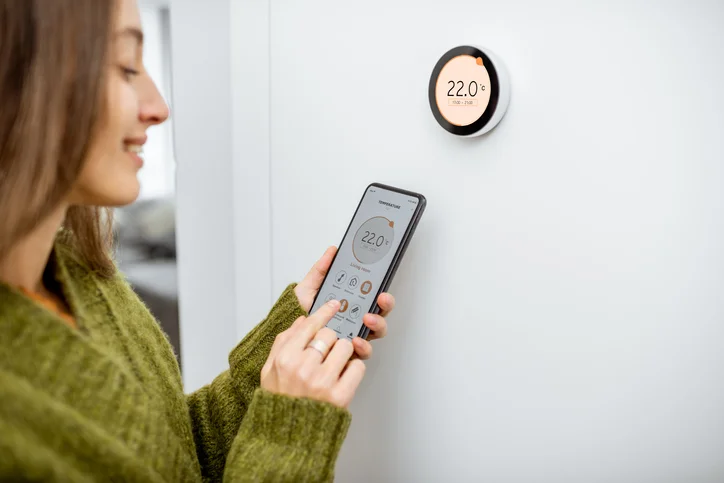
Homeowners also gain greater visibility and control. Many smart HVAC systems provide data through mobile apps, allowing users to monitor system performance, track energy usage, receive maintenance alerts, and adjust temperatures remotely.
Finally, digital control helps HVAC systems operate more efficiently over time. By preventing extreme operating cycles, optimizing how often equipment runs, and managing airflow more effectively, the system can reduce stress on HVAC components and potentially extend the lifespan of heating equipment.
In short, intelligent climate control transforms heating from a basic utility into a responsive system designed to balance comfort, efficiency, and convenience within a modern digital heating system.