By Megan Chiu
In the mountains of northern Taiwan, the Tayal Millet Ark is bringing traditional millet varieties—and the knowledge surrounding them—back into cultivation. Its story offers an unexpected lens through which leaders can reconsider resilience, diversity and knowledge management in the age of AI.
Editor’s Note: Next Generation Perspectives is a new editorial feature from The European Business Review, created to bring younger voices into the conversation about the future of business. Alongside our Gen Z series, we are commissioning articles from young reporters and emerging writers, giving them a platform to explore the issues shaping business, leadership and society through the perspective of their generation. Through original research, interviews and first-hand experiences, these contributors offer a different lens on the changes taking place today—and what they may mean for the generation that will inherit, navigate and ultimately help shape the future of business.
High up in the mountains of Hsinchu, northern Taiwan, an elder named Pagung Tomi bends over a field of millet. The plants are not uniform. They are messy and stubbornly diverse – some tall, some short, some still seeding. To an outsider, her millet field might look like an old-fashioned farm still stuck on tradition. However, through these unassuming millets, Pagung teaches us all an unexpected lesson in resilience for organizations navigating an increasingly uncertain world.
Pagung is one of the pioneers behind the Millet Ark, a community initiative by the Indigenous Tayal tribe to revive dozens of traditional millet varieties, along with the rituals, stories, and relationships that keep them alive. In today’s fast-paced world obsessed with efficiency, standardization, and AI optimization, the Millet Ark seems to play a counterintuitive role. And yet, it holds some of the lessons today’s leaders and organizations could learn about resilience, knowledge, diversity, and adaptability.
Asset vs. System – Are Leaders Preserving Their Assets or Preserving the System?
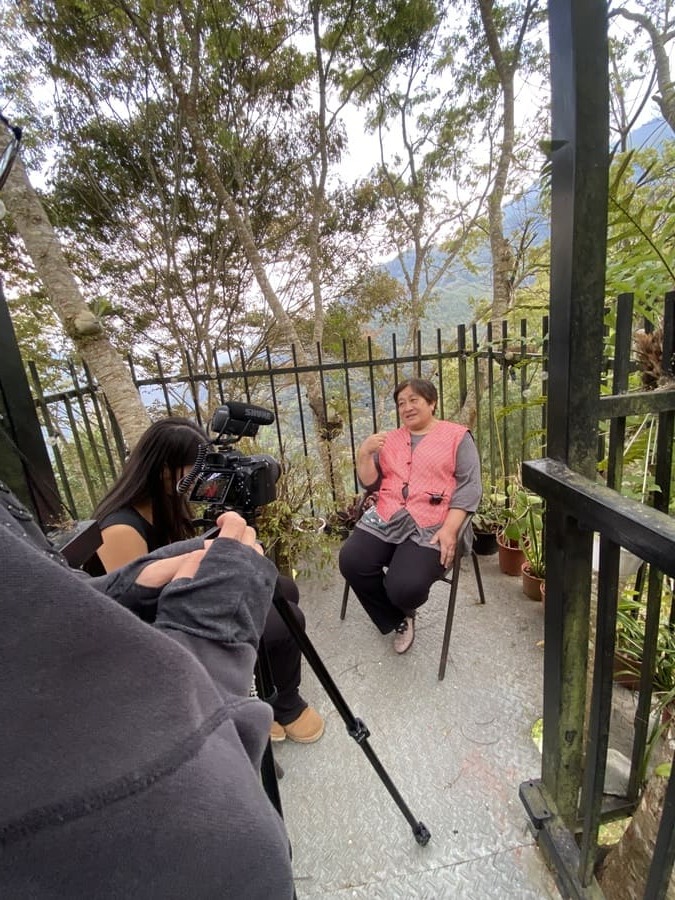
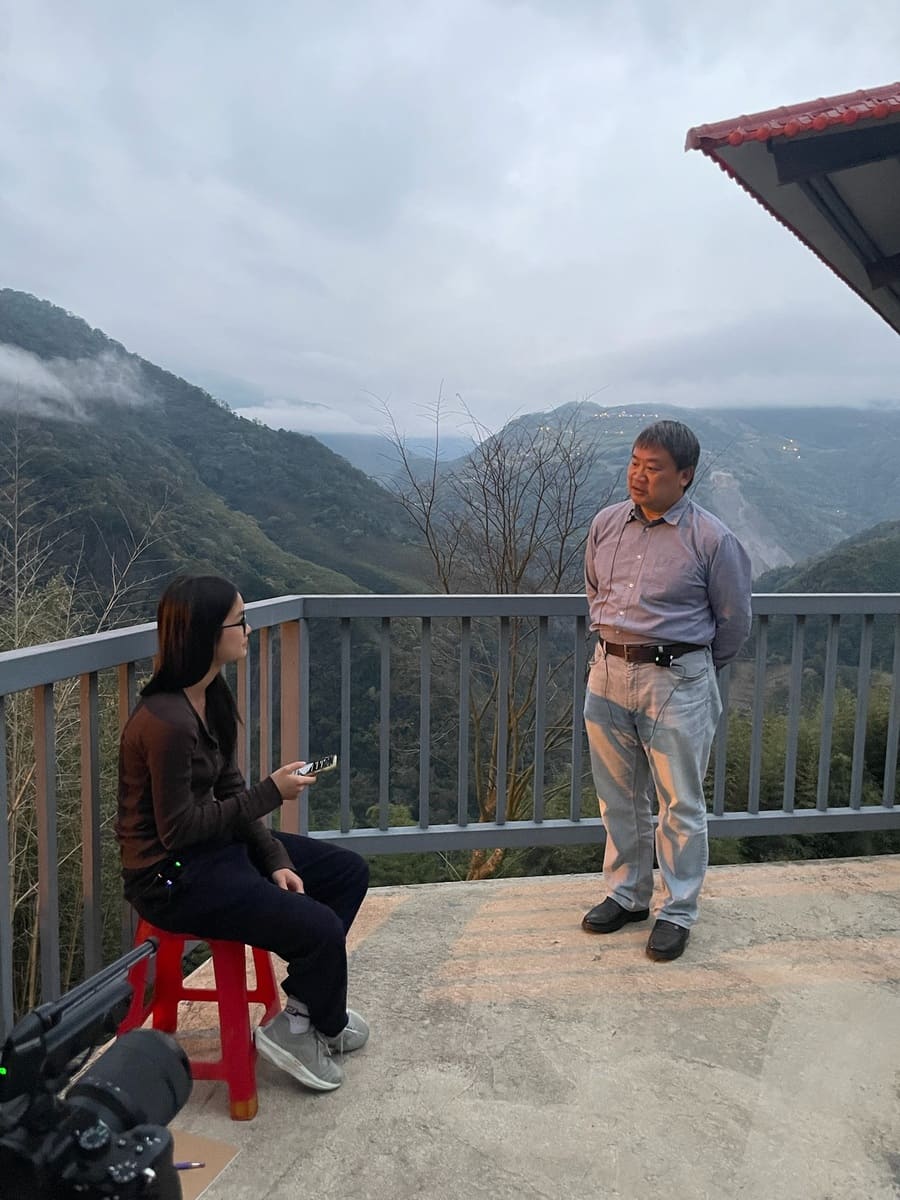
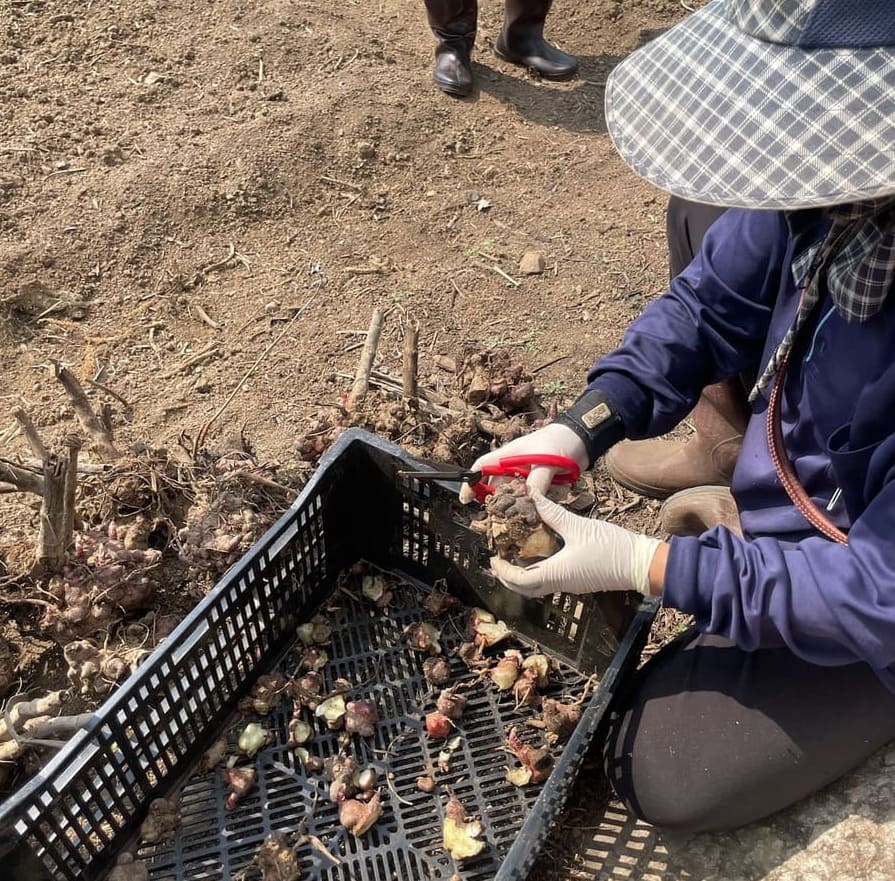
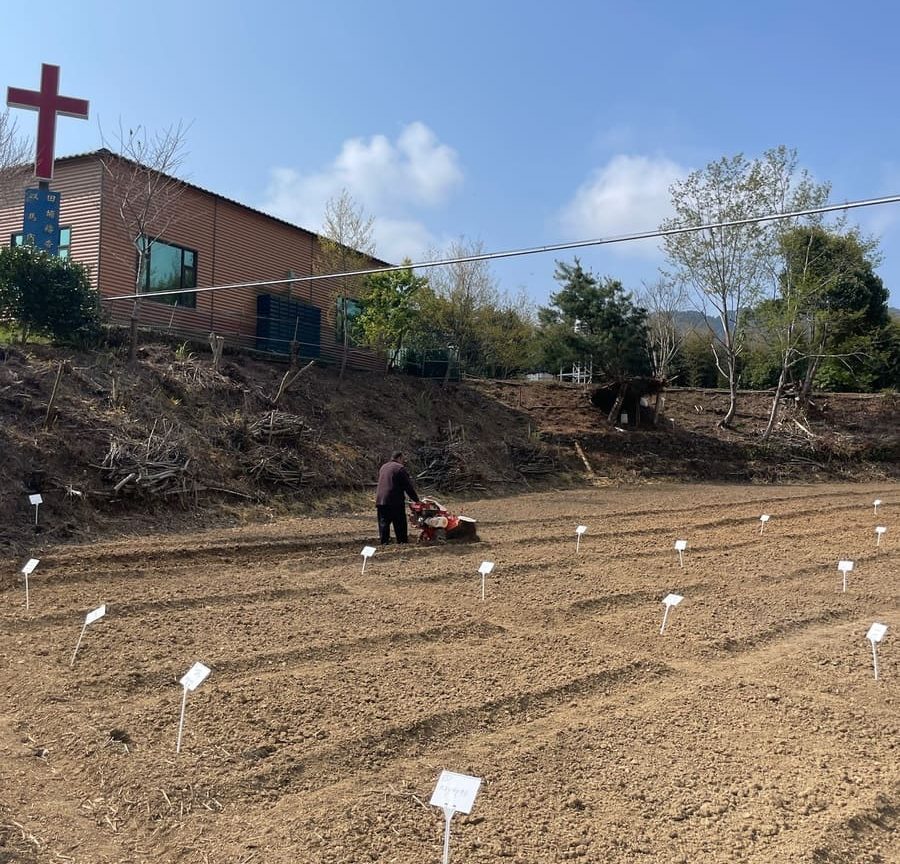
As a high school student fascinated by this initiative, I travelled to Hsinchu and got the opportunity to personally visit Pagung’s fields and interview the two main pioneers of the initiative: Tayal elder Pagung and Tayal professor Dr. Yih-Reh Lin. In a conversation, Dr. Lin mentioned the Taiwanese government’s top-down seed preservation approach, which involves collecting seeds in refrigerators and seed banks. On the other hand, the Millet Ark approach emphasizes growing millet in the fields – the indigenous way of preserving cultural biodiversity.
Both approaches seek preservation, but they reveal two very different ways of thinking about what preservation actually means. One preserves the asset. The other attempts to preserve the system surrounding the asset.
This distinction raises an interesting question: Are companies sometimes too focused on protecting their assets rather than maintaining the systems that allow those assets to evolve?
The Millet Ark suggests that true resilience comes from keeping systems active and building a culture that can generate new assets when old ones fail.
Businesses spend considerable resources documenting processes and establishing standard operating procedures. All of these serve important purposes. But organizational resilience also depends on whether people continue to experiment, transfer knowledge, develop new capabilities and adapt existing ones when circumstances change.
The Millet Ark suggests that true resilience comes from keeping systems active and building a culture that can generate new assets when old ones fail, just like how Pagung practices resilience through the active cultivation of her millets.
Knowledge Management – What Happens When Knowledge Is Stored but Not Practiced?
We live in an age of unprecedented access to knowledge-management tools. Large language models and cloud-based databases make it easier than ever to store, retrieve, and generate information. It is tempting to assume that preserving information is the same as preserving knowledge. But does storing information necessarily mean preserving knowledge? The Millet Ark challenges that assumption by showing that knowledge does not simply reside in what is preserved, but also in how it is practiced, shared, and passed on.
This becomes particularly clear in the cultivation of millet. When Pagung taught me how to properly plant millet, she also told me about the “intangible heritage” that comes with the planting process. This includes preserving the Tayal language through millet vocabulary, the rituals associated with planting and harvesting, and the intergenerational knowledge required to process millet. These elements highlight how knowledge isn’t just data points, but instead is embedded into practice and culture.
The Millet Ark therefore raises a question that companies may increasingly have to confront as AI becomes embedded in knowledge management: What may be lost when knowledge is separated from the people, relationships and context in which it is practiced?
Technology can play an enormously valuable role in capturing and distributing information. But the Tayal experience suggests that organizations should be careful not to confuse information storage with knowledge continuity.
Just as millet knowledge survives partly because people continue to plant, harvest, teach, and learn together, organizational knowledge may also depend on active participation, mentorship, and lived experience.
Diversity – How Can Diversity Help Organizations Adapt When Conditions Change?
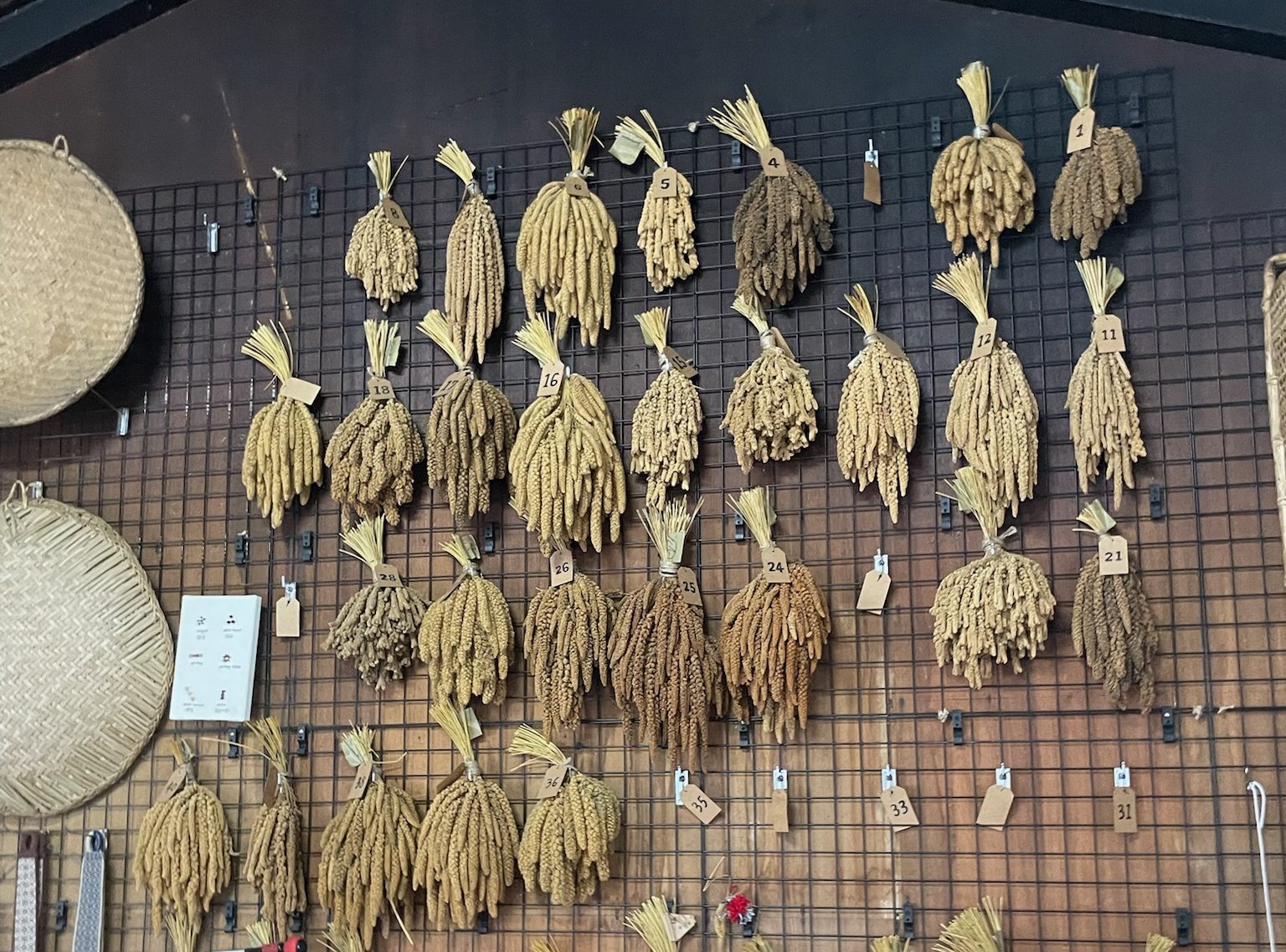
Walking through the Millet Ark field, you don’t see rows upon rows of identical plants; instead, you see many varieties, each with different characteristics. Some tolerate drought. Some are pest-resistant. Some taste better. Some allow for fermentation of the meat. A main reason the initiative thrives is its rich biodiversity, with different millet strains adapted to varying conditions.
Pagung told me, “When one variety struggles, others carry the load.”
It is a powerful description of resilience.
The underlying principles of biodiversity and business diversification run parallel: systems that contain different capabilities and responses may have more options when conditions change.
Taking supply chains for example. An organization dependent on a single supplier may operate extremely efficiently when conditions are stable. But that concentration can also create a single point of failure. Building alternative suppliers provides valuable options when disruption occurs.
There is also a human dimension.
Having people in your team who are different in skills, backgrounds, cultures, and cognitive styles can bring different perspectives; organizations that can draw effectively on different perspectives may have a wider range of responses when familiar solutions stop working.
This is where the Millet Ark provides a particularly useful metaphor.
Monocultures can offer considerable efficiency under predictable conditions. But a lack of diversity can also create vulnerability when the environment changes. Diversity, by contrast, can create options. And in an uncertain environment, optionality itself can be a source of resilience.
Keeping Knowledge Alive
The story of the Millet Ark is more than one of agricultural and cultural preservation. It offers a useful lens through which to reconsider what resilience means in a world of constant change.
Many leaders approach corporate resilience by strengthening and protecting existing systems. Yet, as Pagung and Dr. Lin have demonstrated through their ecosystem of the Millet Ark, resilience may also depend on maintaining the conditions that allow knowledge and capabilities to remain alive.
Resilience may also depend on maintaining the conditions that allow knowledge and capabilities to remain alive.
The contrast between the two approaches to seed preservation brings this distinction into focus. Refrigerated storage can ensure seeds survive, but it removes them from the living environment where they continue to grow, respond to changing conditions, and evolve. The Millet Ark, by contrast, keeps the seeds in cultivation—and, in doing so, keeps alive the knowledge, practices, and relationships surrounding them.
The same principle applies to resilience more broadly. Organizations that maintain diverse perspectives, encourage knowledge exchange, and remain flexible enough to adapt when established approaches no longer work may be better equipped to navigate uncertainty.
The Millet Ark initiative ultimately teaches us a crucial lesson on leadership and management. Whether you’re navigating a multinational corporation, a startup, or a local nonprofit, Pagung’s message is clear: keep your knowledge alive in the hands of your people and cultivate a culture rich enough to weather whatever tomorrow brings.