“Disruption” is everywhere in today’s business vocabulary, but it often gets misused. This essay explains what real disruption means, where the concept comes from, and how it works in the real world. You’ll learn to tell the difference between a buzzword and a force that actually changes industries from the ground up.
You keep hearing that a new product or company is “disruptive,” as if it’s a badge of honor. But what does that really mean for you, the customer, the worker, or the entrepreneur? Disruption is not just a cooler word for innovation. It describes a very specific process where an upstart business enters a market, usually by offering simpler or cheaper alternatives, and eventually overtakes established giants. It does not always look groundbreaking at first. In fact, true disruptors are often underestimated. But over time, they reshape how we live, work, or spend. Understanding disruption can help you make better choices, whether you’re building a company or trying to anticipate the next wave of change.
What Disruption Actually Means
Disruption refers to a process where a new business enters a market with a different approach, often targeting people who are overlooked by major players. This newcomer starts small, but over time, its model proves so effective that it pulls customers away from established companies.
The idea came from Harvard professor Clayton Christensen. He noticed that successful companies were often blindsided by new entrants who were not necessarily better in quality but better suited to the needs of a different or emerging market. Over time, these new companies grew and eventually challenged or even replaced the old leaders.
An example is Airbnb. It did not initially compete with hotels directly. Instead, it offered casual stays in private homes, appealing to travelers who wanted something cheaper or more personal. Today, it competes with global hotel chains and has redefined travel lodging altogether.
Disruption Versus Innovation
Disruption is often confused with innovation. While all disruption involves innovation, not all innovation leads to disruption. Innovation means creating or improving something. It could be a faster app, a better battery, or a cooler feature on a phone. These are improvements within the existing system.
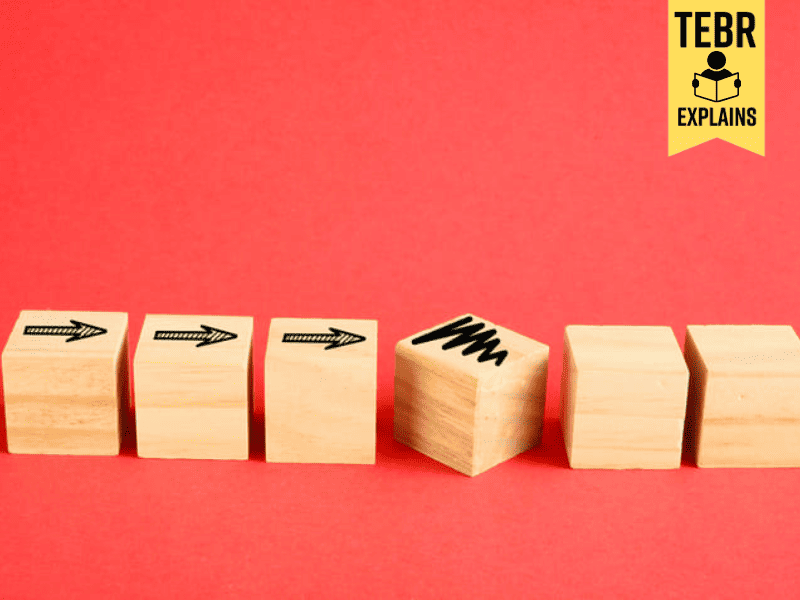
Disruption, on the other hand, changes the system itself. It creates a new way of doing things that makes the old way less relevant. Innovation might enhance what we already know. Disruption replaces it.
Take smartphones as an example. Adding facial recognition is innovation. Replacing phones with wearable tech that eliminates the need for screens entirely? That would be disruptive.
Common Traits of Disruptive Companies
To spot true disruptors, look for these patterns:
- They start small: Disruptors often begin by serving people who cannot afford or do not want mainstream products.
- They are initially dismissed: Big companies often overlook them, thinking they are too basic or niche.
- They grow quietly: As the product improves, more people adopt it until it becomes mainstream.
- They change customer expectations: Eventually, the market no longer accepts the old model as the norm.
One clear example is Netflix. It started by mailing DVDs to people who wanted a simpler alternative to video stores. Blockbuster did not take it seriously. Years later, Netflix dominates streaming, and Blockbuster is gone.
Why Large Companies Struggle with Disruption
Many big companies are well-resourced and highly experienced. So why do they often fail to respond to disruption? The answer lies in their habits and priorities. They are usually focused on serving their most profitable customers. This makes sense in the short term, but it blinds them to emerging needs from other segments.
They are also structured around systems that are hard to change. Trying to adopt a disruptive model may feel like cannibalizing their existing profits. As a result, they stick to what they know, even as the ground beneath them shifts.
Kodak is a good example. It invented digital photography but chose to focus on film to protect its revenue. That decision eventually cost the company its future.
The Impact of Disruption on People
Disruption has real consequences beyond profits. While it can bring better products and lower prices, it can also cause job losses and economic displacement. Traditional businesses may close, and workers can be left without the skills or support to transition to new roles.
Streaming services, for instance, disrupted cable television and changed how we consume media. But they also reduced the need for traditional broadcasting jobs and reshaped the entire industry in ways that left many behind.
That is why it’s important to think about disruption with balance. It can be positive, but its impact should be considered carefully, especially when it affects communities and workers.
Is Disruption Always a Good Thing?
Not necessarily. While disruption can lead to better access and more efficient services, it can also cause instability. In some cases, companies call themselves disruptive simply to gain attention, even when they are just offering a slightly different version of an old idea.
The goal should not be to disrupt for disruption’s sake. It should be to solve real problems in a way that benefits more people. A true disruptor challenges outdated systems and brings lasting change, not just noise.
Conclusion
Disruption is more than just a trendy business term. It describes a specific process where a small or overlooked player grows by meeting the needs that others ignore, and eventually changes the entire market. Understanding what disruption really means can help you make smarter decisions — whether you’re running a business, choosing where to invest, or thinking about your career.
Not every innovation is disruptive, and not every disruption is positive. But the ones that truly shift the landscape often start with a simple idea: serve the people who are not being served. From Netflix to Airbnb to Google Docs, the biggest changes often begin small. Recognizing that pattern is not just useful — it is essential in a world that keeps moving fast.