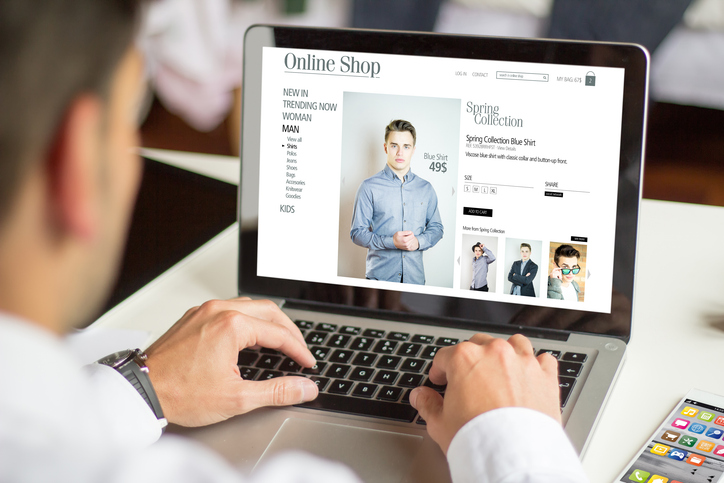
Every company today understands that personalization is one of the best ways to get attention, generate engagement, and make every action have relevance. As technology advances and customer requirements change, customization is evolving quickly. Personalization has become more predictive, rather than providing recommendations and targeted promotions.
Organizations must change with the evolving technologies and trends in order to provide such an experience. Artificial intelligence, real-time data, and privacy-first strategies will define the future of personalized shopping experiences, and organizations adopting them early can gain a competitive advantage.
Significance of Personalized Customer Experience
Personalization is not only about boosting customer interaction; it is the core of an effective digital plan. Companies that ignore personalized customer experience risk losing both their edge and their income. Here’s how personalization can impact a business:
- Improve Customer Loyalty: Customers now want brands to recognize their likes and give experiences that match. A personalized shopping experience creates trust, increases satisfaction, and raises conversions without adding complexity.
- Secure a Competitive Edge: With AI-based analytics platforms, brands can learn more about their audience and provide a better personalized experience. Whether through unique product recommendations, intelligent paths for users, or interactive stories.
- Increase Revenue: A robust personalization strategy will help retain customers as well as attract new shoppers. Businesses can boost conversion rates by improving user interactions at every level.
Personalized Shopping Experience: The Future Trends
As the competition in the online space increases, brands will find it challenging to engage shoppers without providing a personalized shopping experience. Organizations need to constantly incorporate new trends to nourish the ongoing flow of relevance and ensure sustainable growth.
Here are a few trends that shape the future of personalized customer experience.
-
Hyper-Personalization
Hyper-personalization relies on AI and machine learning to study and understand customer likes, behavior patterns, and shopping choices in real-time. This makes it easier to reach the correct audience with pertinent messaging at the right moment. Providing a hyper-personalized shopping experience depends on large sets of user information, robust technologies, and advanced data collection tools. This helps to continuously analyze evolving customer behavior, improve, and deliver relevant experiences.
-
AI-Driven Personalization
Artificial Intelligence (AI) is already moving personalization forward from being reactive to being anticipatory. It can be further capitalized by businesses to personalize everything to every individual (messaging, offers, user experience, or timing of contact) and ultimately generate increased customer loyalty, engagement, and revenue. Personalized customer experience in any form, whether it’s chatbots fine-tuning replies instantly or suggestion engines adjusting to user goals, AI helps make every interaction feel personal.
To use AI-based personalization properly, businesses need clean data, smart automation, and decisions made in real-time. This includes,
- Using AI-based capabilities to track users’ activity in real-time.
- Implementing flexible content delivery to refresh messaging or offer
- Automating outreach platforms for customizing contact points.
-
Predictive Personalization
Predictive personalization allows brands to have full visibility into ever-changing customer expectations. Generative AI takes a user behavioral and attributes-based approach to predict future selections. Predictive personalization, on the other hand, is a much more data-oriented approach. It uses proprietary machine learning technology, which actively uses customer data to create user experiences that are more useful and meaningful. For example,
- Providing product recommendations by predicting their next best action.
- Website and application designs that are dynamic and adaptable to each user’s needs.
- Knowing how, when, and where to optimize delivery.
By providing predictive personalized shopping experiences, brands can generate happier users, lower return rates, and build greater and stronger brand loyalty.
-
Privacy-Conscious Personalization
Modern users are not actively allowing third-party cookies to track their website activity, due to increased concern about privacy. Governments in regions like Europe, the U.S., China, and Brazil have also started cracking down on companies that don’t follow data privacy rules.
For brands to do personalization the right way, they must consider it with the intent of privacy appreciation. Brands can do this through first-party and zero-party data. This means using information the customer has willingly given, unlike data bought from third-party sources. For example, data can be voluntarily provided by customers via websites, forms, interactions, or chats with customer service advisors. This data can help and support a brand’s personalized shopping experience strategies while being conscious of consumer privacy.
-
Personalized Rewards for Loyalty
Personalization shouldn’t stop at the purchase; it matters just as much after the sale. Retailers can impress customers by offering rewards and special deals based on their past purchases. Custom rewards make customers feel understood and give them more reason to join loyalty programs and return to shop again.
With generative AI, companies can improve how customers communicate with their brand by providing dynamic content and unique loyalty programs that enrich their personalized shopping experience.
Bottom Line
Trends in personalization show that customer demands will only rise in the future. As buyers continue blending physical and digital shopping, brands will have to discover new methods of customizing both face-to-face and online experiences. However, it is critical to understand what type of personalization appeals to which type of customers to build a plan to keep them engaged at every step of their journey.
Besides adapting personalization trends, it is also important to invest in rising tools like augmented reality (AR) and virtual reality (VR). This can take a personalized shopping experience to the next level. Companies that actively embrace new trends and technologies can create truly unique and engaging journeys that raise sales, build loyalty, and set them apart in a crowded retail market.