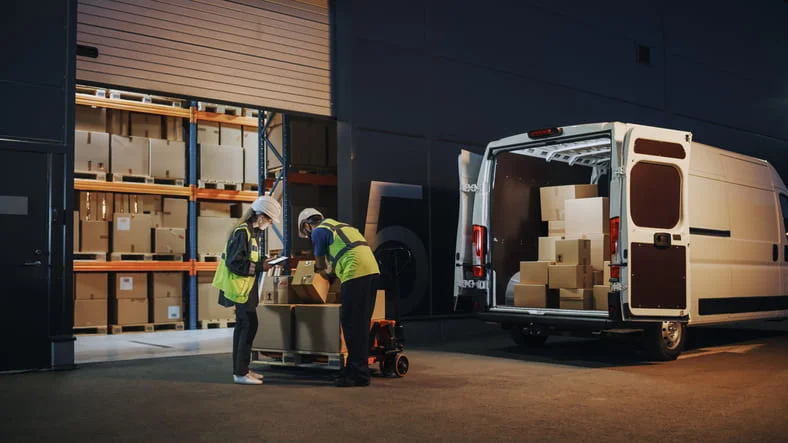
In a fast-paced industrial environment, warehouses are the heart of operations. From storing goods to preparing shipments, every detail matters. Yet, one factor is often overlooked until problems arise: the quality of materials used in equipment and infrastructure. Premium materials may cost more upfront, but they deliver major returns in the long run. Here’s how they power up your warehouse in terms of efficiency, safety, and overall performance.
Efficiency Begins with Durability
When materials are built to last, everything runs smoother. Shelving units that resist corrosion, flooring that stands up to constant traffic, and conveyor belts made from high-grade composites all reduce maintenance downtime.
Cheap materials might save money short-term, but they wear out quickly, leading to delays, breakdowns, and costly repairs. For example, industrial-grade steel racking can hold heavier loads without warping over time. That means fewer replacements and less time wasted reorganizing damaged units.
Even something as simple as better-quality plastic bins can speed up picking times. When bins maintain their shape and don’t crack under pressure, warehouse workers can move faster and more confidently.
Safety Is Built from the Ground Up
Workplace injuries don’t just impact employees; they slow productivity, lead to lawsuits, and affect morale. Premium materials reduce risk in several key ways.
Anti-slip flooring made from high-friction polymers can help prevent falls, especially in areas prone to spills or condensation. Likewise, safety barriers constructed with reinforced steel absorb impacts better than cheaper alternatives.
Protective gear matters too. Helmets, gloves, and goggles made with stronger, more ergonomic materials ensure that workers stay safe without compromising comfort. The right gear encourages consistent use, which is critical in maintaining a safe work environment.
Upgrading Equipment with the Right Add-Ons
Equipment upgrades don’t always mean buying brand-new machinery. Sometimes, it’s about the smart use of accessories that improve what you already have.
Take, for example, the use of fork extensions. These handy tools extend the reach of existing forklifts, allowing them to handle longer or more awkward loads with ease. High-quality fork extensions made from reinforced steel ensure stability and safety, whereas cheaper versions might bend or break under stress. This not only improves efficiency but also prevents accidents and load damage.
Another example is high-grade conveyor rollers. Stainless steel or rubber-coated versions reduce noise and last significantly longer than standard options. When these parts are upgraded, the overall workflow becomes smoother, quieter, and more dependable.
Energy Efficiency That Pays Off
Premium materials aren’t just about strength; they can also improve energy efficiency. Warehouses consume a significant amount of electricity, especially in lighting and climate control.
LED lighting, for instance, uses advanced semiconductors that last longer and consume less power than fluorescent or incandescent bulbs. The U.S. Department of Energy confirms that LED lights use at least 75% less energy and last 25 times longer than traditional lighting systems.
Insulated wall panels and high-performance doors made from composite materials can help maintain internal temperatures. This is especially useful for cold storage facilities. Better insulation means HVAC systems don’t have to work as hard, leading to significant savings over time.
Sustainability and Long-Term ROI
Sustainability isn’t just a buzzword. Using recyclable or responsibly sourced materials enhances a company’s reputation and meets growing customer expectations for environmental responsibility.
Bamboo shelving, recycled steel, and biodegradable packaging materials are examples of premium, eco-friendly options. These materials are often more resilient and adaptable, making them a smart long-term investment.
Plus, some government programs offer tax incentives or rebates for businesses that switch to sustainable options. In this way, upgrading materials can lead to both environmental and financial benefits.
Adaptability for Future Growth
Warehouses must be ready to scale as demand grows. Choosing flexible, modular systems made from premium materials allows facilities to adapt without major overhauls.
Adjustable racking systems, portable workstations, and extendable loading docks are only effective when made with strong, long-lasting materials. Poor-quality gear might work fine today but could buckle under increased load tomorrow. Future-proofing your warehouse begins with investing in material quality today.
Final Thoughts
Efficiency. Safety. Growth. All of these depend on the choices made when designing or upgrading a warehouse. Premium materials are not a luxury—they’re a necessity for operations that aim to run smoothly and scale smartly.
While the upfront cost can seem steep, the reduced maintenance, improved safety, energy savings, and long-term adaptability more than make up for it. Simply put, investing in quality today prevents breakdowns tomorrow.