OpenAI has struck a major agreement with Advanced Micro Devices (AMD) that could grant Sam Altman’s company up to a 10% ownership stake in the chipmaker. The deal, announced Monday, marks one of the largest graphics processing unit (GPU) deployment commitments in the artificial intelligence industry.
Following the announcement, AMD’s shares surged 23.71%, signaling strong investor confidence in the strategic partnership.
Under the agreement, OpenAI will roll out 6 gigawatts of AMD’s Instinct GPUs over several years, starting with an initial 1-gigawatt deployment in the second half of 2026. The rollout will span multiple hardware generations to support OpenAI’s expanding infrastructure needs.
“We have to do this,” OpenAI President Greg Brockman told CNBC’s Squawk on the Street. “This is so core to our mission if we really want to be able to scale to reach all of humanity, this is what we have to do.”
Brockman noted that limited compute power has prevented OpenAI from launching many new ChatGPT features and other products that could boost revenue.
As part of the deal, AMD has granted OpenAI a warrant for up to 160 million shares of AMD common stock. Vesting milestones are tied to deployment volume and AMD’s share price, with the first tranche unlocking after the initial 1-gigawatt rollout. Full exercise of the warrant would give OpenAI roughly 10% ownership in AMD, based on current shares outstanding.
While OpenAI described the deal as worth “billions,” it declined to provide a specific figure.
For AMD, the partnership positions the company as a key supplier in OpenAI’s long-term growth strategy. AMD CEO Lisa Su told CNBC that artificial intelligence is entering a decade-long expansion phase.
“At the end of the day, you need the foundational compute to do that,” Su said. “You need partnerships like this that really bring the ecosystem together to ensure that we can really get the best technologies out there. So we’re super excited about the opportunities here.”
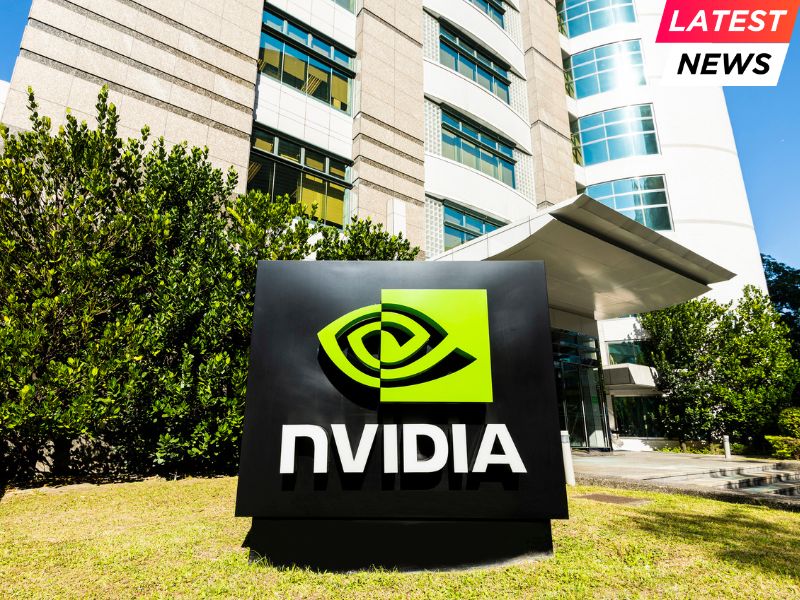
The collaboration could ease supply chain pressure and reduce OpenAI’s dependency on a single chip vendor. It also follows OpenAI’s $100 billion equity-and-supply deal with Nvidia, which secured a 10-gigawatt portion of the company’s massive 23-gigawatt AI infrastructure plan.
Nvidia shares dipped 1% Monday after the AMD announcement. Between the AMD and Nvidia agreements, OpenAI has committed roughly $1 trillion in new infrastructure investments in just two weeks, based on estimated construction costs of $50 billion per gigawatt.
OpenAI is also negotiating with Broadcom to develop custom chips for its next generation of AI models.
The AMD deal adds another layer to what analysts describe as a “circular economy” in the AI sector, where capital, compute power, and equity circulate among a small group of companies. Nvidia provides capital and hardware, Oracle helps build data centers, AMD and Broadcom supply chips, and OpenAI drives demand.
For AMD, this partnership serves as both a commercial victory and a validation of its Instinct GPU lineup. After years of trailing Nvidia in the AI accelerator market, AMD now has a flagship client leading the generative AI revolution.
Su said the collaboration creates “a true win-win enabling the world’s most ambitious AI buildout and advancing the entire AI ecosystem.”
The deal also underscores OpenAI’s infrastructure ambitions through its Stargate project, which aims to build massive data center sites across the United States. Its first site in Abilene, Texas, already runs on Nvidia chips, while future facilities in New Mexico, Ohio, and the Midwest are expected to include a mix of AMD hardware.
With this partnership, OpenAI and AMD are setting the stage for one of the most significant hardware buildouts in the history of artificial intelligence.
Related Readings: