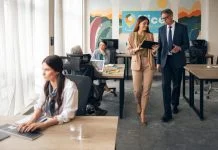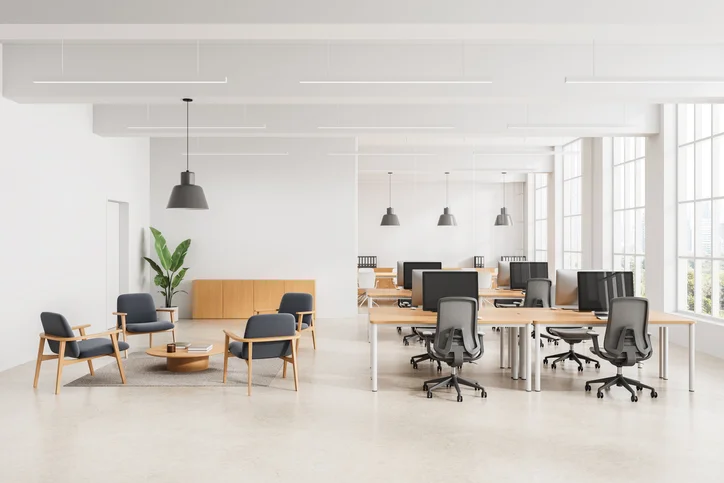
An office desk used to be nothing more than a desk to sit at and work, a Flat surface, a chair, maybe a stack of papers you never actually look back on. However, as the way we work has shifted, the desk has quietly taken on an even bigger role. Right now, in this hybrid digital world, a desk does way more than keep you comfortable. It plays into your productivity, your well-being, and even how innovative you can be.
From Fixed to Flexible
The word ‘desk’ comes from the 14th-century Latin ‘desca’, meaning a table to write on, and that was all it was. Traditional office desks were rigid, solid pieces of wood, identical, and frankly uninspiring. Often a symbol of hierarchy. Your role was to sit down and stay in that position and work, often at the expense of comfort and energy.
Today, expectations are very different. Employees want and need flexibility in their office desk design. Standing desks, adjustable chairs, and height-adjustable desks are now common features to give better control over the employees’ environment and personal comfort. Some offices now use movable desks that can be set up to suit each project. These small changes help because you can switch between sitting and standing, and keep a good posture throughout the day. Staff feel less tired and more focused, and they feel more involved. No one does their best work stuck in the same chair all day.
Productivity, But Quietly
A desk has a bigger impact on focus than many realise. A clear surface, untangled cables, and monitors set at the right height can transform how smooth and efficient your day feels. Small adjustments can make a big difference.
And in the age of remote meetings, desks have a new job: doubling as mini studios. Whether it’s Zoom or Teams, proper lighting, a solid camera, and clear sound have become essential. Without them, meetings get held up by the same interruption: ‘Can you hear me?’
Wellbeing at the Center
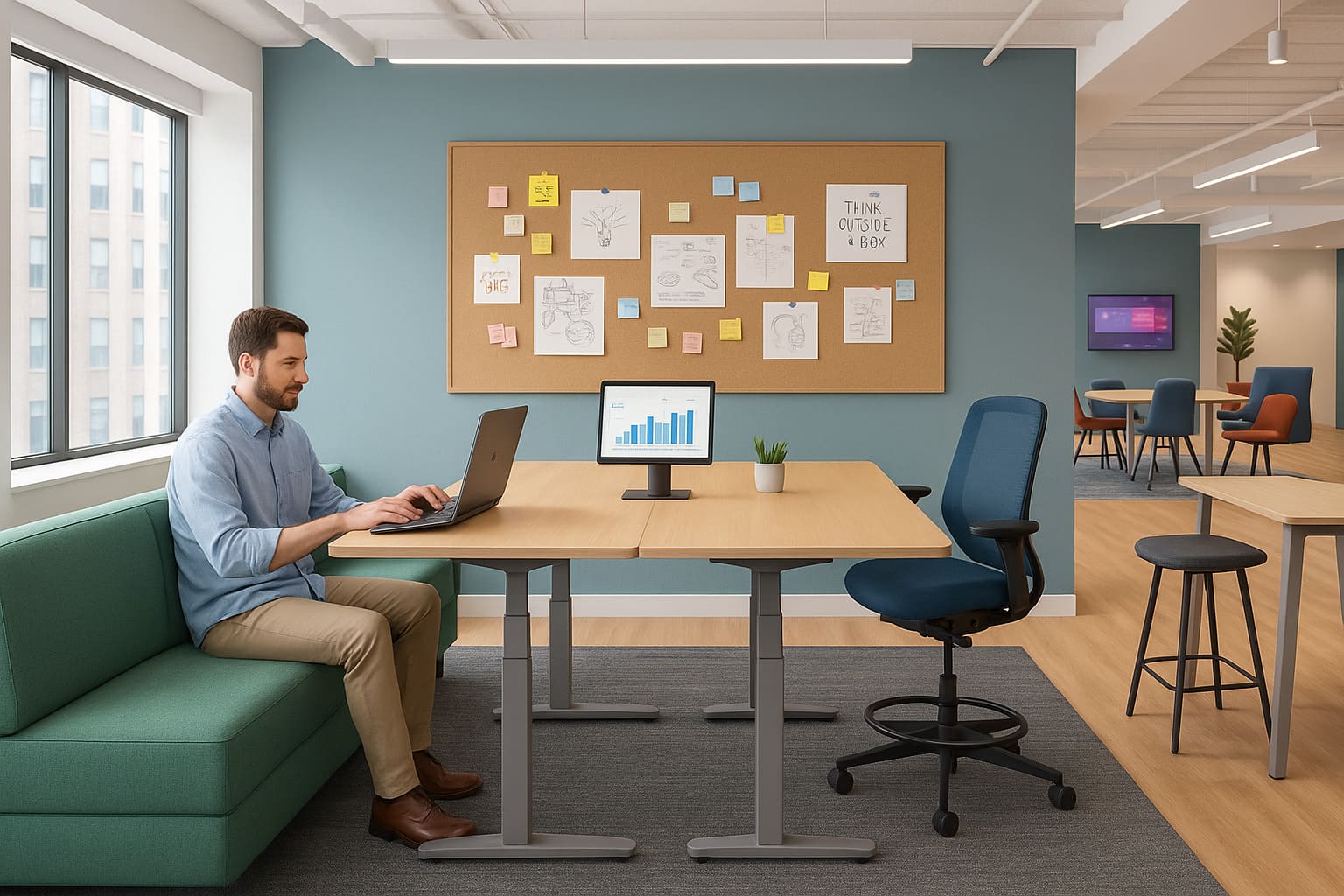
Burnout, back pain, and poor posture can soon take a toll not just on employees, but on organisations too.. Adjustable-height desks and comfortable chairs matter at work. They are vital for staying healthy and getting more done. Dim light strains your eyes and causes fatigue. Good lighting lifts your energy and helps improve your focus.
Your office space matters too. Bring in plants, cut plastic, and choose natural or recycled furniture. It can greatly change the feel of the place. The air feels fresher, the space feels less corporate, and the room becomes an environment you actually want to be in. Across Europe, the “bring nature in” trend is gaining real traction, and for good reason: greenery at the desk means calmer, more focused minds.
Tech at the Desk
Smart desks can adjust to your height, keep an eye on posture, and even remind you to stand for breaks. They can even send back simple usage statistics so teams can see what is working and what is not, which helps when planning a hybrid office, meeting seats, and rooms to meet real demand.
Smart tech in the office can offer numerous benefits, including wireless keyboards, smart desk lamps, motorized standing desks, and even an ergonomic mouse can all streamline your workflow, boost your productivity, and efficiency.
The European Angle
Europe’s spin? Sustainability. Recycled materials, furniture built to last, and less waste. Plus, health and safety rules keep pushing ergonomics higher on the checklist.
Compare it globally: U.S. desks are bigger, flashier. Asia’s desks are more efficient, compact. Europe wants to strike a balance. Compact and comfortable, stylish but also eco-friendly. Real Success goes beyond numbers; it involves valuing the people and protecting the planet.
Designed for Everyone
Here’s the truth: not everyone works the same way. Some need quiet corners. Some thrive in groups. Others need to bounce between the two. Modular desks solve a lot of that, shuffle them around, rebuild depending on the day.
And inclusivity matters too. Think about neurodiverse employees’ spaces that are calmer, adjustable, and less overwhelming. Desks that can change to fit people instead of forcing people to fit desks. That’s the direction forward.
What’s Next
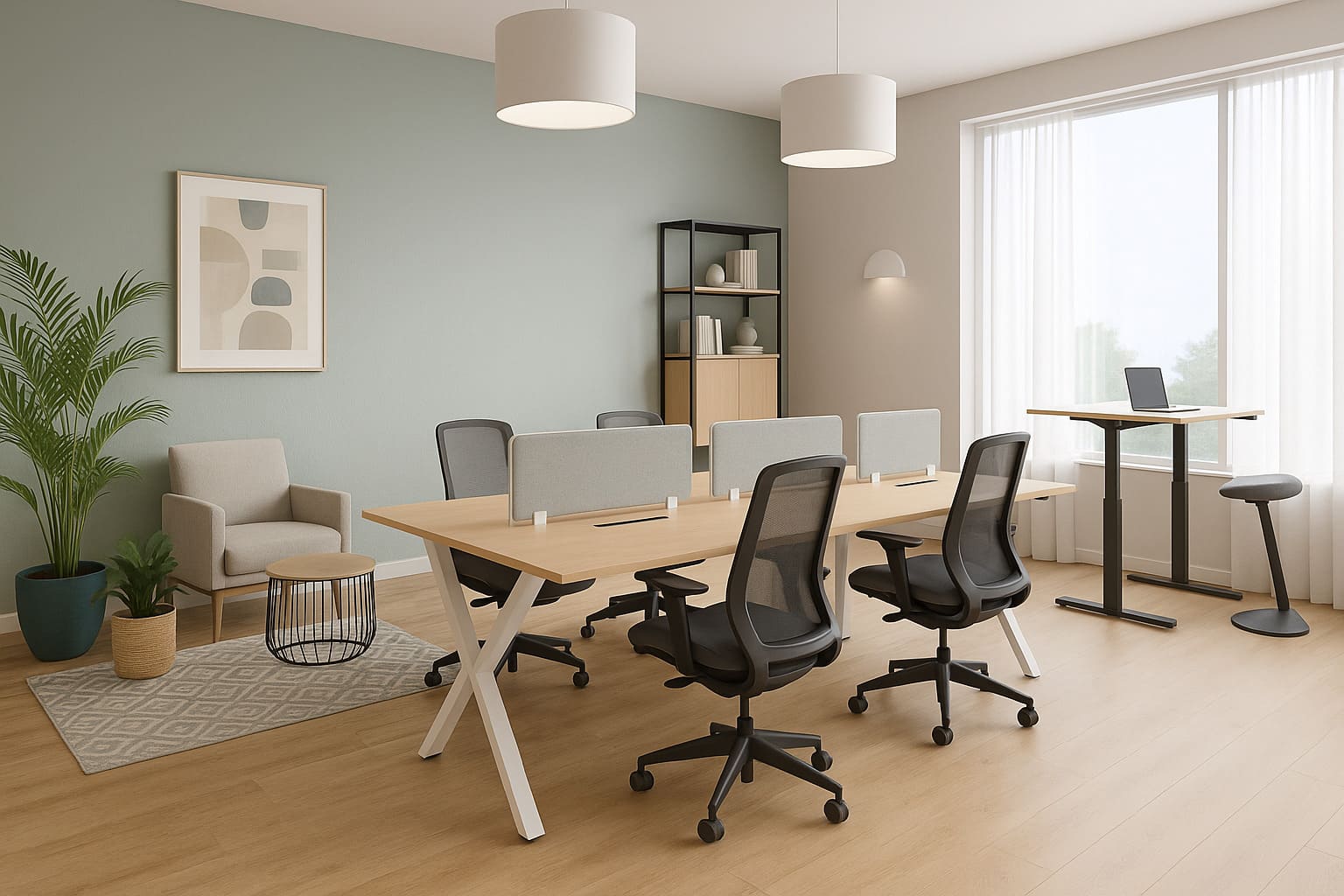
Future desks? Smarter, greener, more personal. Imagine walking up and the desk just knows height, lighting, and even how you like your screens. Or neighborhoods in the office: this desk cluster is for focus, that one’s for collaboration, another for calls.
The desk is not going away. Lounges and hot-desks work fine temporarily, but at the end of the day, people want a more permanent spot to maintain focus. Leaders need to make sure that the spot actually helps keep people healthy, sharp, and connected.
The photos in the article are provided by the company(s) mentioned in the article and are used with permission.