
Across the globe, senior living is emerging as a dynamic area of focus with significant potential for thoughtful investment. By 2030, one in six people worldwide will be aged 60 or older, a demographic shift that is influencing how communities approach housing, wellness, and social connection. While progress is underway, YOOBELONG, a Germany-based, community-centered operator platform, believes there remains meaningful room for innovation and growth to better align offerings with the evolving preferences of older adults.

Recent analyses have underscored the magnitude of this imbalance. In the United States alone, the senior housing sector faces a USD 275 billion investment gap required to meet projected needs. In Europe, the situation is similarly urgent. This shortfall reflects a widening gap between growing demand and insufficient development activity across all segments, from care homes to assisted living.
YOOBELONG notes that despite these challenges, the market for lifestyle-oriented, active adult communities is emerging rapidly in Europe, driven by demographic shifts and evolving lifestyle preferences. With an estimated 25% market share in 2024, countries like Germany and the United Kingdom are leading development efforts. Regulatory frameworks are maturing to support community integration and accessibility, while a mix of local and international players is fueling innovation and expanding choices for active adults.
These shifting demographic, social, and economic patterns, YOOBELONG argues, may open pathways for reimagining approaches to aging and community design. Moreover, the company believes they could inspire interest in environments that resonate with individual values and aspirations, spaces that foster not only assistance and well-being, but also opportunities for connection, learning, and meaningful engagement.
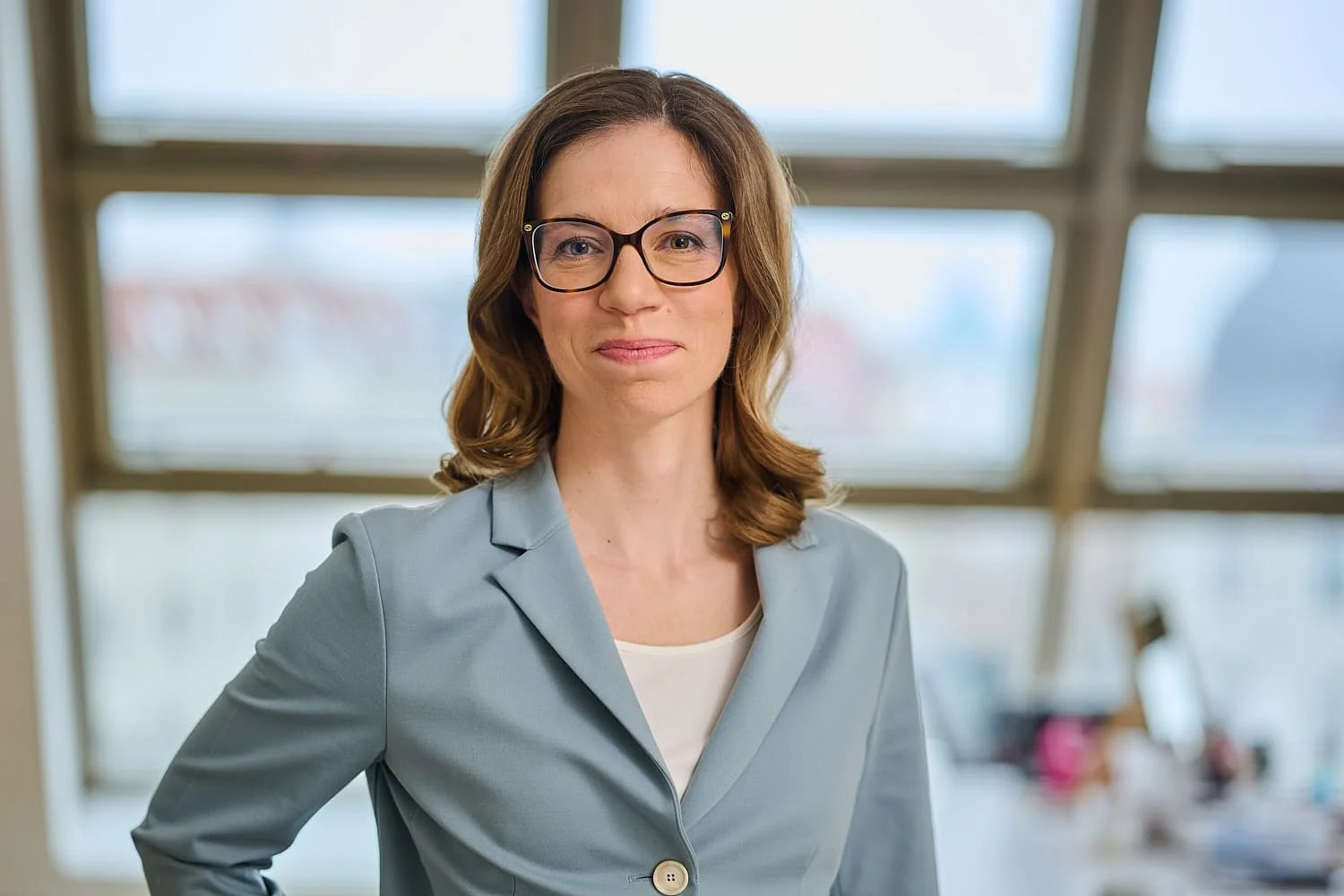
“We’re seeing exciting momentum in the senior living space, but there’s still room to grow when it comes to creating environments that truly support autonomy, engagement, and meaningful connection,” says YOOBELONG founder Dr. Jil C. Gunsenheimer.
The company believes that the disconnect in the senior living sector could stem from both structural and perceptual dynamics. It also observes that, in some cases, existing models appear to be influenced by healthcare or institutional frameworks, which may inadvertently emphasize support for dependency over the encouragement of active engagement.
“From an investor’s perspective, senior living can be seen as a multifaceted space that involves thoughtful navigation of regulations, operational planning, and diverse return scenarios,” Gunsenheimer states. “It’s precisely this complexity that makes the sector so interesting to explore. If a sector can support both meaningful social outcomes and financial profitability, why not explore new approaches rather than rely exclusively on past templates?”
YOOBELONG positions itself as one such approach. With its platform, residents can access a curated marketplace of services and activities through a digital interface, local providers may gain access to a steady clientele, and buildings could become neighborhood hubs rather than isolated institutions. The design intent is to encourage voluntary moves by people in their early 60s to early 70s, a transition framed as a lifestyle choice. “When environments invite engagement before dependency arrives, people often find more reasons to stay active, curious, and connected,” Gunsenheimer says.
YOOBELONG’s approach has several implications. First, amenities and services are organized to support social interaction, lifelong learning, volunteer initiatives, and practical convenience from shared cultural programming to on-demand household services. Second, a platform-based marketplace can help reduce the need for large in-house service teams, enabling flexibility in offerings while connecting residents to vetted local partners.
Third, an explicit focus on local integration, involving neighborhood businesses, schools, and civic groups, aims to create a positive multiplier effect for surrounding districts. “Our model seeks to address the senior population by making their living more attractive, visible, and economically connected to its local environment,” explains Gunsenheimer.
The market case for such a model is nuanced. Seniors often have concentrated purchasing power and more time for leisure. When they are part of an engaged local community, that activity can support retail and service ecosystems nearby. YOOBELONG’s approach visualizes each project as a node in a wider city network, a place where personal well-being and neighborhood vitality may be reciprocally reinforced.
For investors and community leaders, the opportunity may lie in aligning demographic trends with emerging models that prioritize transparency, resident agency, and scalable partnerships. YOOBELONG bridges this gap through thoughtful modular design and digital integration.
Overall, innovators who combine social impact with commercial viability can help reshape entire sectors. YOOBELONG illustrates how catering to an underserved demographic may enhance both resident well-being and economic resilience. As populations age, such models may guide more inclusive and sustainable futures for communities.
The photos in the article are provided by the company(s) mentioned in the article and used with permission.
Disclaimer: This article contains sponsored marketing content. It is intended for promotional purposes and should not be considered as an endorsement or recommendation by our website. Readers are encouraged to conduct their own research and exercise their own judgment before making any decisions based on the information provided in this article.