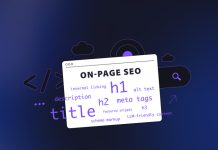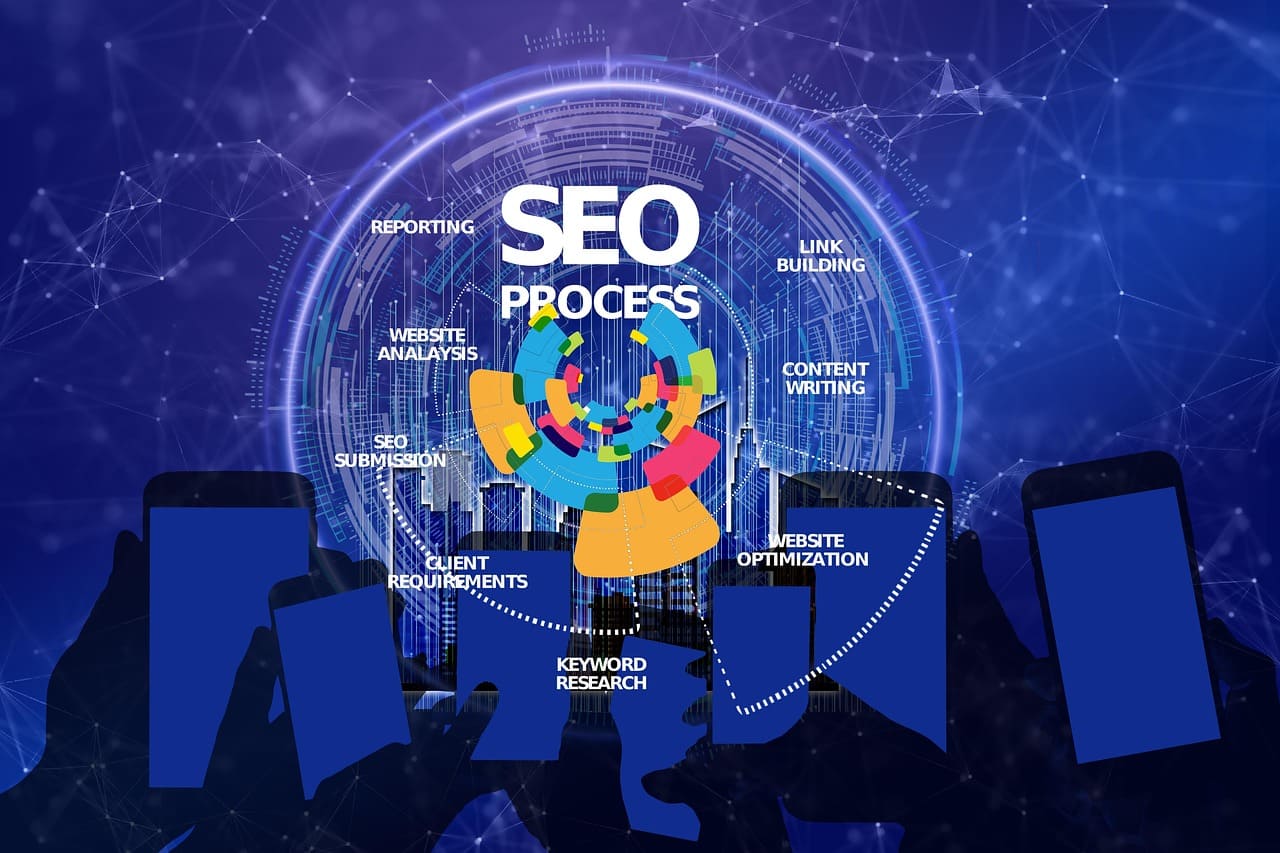
In the fiercely competitive online retail landscape, having a fully functional e-commerce website alone is insufficient. To attract more traffic, convert visitors into paying customers, and achieve sales growth, your store must gain higher visibility in search engines. This is where e-commerce SEO becomes crucial. In this guide, we’ll delve into strategies for boosting your e-commerce SEO, helping you effectively enhance your website’s exposure and overall performance.
Why SEO is Crucial for E-Commerce Websites
Search engine optimization (SEO) is essential for e-commerce because it helps your website appear in organic search results when potential customers are looking for products you sell. Unlike paid ads, organic traffic is cost-effective and sustainable. A well-optimized e-commerce site not only drives more visitors but also increases trust, authority, and ultimately, conversions.
Investing in SEO can lead to:
- Increased visibility on search engines
- Higher-quality traffic targeting buyer intent
- Improved user experience and website navigation
- Long-term growth and reduced dependency on paid advertising
Effective E-commerce SEO Strategies to Boost Sales
Standing out in search engines requires more than just a visually appealing website. By implementing scientific SEO strategies, you can not only improve your site’s rankings but also attract more potential customers, driving sales growth.
Keyword Optimization
Keywords form the foundation of e-commerce SEO. Selecting the right keywords ensures your products are easily discoverable when users search, driving high-quality traffic. Take the well-known wedding and dress e-commerce brand Azazie as an example. Its successful SEO practices are worth learning from.
Practical Tips:
- Understand Buyer Intent: Whether they’re seeking inspiration, comparing options, or ready to make a purchase. Azazie, for instance, targets high-intent keywords such as “buy bridesmaid dresses online” and “custom wedding gowns”, which attract shoppers ready to convert.
- Optimize Titles and Product Descriptions: Naturally incorporate keywords to ensure content flows smoothly while remaining search engine-friendly. Avoid forced keyword stuffing.
- Use Long-Tail Keywords: Phrases like “sparkling Christmas dresses” offer lower competition and higher conversion rates.
Product Page Optimization
Product pages are the core of e-commerce sites and key to conversions. Careful optimization boosts search rankings while enhancing user experience.
Optimization Points:
- Unique Product Descriptions: Avoid copying manufacturer text. Write original, compelling content highlighting product features and advantages.
- High-quality images: Include descriptive alt tags and compress images for faster loading.
- Structured data: Use schema markup to help search engines understand your products, prices, and availability.
- Customer reviews: Positive reviews not only build trust but also generate fresh content for search engines.
Website Structure and Navigation
A clear and intuitive website structure is critical for both user experience and SEO.
Best practices include:
- Logical category hierarchy: Ensure main categories and subcategories make sense for both humans and search engines.
- Breadcrumb navigation: Helps users understand their location on your site and improves internal linking.
- XML sitemap: Submit it to Google Search Console to make indexing easier.
Mobile Optimization
With more users shopping on mobile devices, a mobile-friendly website is no longer optional.
Mobile SEO essentials:
- Responsive design that adapts to all screen sizes
- Fast loading times (aim for under 3 seconds)
- Simplified checkout and navigation for mobile users
Google prioritizes mobile-first indexing, meaning your mobile experience directly impacts your rankings.
Technical SEO
Technical SEO ensures that search engines can crawl and index your site efficiently.
Key technical elements:
- Site speed optimization: Minimize CSS/JS, leverage browser caching, and use a content delivery network (CDN).
- Secure website (HTTPS): Security is both a ranking factor and a trust signal.
- Canonical tags: Prevent duplicate content issues across product variants.
- Fix broken links: Use tools like Screaming Frog to identify and repair broken pages.
Content Marketing
Content marketing is an invaluable tool for e-commerce SEO. It not only attracts traffic but also educates and engages your audience.
Content ideas for e-commerce sites:
- Blog posts like “10 New Years Eve Dresses Trends for 2025”
- Buying guides and tutorials
- Product comparison articles
- Videos showcasing product features
Consistently publishing high-quality content strengthens your domain authority and encourages backlinks.
Link Building for E-Commerce Websites
Links from authoritative websites boost your e-commerce site’s credibility and search rankings.
Strategies for building links:
- Collaborate with bloggers and influencers in your niche
- Create shareable content like infographics or guides
- Guest posting on reputable sites
- Engage in partnerships with industry-related sites
Remember, quality matters more than quantity; avoid spammy link-building tactics that could harm your SEO.
Measuring and Tracking E-commerce SEO Success
Tracking SEO performance helps you understand what’s working and what needs improvement.
Key metrics to monitor:
- Organic traffic: Number of visitors from search engines
- Conversion rate: Percentage of visitors who complete a purchase
- Keyword Rankings: Position of target keywords in search engine results
- Bounce Rate and Session Duration: Reflect user engagement
- Page Speed and Mobile Usability: Technical metrics impacting SEO
Tools like Google Analytics, Google Search Console, and SEMrush provide deep insights into your SEO performance.
Conclusion
Enhancing e-commerce SEO requires a systematic and cohesive approach that seamlessly integrates keyword research, technical optimization, content marketing, and external link building. By effectively implementing these strategies, your website can achieve higher visibility in search engines, attract precise target traffic, and significantly drive sales growth.
E-commerce SEO is an ongoing optimization process, yet its long-term returns often far exceed the investment, making it a strategic initiative worthy of sustained corporate commitment. It is advisable to begin with foundational elements, closely monitor performance metrics, and progressively adopt more advanced optimization techniques to maintain a competitive edge in the fiercely contested marketplace.