Europe’s energy challenge is becoming less about preparing for one predictable shock and more about building a system that can absorb several kinds of pressure at once. Gas storage remains an important part of winter security, supplying roughly 25% to 30% of the gas consumed in the EU during winter, according to the European Commission.
The immediate picture is mixed rather than uniformly alarming. On September 25, the Commission said EU gas supply remained stable, even though storage levels were well below historical levels. Earlier in September, it also said geopolitical uncertainty was contributing to price volatility while Qatari LNG production remained shut down. During the summer, heat and drought had reduced electricity generation in some countries, while cross-border coordination helped keep the wider system stable.
For Paul M. Sotkiewicz, former Chief Economist at North America’s largest power market and grid, founder and president of E-Cubed Policy Associates, an energy economics consultancy, those conditions point to a larger question. Europe, he argues, should think beyond short-term crisis management and consider how repeated weather and geopolitical disruptions can be managed without placing all of the burden on large infrastructure projects or emergency policy responses.
His argument begins with demand. “Customers have agency. They can invest in efficiency,” Sotkiewicz says. Measures such as better insulation, improved windows, and more efficient equipment may appear incremental, but he believes they can reduce the amount of energy a household or business needs during expensive or constrained periods.
That matters because resilience is partly a question of how much pressure the system must absorb. “The less energy being used, the easier it is to be resilient,” he explains. In his view, energy policy can pay more attention to the services people actually need, whether that is heating, cooling, lighting, or refrigeration, rather than treating higher consumption as the only route to comfort or productivity.
Consumer flexibility is another part of that approach. The European Commission’s 2026 Citizens Energy Package encourages retail arrangements that can reward consumers for shifting electricity use away from costly peak periods. Sotkiewicz sees that kind of pricing as a practical way to give households and businesses more choice over when they consume energy, while helping the wider system respond to changing supply conditions.
Distributed generation and storage could extend that flexibility. Small-scale solar, including balcony solar where appropriate, can allow some consumers to generate electricity closer to where it is used. Batteries can add another layer by storing electricity when it is more available or less expensive and releasing it later. The Commission similarly identifies energy storage as important for flexibility, stability, and security of supply as the share of renewable electricity grows.
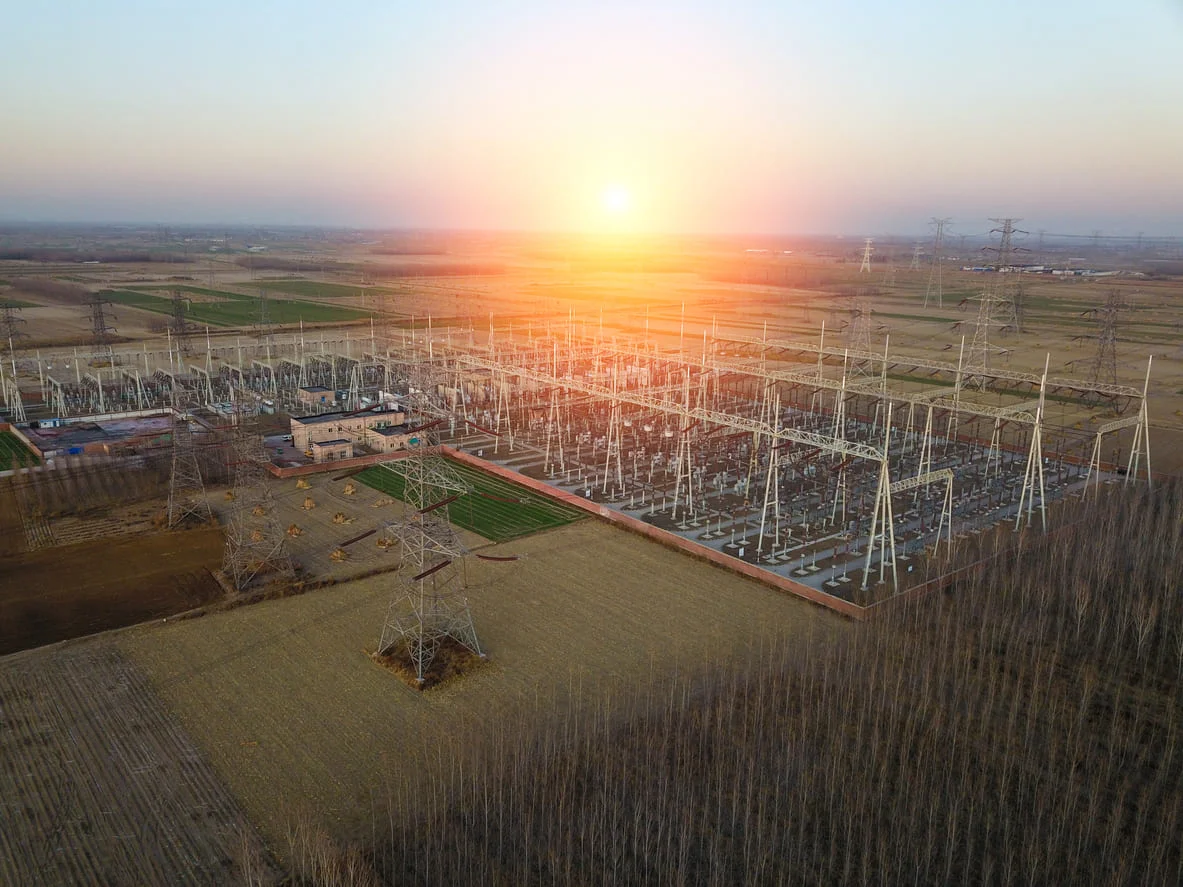
Sotkiewicz frames these technologies collectively as part of a more distributed energy system. He does not present them as a substitute for utility-scale wind, solar, transmission, or other large projects. Instead, he sees distributed energy resources as a complement that may be deployed more rapidly and with fewer siting and permitting problems at the household or business level while larger investments continue through longer planning, permitting, and construction cycles.
That distinction is important. Europe’s energy system still depends on coordinated markets, major infrastructure, and sufficient firm capacity. The Commission’s September assessment also indicates that lower storage levels do not automatically translate into an immediate security-of-supply emergency. A resilient strategy therefore has to avoid treating every period of stress as evidence that one technology or one policy can solve the problem.
Sotkiewicz’s broader point is that preparation should become more layered. “Being resilient is the ability to absorb those changes and recover quickly,” he explains. For Europe, that could mean pairing large-scale investment with efficiency, flexible pricing, distributed solar, storage, and stronger consumer participation.
The value of that approach is not that it removes uncertainty. Weather, fuel markets, and geopolitical events will remain difficult to predict. The more practical goal is to reduce how exposed consumers and the power system are when those pressures arrive. A more flexible system gives policymakers, operators, businesses, and households more ways to respond before the next disruption becomes a crisis.