Agtech boosts efficiency by turning farm decisions into clear, data‑guided actions.
Sensors, software, and smarter machines help growers do more with fewer resources.
Below, I have unpacked eight solution areas, with practical examples and trusted sources.
You’ll see how data, automation, and good agronomy work together on real farms.
1. Precision agriculture and data analytics
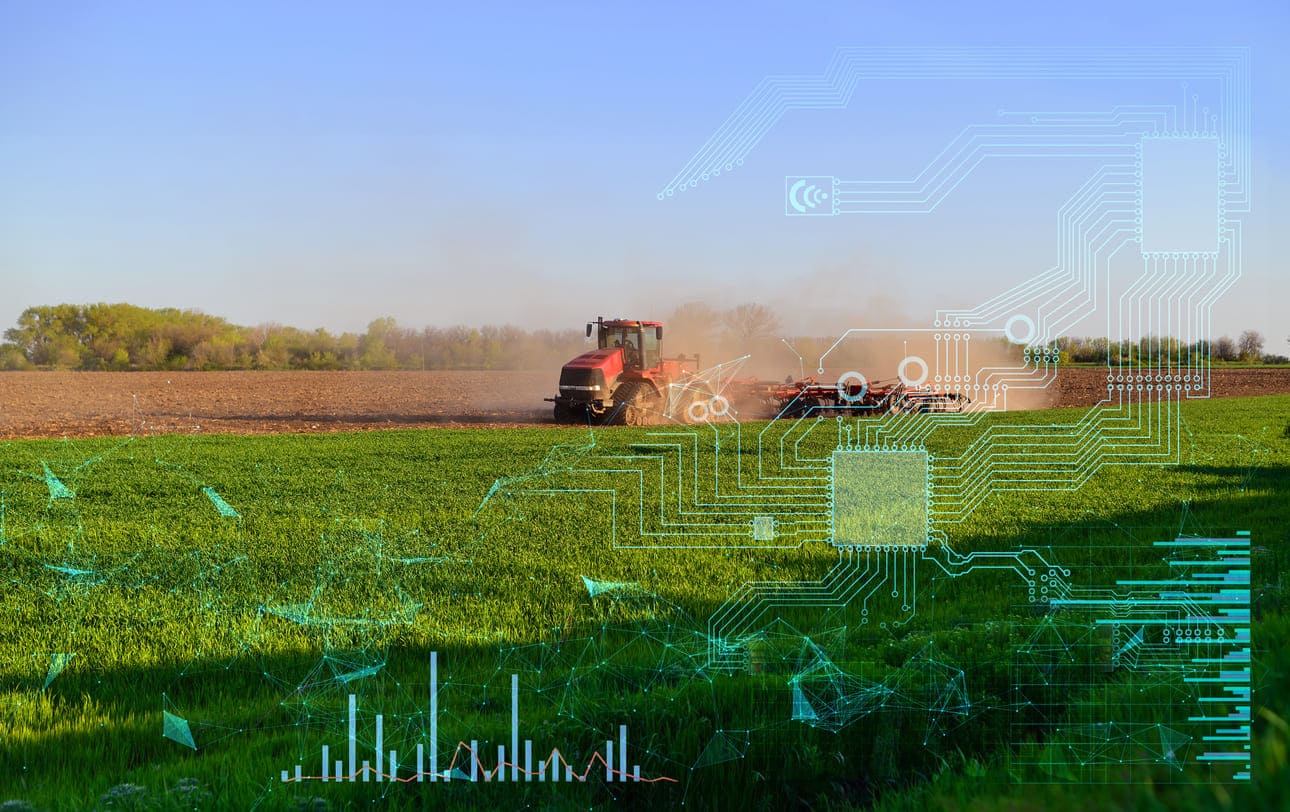
Precision ag starts with better field awareness. Sensors, drones, and GPS show where crops need help, so inputs go only where they matter. That means fewer passes, less waste, and steadier yields across the field. According to the USDA’s NIFA, these tools raise productivity while reducing water, fertilizer, and pesticide use for safer, more resilient systems.
Data science then turns raw measurements into decisions. According to the GAO, precision tech can cut costs and protect water by applying inputs precisely, while “adoption hurdles” include complexity and up‑front expense. AEM’s studies quantify gains: higher output, better fertilizer placement, and less chemical and fuel use. VITech and Farmonaut highlight how AI models and satellite imagery sharpen scouting, timing, and variable‑rate work.
2. Smart irrigation and weather‑aware water management
Water is often the tightest constraint. Smart irrigation uses soil‑moisture probes, weather data, and automated valves to deliver the right amount, at the right time. According to DTN, precision approaches reduce waste, protect resources, and improve farm quality of life, because fewer emergency pivots and fewer overwatered blocks mean calmer days.
The impact is measurable. AEM reports meaningful water savings from precision practices at scale. Practical deployments pair rugged computers with IoT sensors to watch soil and actuate pumps in real time, as Teguar notes, while analytics platforms tune schedules season‑long. Together, they save water, energy, and operator time.
3. Precision nutrition and agronomy platforms
Nutrient efficiency is central to profitable, climate‑smart farming. ICL Group’s digital agronomy arm, Agmatix, unifies messy field data and turns it into fertilizer plans that match crop demand. Agmatix explains how big‑data tools improve trials, close data silos, and support regenerative practice tracking so rates, timings, and blends align with goals and regulations. According to Agmatix, those analytics help agronomists and growers raise yields, cut waste, and report outcomes with confidence across regions.
4. Field robotics and autonomous equipment
Repetitive jobs steal time and wear out crews. Robots and driver‑optional machines handle mowing, weeding, and in‑row tasks with consistent passes and precise positioning. According to Nationwide’s farm research, automation reduces manual labor and injury risk while keeping operations productive through labor shortages. Real deployments are growing. According to Advantech, vision‑guided harvest robots identify ripe fruit and lift capacity as rural workforces age. Recent funding highlights momentum: the Wall Street Journal reported Bonsai Robotics raised capital to speed orchard automation for tree crops. In indoor systems, Agritecture documents how robots manage seeding and harvest to maintain quality and throughput.
5. Controlled‑environment agriculture (CEA) and vertical systems
CEA brings the field indoors, controlling light, temperature, humidity, and nutrients. The result is steady output, tight resource control, and less exposure to extreme weather. According to Agritecture, automation inside modern facilities plants, feeds, monitors, and harvests crops to reduce labor needs and keep quality consistent. Robotic harvesting is particularly important in CEA, where ripeness windows are short. According to Agritecture’s robotics coverage, vision systems spot ripe produce and pick quickly, cutting losses and improving packouts. These integrated platforms help operators align yields with demand and reduce water use compared with open‑field systems.
6. Livestock wearables and digital traceability
Animals generate data too. Wearable sensors and smart ear tags track location, activity, and health signals to catch problems early and guide feeding. According to Farmdeck and Farmbrite, RFID ear tags speed ID checks, weight logging, and treatments, saving labor while building cleaner records for audits.
Those same data streams strengthen traceability from paddock to processor. According to Farmdeck’s traceability features, satellite‑enabled and RFID tags support full event logging and biosecurity. Research on agricultural wearables shows rapid progress in standalone sensing, pointing to earlier disease detection and better welfare with lower input waste.
7. Unified farm management software (FMS)
Data only helps if it’s organized. FMS platforms pull in maps, sensor feeds, equipment logs, and work orders to simplify daily planning. According to Farmbrite, modern growers use these dashboards to schedule tasks, forecast yields, and separate signal from noise in everyday decisions.
Integration matters beyond row crops. According to PondIoT, unified tools now connect crop, livestock, and even aquaculture workflows, while DLL notes that data‑driven technology improves resource use and profitability when paired with the right financing and adoption plan. That combination speeds ROI and de‑risks upgrades for family farms and large enterprises alike.
8. Supply‑chain transparency and waste reduction
Efficiency doesn’t end at the farm gate. Digital traceability follows products from field to shelf, improving recall speed, quality claims, and buyer trust. According to Forward Fooding, blockchain and digital ledgers increase transparency and accountability across food chains.
The payoff is large. The World Bank estimates blockchain‑enabled traceability could reduce global food losses by up to 30 million tons annually if deployed at scale. Industry analysis shows these systems also curb fraud and waste while helping procurement teams source responsibly and verify sustainability.
Key takeaways
Across these eight areas, efficiency comes from knowing where to act and when to act.
According to AEM and GAO, precision tools raise output, save inputs, and protect resources—yet adoption support and training still matter. With platforms like ICL Group’s Agmatix and a growing ecosystem of robotics, sensors, and software, farms can scale results while meeting tougher climate and reporting standards.