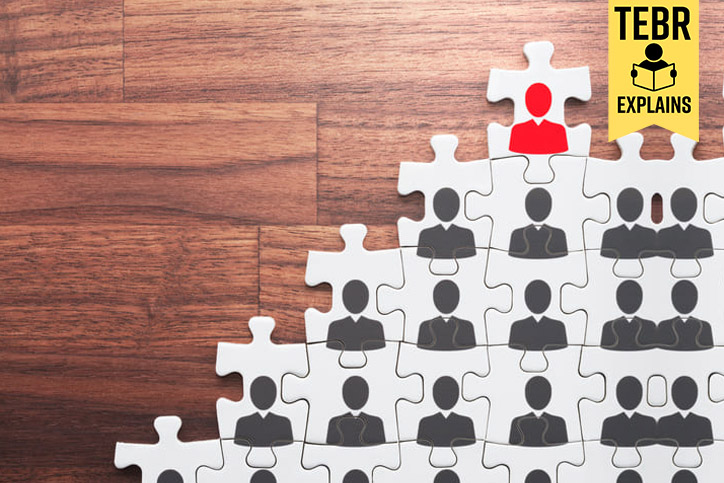
Every successful organization needs structure. Whether it’s a small startup or a global conglomerate, businesses operate more effectively when roles and responsibilities are clearly defined. This article unpacks corporate hierarchies, showing how leadership flows from top executives down to the everyday heroes on the frontline.
Understanding Corporate Hierarchies
A corporate hierarchy is essentially a system of organizing people within a company based on their job roles, responsibilities, and levels of authority. Think of it as a pyramid. At the top are the key decision-makers, while the layers below carry out strategic plans, oversee operations, and ensure day-to-day tasks are completed. While it might seem rigid, this structure is designed to create order, promote accountability, and help businesses run smoothly.
Though the titles and structure may vary slightly from one organization to another, most corporate hierarchies follow a similar pattern. They generally consist of five main levels: the C-suite, senior management, middle management, lower management, and frontline employees. Let’s explore each of these tiers in detail.
1. The C-Suite (Executive Leadership)
At the very top of the hierarchy sits the C-suite — a group of executives whose titles typically begin with the letter “C” for “Chief.” These include positions such as Chief Executive Officer (CEO), Chief Financial Officer (CFO), Chief Operating Officer (COO), and Chief Marketing Officer (CMO), among others. The C-suite is responsible for setting the overall vision and strategy of the company. Their decisions shape the organization’s direction, culture, and long-term goals.
The CEO is usually the highest-ranking individual in the company and acts as the bridge between the board of directors and the rest of the company. Other executives in the C-suite focus on specific areas: the CFO manages financial planning and reporting, the COO oversees daily operations, and the CMO directs marketing strategy.
These leaders often work closely with one another to ensure that all departments align with the company’s broader objectives. They are expected to see the bigger picture, manage risk, and respond to changes in the market.
2. Senior Management
Just below the C-suite is senior management. These individuals take the strategic vision laid out by executives and translate it into more specific plans. Job titles in this tier may include Vice Presidents (VPs), General Managers (GMs), and Directors.
Senior managers are responsible for leading large divisions or business units, such as sales, product development, or regional operations. They ensure their teams meet performance targets, stay within budget, and operate efficiently. In many cases, they act as liaisons between upper management and the departments that report to them.
This level of management requires a balance of strategic thinking and operational oversight. Senior managers must interpret high-level goals and create actionable plans for their teams to follow.
3. Middle Management
Middle managers are the crucial link between senior leaders and everyday employees. They include roles like department heads, branch managers, and regional supervisors. Their main job is to implement the policies and initiatives set by senior management and ensure that team leaders and employees carry them out.
This layer of the hierarchy plays a hands-on role in overseeing projects, allocating resources, and monitoring performance metrics. They often mentor lower-level managers and provide feedback from the ground level to those higher up. Middle managers also help resolve conflicts and keep their teams motivated and focused.
The importance of middle management lies in their proximity to both leadership and the workforce. They are uniquely positioned to interpret goals, make adjustments, and identify issues before they escalate.
4. Lower Management
Lower or first-line managers include team leaders, shift supervisors, and foremen. These individuals are directly responsible for managing small groups of employees and ensuring day-to-day tasks are completed effectively. They handle scheduling, quality control, and employee support.
Lower managers are the first point of contact when issues arise on the ground. They play a vital role in communicating expectations, offering on-the-job training, and ensuring policies are followed. Their role is often underestimated, but they are critical in translating management goals into operational success.
They also play an important role in boosting morale. Because they work closely with team members, they can influence workplace culture and foster a sense of community and accountability within their teams.
5. Frontline Employees
At the base of the corporate hierarchy are the frontline employees. These are the individuals who directly interact with customers, handle production, or provide essential services. Examples include retail staff, factory workers, customer service representatives, and delivery personnel.
Frontline workers are the face of the company. They deliver the products, services, and experiences that customers associate with the brand. While they may have less decision-making authority, their work has a direct impact on customer satisfaction and business performance.
Despite being at the bottom of the hierarchy in terms of structure, frontline employees often have the most firsthand knowledge of customer needs and operational challenges. Many companies are starting to recognize the value of listening to these employees and integrating their insights into business decisions.
Why Corporate Hierarchies Matter
A well-defined corporate hierarchy provides a framework for decision-making, accountability, and communication. It ensures that everyone knows who is responsible for what and who to turn to for support or guidance. Without this structure, organizations may struggle with inefficiency, confusion, and lack of direction.
However, hierarchies are evolving. Today’s companies are increasingly adopting flatter or more flexible models, where communication flows more freely and collaboration is encouraged across levels. This shift acknowledges that good ideas and leadership can come from any part of the organization, not just the top.
Final Thoughts
Corporate hierarchies, while sometimes criticized as outdated, remain a core feature of how businesses operate. Understanding the roles from the C-suite to the frontline helps clarify how organizations function, how decisions are made, and how goals are achieved. As the workplace continues to change, companies will find ways to blend structure with adaptability, creating systems that support both efficiency and innovation.