By Vlad Orlov
After fifteen years advising corporations, I noticed a striking irony: executives brilliant at evaluating business investments often make poor personal spending decisions. They analyze capital expenditures for months but impulsively buy luxury items or trips without applying the same rigor. This inspired my framework for lifestyle investments: treat personal spending like business capital; focus on timeless acquisitions, daily quality, and transformative experiences, and balance them intentionally to create lasting satisfaction rather than status-driven purchases.
Timeless Acquisitions: When Possessions Are Actually Investments
Let’s start with the category that gets the most attention but is often approached most poorly: significant purchases of items meant to last; watches, jewelry, art, furniture, classic vehicles. These are the acquisitions that can genuinely appreciate in value or at least retain significant worth while providing years or decades of use and enjoyment.
The business case for these items rests on several factors: durability, timelessness of design, brand heritage and reputation, resale value retention, and most importantly, genuine personal appreciation beyond status signaling. When all these factors align, you’re making an investment rather than just spending money on expensive things.
The watch category exemplifies this perfectly. The market is flooded with luxury timepieces at every price point, yet some hold value dramatically better than others. What separates investment-grade watches from expensive fashion accessories comes down to heritage, craftsmanship, design longevity, and brand positioning.
I learned this distinction through observation across my professional network. Executives who treated watches as status symbols to be accumulated and flipped with each promotion consistently lost money. Those who selected pieces based on personal connection, quality, and timeless design found their watches not only held value but often appreciated significantly.
The key differentiator is design longevity. Fashion watches, no matter how expensive, date themselves quickly. A watch that screams “2024” will look dated by 2030. But certain designs have remained essentially unchanged for decades because they achieved something rare: perfect balance of aesthetics, functionality, and sophistication that transcends trends.
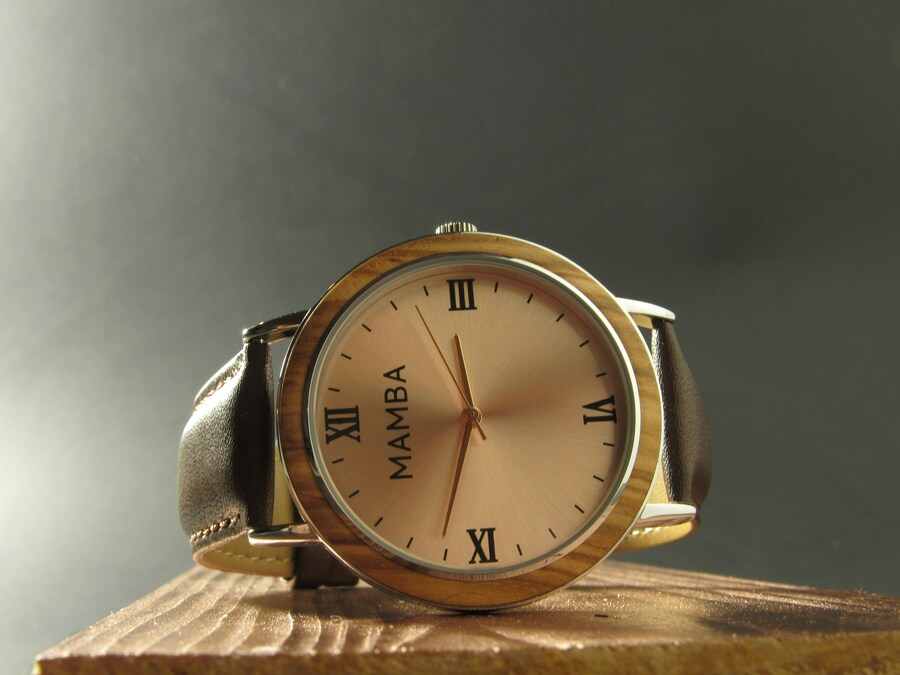
This is why certain classic watch models maintain their investment-grade status across generations. Understanding why the Rolex Datejust is a timeless classic, for instance, reveals the qualities that make any possession worthy of significant investment: it represents design that’s remained relevant since 1945, craftsmanship that ensures multi-generational durability, and brand heritage that maintains value. These aren’t accidents; they’re the result of intentional design philosophy prioritizing longevity over trend-chasing.
But here’s what most discussions of luxury acquisitions miss: the investment case isn’t primarily financial. Yes, certain pieces appreciate in value, and that’s wonderful. But the real ROI comes from decades of daily use and satisfaction. When you wear a well-crafted watch for twenty years, checking the time thousands of times, marking important moments, and eventually perhaps passing it to your child; that’s value that transcends any resale calculation.
This is where executives often get it wrong. They focus entirely on resale value or brand prestige without asking the crucial question: will I genuinely enjoy this for decades, or am I buying it because I think I should? The latter leads to drawers full of expensive regrets. The former leads to possessions that genuinely enhance daily life while holding value.
Evaluation framework for timeless acquisitions:
- Is the design truly timeless or just currently fashionable? Look at designs that have existed essentially unchanged for decades. Those have proven their staying power. Trendy designs might look great now but often feel dated quickly.
- Does the quality justify longevity? Can this realistically last 20, 30, 50 years with proper care? If not, it’s not a timeless acquisition; it’s just an expensive purchase.
- Do I have genuine personal connection to this beyond status? If you’re buying primarily because of what it signals to others rather than personal appreciation, you’re making an ego purchase, not an investment.
- Does the brand have a genuine heritage and craftsmanship reputation? Fashion brands licensing their name to products lack the heritage and craftsmanship culture that creates lasting value. Look for makers with decades or centuries of specialized expertise.
- Can I afford this without financial stress? An “investment piece” purchased through debt or that strains your budget isn’t an investment; it’s a liability. These purchases should come from excess capital, not stretch your finances.
The executives I know who are happiest with their timeless acquisitions share a common trait: they bought fewer, better pieces based on genuine appreciation rather than accumulating multiple items trying to signal success. They applied investment thinking not to maximize resale value but to ensure their significant purchases delivered decades of satisfaction.
Daily Quality: The Compound Interest of Small Luxuries
Now let’s discuss the category that often delivers the highest quality-of-life ROI but gets the least attention from a strategic perspective: daily quality investments. These are the services, subscriptions, and products that you use repeatedly; often daily; where small premiums for quality compound into significant life improvement.
The mathematics here are simple but often overlooked. Something you use once has a value-per-use equal to its total cost. Something you use daily for a year has 365 use cases, dropping the per-use cost dramatically while the compounded quality-of-life benefit increases proportionally.
Consider coffee; a seemingly trivial example that illustrates the principle perfectly. The average professional drinks coffee daily, often multiple times per day. Over a year, that’s easily 300+ consumption occasions. The difference between mediocre and excellent coffee, per cup, might be minimal. But that difference experienced 300 times creates a cumulative impact on daily satisfaction that far exceeds the marginal cost.
Yet most executives approach daily consumables with bizarre economics. They’ll spend without thinking on expensive dinners eaten once, while buying the cheapest coffee beans to save a few dollars across months of daily consumption. The per-use value calculation is completely inverted.
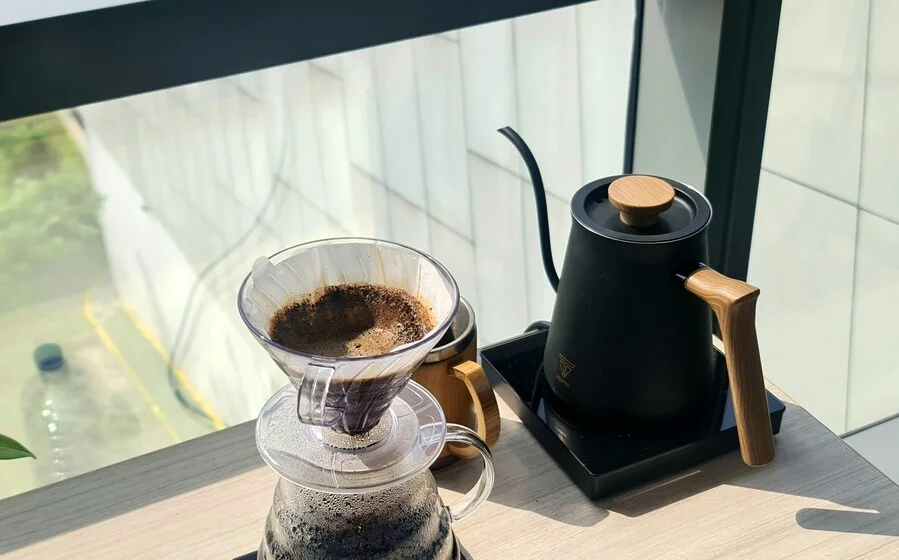
This is where convenience delivery services have genuinely transformed quality-of-life mathematics for professionals. Not because of the convenience itself; though that matters; but because they remove the friction that prevents optimal daily quality. When premium quality products require special trips to specialty stores, most people default to whatever’s available at the supermarket. When that same quality arrives automatically, the barrier disappears.
For professionals in major business centers globally, this principle applies across categories. Whether you’re looking at services like coffee bean delivery Perth businesses use or equivalent premium delivery services in London, Singapore, or New York, the value proposition is identical: removing friction from accessing daily quality that you’ll experience hundreds of times per year.
The business case for these services isn’t about laziness or status; it’s about optimizing your daily quality-of-life returns. If switching from mediocre to excellent coffee costs an extra fifty dollars monthly but improves 60+ coffee experiences, you’re paying less than a dollar per quality upgrade instance. That’s a spectacular value that most executives wouldn’t hesitate to approve of in a business context.
Evaluate daily quality investments by asking: How often is it used, how much better is it, what friction does it remove, what’s the real cost per use, and does it fit your actual lifestyle? The happiest executives invest in small daily upgrades, not rare luxuries, understanding their compounding impact on wellbeing.
Transformative Experiences: When ROI Transcends Financial Calculation
Finally, let’s discuss the investment category that’s hardest to quantify but often delivers the most profound value: transformative experiences. These are investments in travel, adventure, learning, or cultural experiences that fundamentally shift your perspective, create lasting memories, or reconnect you with what matters beyond professional achievement.
The challenge with experience investments is that they’re impossible to evaluate using traditional ROI frameworks. They depreciate to zero immediately; you can’t resell an experience. They often lack obvious utility; unlike a watch you’ll wear or coffee you’ll drink daily. And their value is entirely subjective and impossible to predict in advance.
Yet ask any successful executive to name their most valuable lifetime investments, and transformative experiences consistently rank at the top. The three-week trip through Asia that changed how they see the world. The expedition that pushed them beyond perceived physical limits. The cultural immersion that created perspectives they’ve drawn on for decades. These experiences shaped who they became in ways no possession ever could.

The business case for experience investment rests on recognizing value that transcends financial calculation. These investments don’t produce income or appreciate in value, but they generate:
- Perspective that informs better decision-making. Exposure to dramatically different environments and cultures creates mental flexibility and a broader perspective that improves judgment across all domains; including business.
- Memories and stories that appreciate rather than depreciate. Unlike possessions that become familiar and fade into background, meaningful experiences often become more valuable in memory over time. The stories get better with retelling. The perspective deepens with reflection.
- Connection and relationship deepening. Shared transformative experiences create bonds and memories that strengthen relationships in ways routine interaction never achieves.
- Personal growth and capability expansion. Pushing beyond comfort zones through challenging experiences develops confidence and resilience that transfers to other life domains.
- Renewed sense of proportion and priority. Removing yourself from daily professional context and experiencing fundamentally different environments often recalibrates what actually matters versus what seems urgent but isn’t.
The key distinction is between generic tourism and genuinely transformative experiences. Taking a luxury cruise along crowded European coastlines, staying in resort bubbles, and checking off famous sights provides relaxation but rarely transformation. These are fine vacations, but they’re not transformative experience investments.
Transformative experiences typically involve genuine remoteness, authentic cultural immersion, physical or mental challenge, expert guidance that provides context and meaning, and sufficient time to actually absorb rather than just check boxes.
Consider expedition-style travel to genuinely remote regions as an example of this principle. Options like broome cruise expeditions into Australia’s remote Kimberley wilderness represent this category: accessing environments impossible to reach independently, experiencing landscapes untouched by mass tourism, engaging with ancient cultures and geology that provide deep perspective, and doing so with expert naturalists and guides who create understanding beyond just sightseeing.

These experiences aren’t cheap, but compared to multiple conventional vacations, the cost gap is smaller; and the value far greater. Ordinary trips offer relaxation; transformative ones create lasting perspective shifts.
Evaluation framework for transformative experiences:
- Does it push you beyond comfort and routine? True transformation needs novelty and challenge, not luxury upgrades.
- Is there time for depth and reflection? Rushed trips limit impact; quality over quantity.
- Does expert guidance add meaning? Insightful context turns sights into understanding.
- Is it personally meaningful? Choose genuine curiosity over bucket-list pressure.
- Is the timing right? Some experiences depend on physical ability; others on life perspective.
The most fulfilled leaders see experience investments not as indulgence but as strategic use of success; to create meaning, not just milestones.
Integration: Building Your Personal Investment Portfolio
Timeless acquisitions, daily quality, and transformative experiences form the pillars of a fulfilling life. The happiest executives balance all three; avoiding overinvestment in possessions, routine comfort, or constant travel. True fulfillment comes from intentional lifestyle investing: valuing what you use, upgrading daily quality, and prioritizing meaningful experiences over status-driven spending.