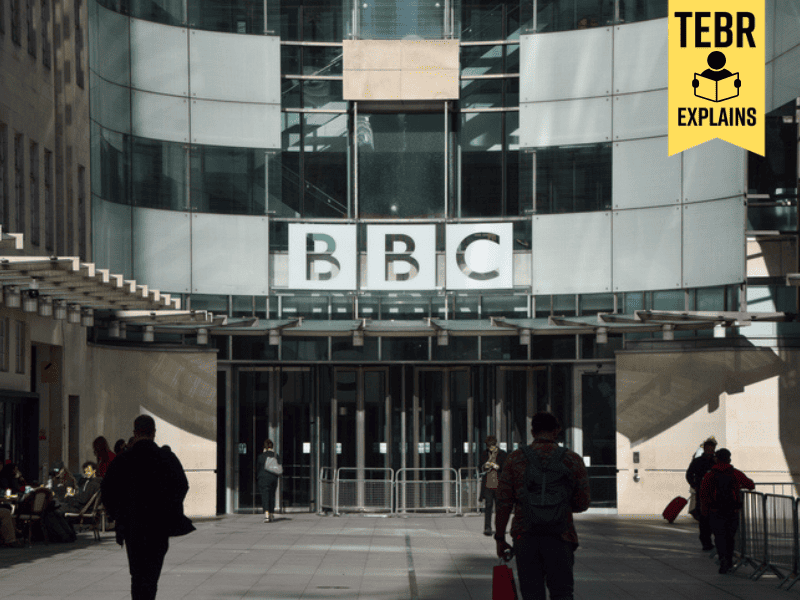
A media storm has reached international attention as Donald Trump threatens to sue the BBC for one billion dollars over its documentary on his January 6 speech. The controversy raises critical questions about journalistic responsibility, editorial decisions, and public trust while testing the resilience and impartiality of one of the world’s most respected broadcasters.
Trump Challenges the BBC Amid Global Scrutiny
Donald Trump has escalated tensions with the British Broadcasting Corporation by threatening a one billion dollar lawsuit over its 2024 documentary Trump A Second Chance?. The president claims the program misrepresented his words during the January 6, 2021 speech, combining statements to suggest a direct call for violence. The dispute has attracted international attention, prompting renewed discussion about the role of media in shaping political narratives and maintaining public trust.
The Documentary Segment That Sparked Controversy
The controversy focuses on a single segment of the BBC documentary aired just before the U.S. presidential election in October 2024. The program, praised in the United Kingdom for its in-depth coverage of Trump and the MAGA movement, initially received little attention in the United States.
The segment in question edited two statements from Trump made nearly an hour apart. The edit created the impression that Trump immediately encouraged his supporters to “fight like hell” after calling them to march to the Capitol. In reality, he first urged political solidarity and only later made the more forceful comment. BBC Chair Samir Shah later described the edit as an “error of judgment,” acknowledging that it could appear to encourage violent action.
How Internal Warnings Were Ignored
The issue became widely known after a leaked memo by Michael Prescott, a former adviser to the BBC editorial standards committee, was published by The Telegraph. The memo criticized the broadcaster for multiple editorial shortcomings and highlighted the misleading edit in the documentary.
Former BBC journalists noted that management had known about the problem for months but failed to take timely action. According to former Newsnight editor Mark Urban, ten months passed between the original broadcast and the public revelation of the issue. This delay contributed to a perception of institutional neglect and increased political pressure on the broadcaster.
Leadership Resignations Highlight Accountability
Amid growing scrutiny, BBC Director General Tim Davie and BBC News Chief Executive Deborah Turness resigned. Both acknowledged responsibility for editorial mistakes while defending the organization’s commitment to impartial reporting. Turness emphasized that allegations of systematic bias are unfounded and that errors should not overshadow the BBC’s overall integrity.
These departures underscored the high stakes for public broadcasters when even minor editorial decisions are perceived as politically charged. The incident illustrates the challenges of balancing accuracy, context, and neutrality in a polarized global media landscape.
The BBC’s Publicly Funded Model Explained
The BBC is publicly funded but not state-owned. Founded under a royal charter in 1927, it operates independently of the government and is financed through a mandatory license fee of £174.50 per household. The fee supports both television and streaming services and ensures that the broadcaster remains free from commercial pressures that influence privately funded news organizations.
The BBC’s mission has always been to inform, educate, and entertain the public while maintaining impartiality. Its position as a national institution gives it significant influence and responsibility in shaping public discourse. However, public funding also makes it a target for political criticism, particularly when editorial choices are questioned by high-profile figures like Trump.
Maintaining Impartiality in a Polarized World
Impartiality is central to the BBC’s identity, but maintaining it has become increasingly complex. Critics from both sides of the political spectrum have accused the broadcaster of bias, challenging its ability to act as a neutral source of information.
The rise of digital media and partisan news sources further complicates the BBC’s role. Where it once served as a unifying institution, it now competes in a fragmented media ecosystem. Small editorial decisions can appear highly significant, and perceived mistakes can trigger intense international scrutiny.
Legal Hurdles for a Billion Dollar Claim
Trump’s defamation threat faces legal challenges, particularly because he must demonstrate reputational harm among viewers in Florida, where he intends to file the lawsuit. Experts note that proving financial and reputational damage in this context will be difficult, given the limited U.S. audience for the documentary.
Financially, the BBC collected £5.9 billion in annual revenue, mostly from license fees, with reserves of £477 million. A payout, even smaller than Trump’s demand, would put pressure on the broadcaster. The situation also coincides with the upcoming renewal of the BBC’s royal charter in 2027, adding further stakes for public confidence and government support.
Trump’s Ongoing Media Strategy
This is not Trump’s first legal confrontation with media outlets. He previously settled defamation suits with ABC and CBS over allegedly misleading edits of interviews. Analysts note that while settlements often serve Trump’s interests in protecting his reputation, the BBC represents a more challenging opponent because of its public funding and international standing.
The case highlights the ongoing tension between political figures and media organizations, showing how editorial decisions, legal frameworks, and public perception intersect in complex ways across borders.
A Test for Media Accountability
The BBC crisis underscores the importance of transparency and editorial integrity. In an era of rapid information sharing and heightened scrutiny, even small mistakes can have far-reaching consequences. For the BBC, reaffirming independence and rebuilding trust is essential to maintaining credibility with audiences worldwide.
Trump’s billion dollar claim may or may not succeed, but the incident demonstrates the increasing stakes of media accountability. It is a reminder that public broadcasters operate in a high-pressure environment where accuracy, impartiality, and public trust are continually tested.