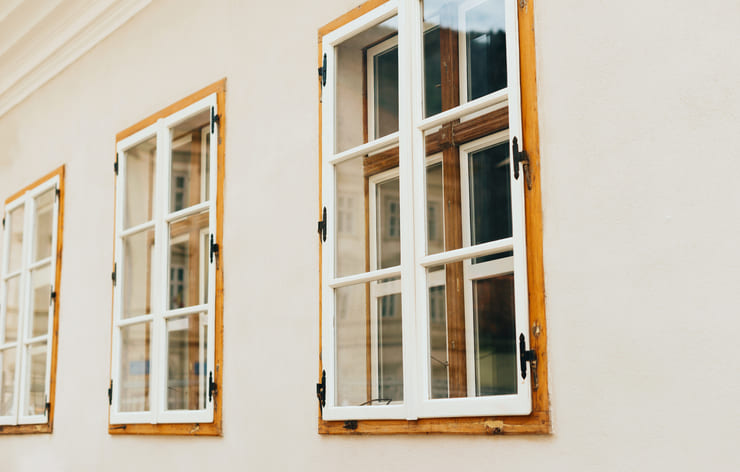
Timber sash windows have long been admired for their elegance, craftsmanship, and architectural integrity. Whether you’re restoring a period property or enhancing a modern home with traditional touches, one of the most transformative decisions you’ll make is the choice of color.
While white has historically dominated sash window aesthetics, today’s homeowners and designers are embracing a broader palette—ranging from timeless heritage hues to daring, contemporary shades. In this post, we explore the full spectrum of color trends shaping the timber sash window landscape and how to make the best choice for your property.
Why Color Matters in Timber Sash Windows
Color does more than enhance the beauty of a sash window—it communicates style, taste, and even the historical character of a building. For traditional homes, the right color can preserve architectural authenticity. For modern renovations, it can offer a striking contrast or help blend new additions seamlessly with the old.
Beyond aesthetics, color also affects how your home feels—both inside and out. The window frames act as visual transitions between interior and exterior, and their tone can either complement or clash with the rest of your palette.
Timeless Classics: Traditional Colors That Never Go Out of Style
1. White and Off-White
Unquestionably the most iconic choice for timber sash windows, white offers a crisp, clean finish that suits almost every architectural style. It enhances natural light, pairs effortlessly with any exterior material, and aligns well with conservation requirements in historic areas. Off-white tones, such as ivory or cream, offer a slightly softer, more nuanced look without straying too far from tradition.
2. Heritage Green
Often seen in Georgian and Victorian properties, heritage green adds depth and sophistication while maintaining historical integrity. It works beautifully with red or yellow brick and is frequently approved in conservation areas.
3. Muted Greys and Taupes
For a subtle and understated appearance, soft grey or taupe offers a neutral elegance. These tones feel more modern while still echoing the subdued palettes of the past. Ideal for period properties that want a refreshed, timeless feel.
Nature-Inspired Neutrals for Modern Rustic Appeal
As sustainability and biophilic design trends grow, so too does the popularity of earthy, nature-inspired tones. Think shades of clay, sand, moss, and sage green—colors that evoke the natural world and foster a sense of calm.
These hues pair exceptionally well with traditional materials like stone, slate, and untreated timber. They’re a favorite in countryside homes, cottages, and eco-conscious builds that aim to blend into their surroundings rather than stand out.
Bold Accents: Color Trends Making a Statement
While subtlety has its place, a growing number of homeowners are opting for bolder colors to express individuality and enhance curb appeal. These choices work particularly well on newer builds, urban homes, or as standout accents on otherwise neutral exteriors.
1. Navy Blue
A modern classic, navy brings a sophisticated edge to timber sash windows. It’s bold yet timeless, offering a dramatic contrast against lighter exteriors and pairing elegantly with brass hardware.
2. Charcoal and Black
Once considered too stark, black and deep charcoal have emerged as top choices for contemporary homes. These hues offer sharp contrast, a sense of luxury, and are surprisingly versatile. They also frame views beautifully from the inside.
3. Burgundy and Deep Reds
For homes aiming to channel historical charm with personality, deep reds or burgundy shades make a bold yet appropriate statement. They’re particularly fitting for Edwardian-style buildings and work wonderfully with darker bricks or stone.
4. Soft Pastels
Pastels like duck egg blue, lavender, or blush pink are making waves in design-forward circles. They bring a whimsical charm to smaller cottages or creative spaces while adding personality without overwhelming the architecture.
Factors to Consider Before Choosing a Color
Selecting the right color for timber sash windows goes beyond personal taste. Here are a few essential factors to consider:
- Architectural Style: Georgian homes often suit whites and greens, while Victorian properties can support deeper, richer tones. Contemporary homes offer more freedom.
- Surrounding Materials: Brickwork, roof tiles, and exterior finishes should inform your window color choice to ensure visual harmony.
- Interior Coordination: Window frames are visible from the inside—make sure your chosen color works with interior décor as well.
- Lighting Conditions: Sunlight affects how colors appear. South-facing windows may intensify certain shades, while shaded areas might dull them.
- Local Regulations: If your property is listed or in a conservation area, traditional colors may be required. Always check with local authorities before choosing bold hues.
Trending Finishes: Matte, Gloss, or Satin?
The finish of your paint is just as impactful as the color itself. Here’s how they compare:
- Matte: Low-sheen and modern, matte finishes are popular for their understated look. They suit contemporary homes and reduce glare but may show dirt more easily.
- Satin (Eggshell): A happy medium—satin provides durability with a soft sheen, making it a popular choice for both classic and modern sash windows.
- Gloss: Traditional and reflective, gloss finishes highlight detailing and are historically accurate, but can feel dated in minimalist or modern settings.
Advancements in paint technology now allow for breathable, long-lasting finishes that protect the timber beneath while offering UV resistance and reduced maintenance.
Expert Tips for Long-Lasting Results
To ensure your chosen color stands the test of time, follow these best practices:
- Use High-Quality, Breathable Paints: Specifically designed for timber, these paints allow moisture to escape without compromising durability.
- Proper Surface Prep: Sanding, priming, and treating the timber ensures better paint adhesion and prevents peeling or cracking.
- Choose Weather-Resistant Formulas: Exterior paint should withstand moisture, temperature shifts, and UV exposure.
- Regular Maintenance: Repainting every 5–7 years, or sooner in high-exposure areas, keeps your sash windows looking their best and protected from the elements.
Conclusion
Color is one of the most powerful tools in enhancing the beauty, performance, and individuality of your timber sash windows. Whether you opt for a time-honored white, a heritage green, or a daring navy or charcoal, today’s palette allows you to preserve tradition while embracing personal style.
As trends evolve, so does the freedom to mix historic charm with modern flair—ensuring your sash windows make a statement that lasts.
Disclaimer: This article contains sponsored marketing content. It is intended for promotional purposes and should not be considered as an endorsement or recommendation by our website. Readers are encouraged to conduct their own research and exercise their own judgment before making any decisions based on the information provided in this article.