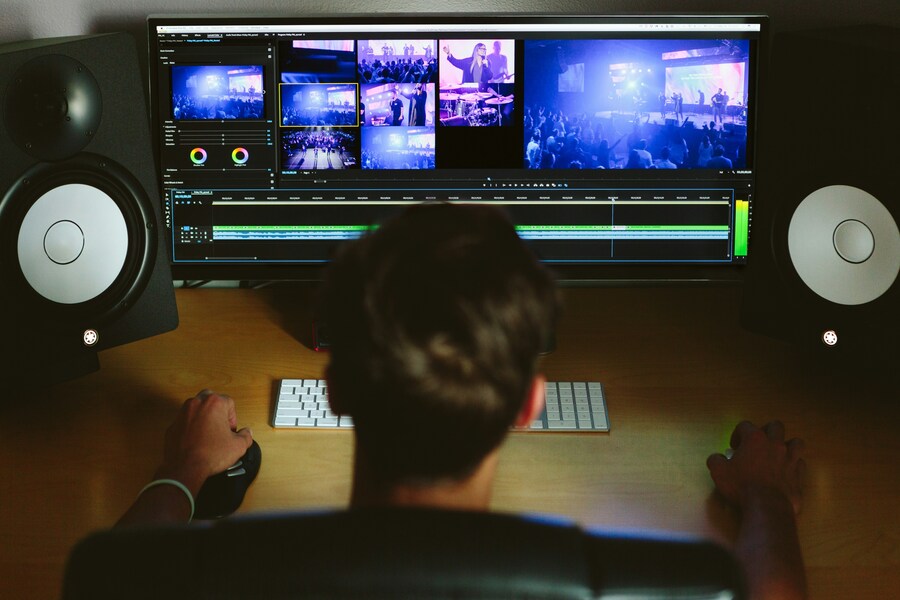
Discover how broadcast automation is changing the media landscape
The media industry has long been shaped by technological innovation, but few changes have been as profound as the rise of broadcast automation. As broadcasters face growing demands for efficiency, scalability, and adaptability, automation technologies are transforming the way content is produced, managed, and delivered. In particular, the shift toward remote media operations is redefining what’s possible, allowing broadcasters to maintain high-quality service while operating in increasingly flexible and decentralized environments.
The evolution of broadcast workflows
Traditional broadcast workflows have historically been reliant on centralized, physical facilities packed with costly hardware and staffed by specialized teams. These environments required substantial investment, both in infrastructure and human resources, and were often limited in their ability to adapt quickly to new operational needs or unexpected disruptions.
However, the rapid rise of streaming services, coupled with advances in cloud computing and IP-based technologies, has introduced new operational models. Now, broadcasters are no longer tethered to physical locations; they can manage, schedule, and distribute content from virtually anywhere.
At the heart of this transformation is broadcast automation – systems designed to automate routine tasks such as content scheduling, playout management, and even quality control. By reducing the need for manual intervention, these solutions streamline operations, improve reliability, and free up staff to focus on more strategic activities.
Remote media operations: from trend to necessity
Remote operations are not just a contingency plan; they are an integral part of future-ready broadcasting strategies. Teams spread across different cities – or even continents – can collaborate seamlessly on content production and distribution. Master control rooms can be virtualized, and cloud-based playout systems can be accessed securely from home offices or remote production hubs.
This model offers significant advantages. It reduces operational costs by minimizing the need for large, centralized facilities. It also provides broadcasters with greater flexibility to scale operations up or down based on demand. For example, a broadcaster can quickly spin up a pop-up channel for a major event without the logistical challenges that would have been required in a traditional setup.
Key technologies enabling the shift
Several critical technologies have made remote media operations viable on a large scale. Cloud computing plays a central role, allowing broadcasters to store and process massive volumes of media assets securely and efficiently. Virtualization technologies enable broadcasters to replace dedicated hardware appliances with flexible, software-based solutions that can be managed from anywhere.
Furthermore, advanced security protocols ensure that remote operations are not vulnerable to unauthorized access or data breaches. With the right cybersecurity measures, broadcasters can operate with confidence, knowing that their content and operations are protected.
The role of broadcast automation in remote workflows
As remote operations become the norm, the importance of broadcast automation continues to grow. Automated scheduling systems ensure that content is delivered precisely when and where it’s supposed to be, even without direct oversight. Automated failover mechanisms provide redundancy, minimizing the risk of service interruptions.
Artificial intelligence and machine learning are increasingly being integrated into automation workflows as well. These technologies can help optimize ad placement, predict audience preferences, and enhance content recommendations – all without human intervention. As a result, broadcasters can not only maintain but also enhance the quality and personalization of their services.
Automation also improves workforce management. Staff no longer need to be physically present at a broadcast facility; they can monitor operations, troubleshoot issues, and manage assets from anywhere. This decentralization can lead to improved work-life balance for employees while still meeting the 24/7 demands of modern media consumption.
Looking ahead: a hybrid future
While remote operations offer many benefits, the future is likely to be hybrid. Some aspects of media production, such as live event coverage or high-end studio shoots, may still require physical presence. However, many back-end processes – from playout to content archiving – will continue migrating to the cloud.
Broadcasters who embrace broadcast automation and remote workflows now are positioning themselves for success in a rapidly evolving landscape. They can respond faster to market demands, launch new services more easily, and operate with greater efficiency and flexibility.
As technology continues to advance, concepts like edge computing, AI-driven production, and 5G-enabled remote collaboration will push the boundaries even further. Broadcasters who invest today in agile, automated infrastructures will be well-equipped to meet the challenges – and opportunities – of tomorrow.