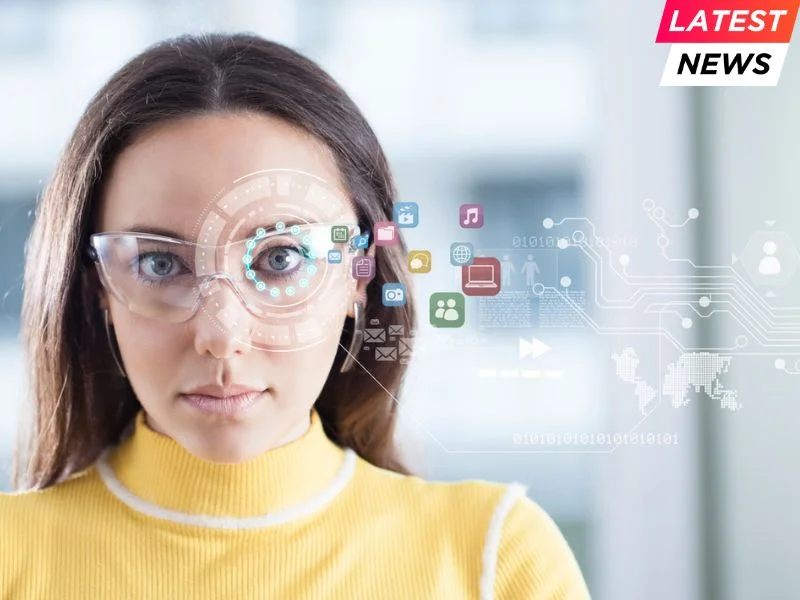
Over a decade after Google Glass stumbled, tech giants are giving smart glasses another shot — and this time, artificial intelligence could be the game-changer.
Snap recently confirmed plans to launch AI-powered eyewear by 2026, joining Google, Meta, Amazon and reportedly Apple in a renewed push to develop intelligent glasses that can interact with the world in real time. These devices aim to do more than play music or take hands-free photos. With advanced AI, they can analyze what a user sees and hears, then offer instant, relevant answers.
This new momentum reflects two key shifts: a slowdown in smartphone innovation and the rapid rise of generative AI. Companies are racing to embed these powerful tools into new hardware, hoping smart glasses will become the next big leap in personal tech.
Meta’s latest Ray-Ban glasses, for example, can translate speech and identify objects. Google recently showed off glasses that remember what the wearer has seen and can answer questions based on those memories. Apple is reportedly developing its own version, while Snap says its upcoming Specs will be designed to “understand the world around you.”
“The smartphone forced us to look down,” Snap said in a blog post. “Now we’re building technology that encourages us to look up.”
Market projections suggest the timing might be right. According to ABI Research, global shipments of smart glasses could rise from 3.3 million this year to nearly 13 million in 2026. IDC estimates the number could reach 14 million by that time.
But challenges remain. Google Glass failed in part due to privacy fears and clunky design. Today’s models include visible indicators when recording, but concerns persist. Cost is another issue — current smart glasses sell for around $300, a price that may be hard to justify for casual users.
Still, industry experts believe the long-term payoff could be massive. “Many believe the smartphone will eventually be replaced by glasses or similar devices,” said Jitesh Ubrani, an IDC analyst. “It won’t happen overnight, but no one wants to be left behind.”
With smarter software, better hardware and a clearer sense of purpose, smart glasses might finally have their moment.
Related Readings: