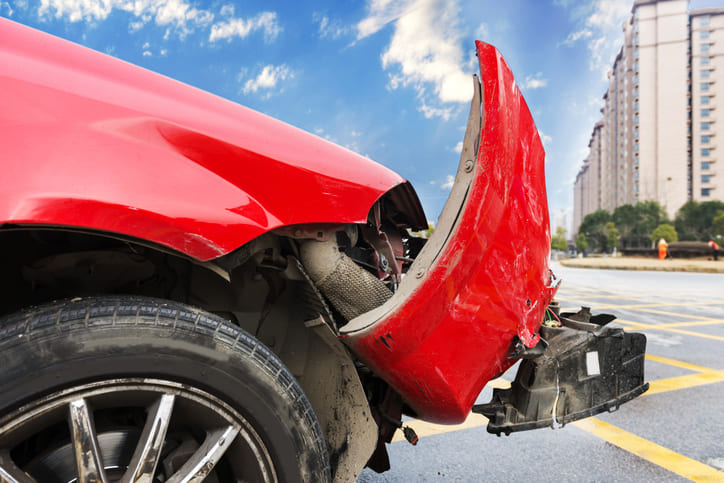
One wrong turn, a sudden brake, or a driver who fails to stop can change an ordinary journey in seconds. After a car accident, you may be left with a damaged vehicle, unanswered questions, and no clear idea of what to do first.
Acting in a rush can make things harder, so take a breath and focus on what needs attention. Knowing what you should do after a car accident can help you protect your safety, gather useful evidence, and understand how to file a claim after a car accident. Start with these seven actions.
1. Check for Injuries and Move to Safety
Your safety comes first after a collision. Check yourself and your passengers for injuries, and look at the other people involved only if it is safe to do so. If anyone is hurt or there is a serious danger, call emergency services for help.
If your vehicle is blocking traffic, move it to a safer place only if it can be driven safely and doing so is appropriate. Turn on your hazard lights to warn other drivers. If you cannot move the car, stay away from traffic and follow the emergency operator’s instructions.
2. Contact the Police When Needed
A police report can provide an official record of the crash. Contact the police if someone is injured, a driver leaves the scene, or there is another serious concern. Reporting rules and damage limits vary by location, so check the local requirements.
Give the officers clear and honest details about what happened. Share what you saw rather than guessing about the cause of the crash. Ask how you can get a copy of the report or obtain its reference number, as your insurer may request these details later.
3. Exchange Information With the Other Driver
After checking for injuries and making the area safe, exchange details with the other driver. Keep the conversation calm and focus on the facts instead of arguing about who caused the collision.
Collect the following information:
- Full names and contact details of the drivers.
- Driving licence and vehicle registration details.
- Insurance company names and policy information, where available.
- Vehicle makes, models, and colours.
If the other driver refuses to share details or becomes aggressive, avoid a confrontation and contact the police. Do not admit fault or make promises about payment at the scene. The cause of the accident may need a closer review before responsibility can be determined.
4. Gather Evidence at the Scene
Photos and notes can help you remember details that may be hard to recall later. If it is safe, take pictures of the damaged vehicles, number plates, road signs, traffic signals, and the wider scene. Capture different angles so the damage is easy to see.
Write down the date, time, location, weather, and anything you remember about how the crash happened. If anyone saw the collision, ask for their contact details. Keep your notes and photographs in one place so you can find them easily when speaking with your insurer or other professionals.
Never put yourself in danger to collect evidence. Your safety matters more than getting the perfect photograph.
5. Get Medical Attention
You may feel fine after a crash and still have an injury that needs care. Some problems, including whiplash and certain head injuries, may not cause clear symptoms straight away. If you notice pain, dizziness, headaches, confusion, or unusual discomfort, seek medical attention promptly.
A healthcare professional can check your condition and advise you on treatment. Follow their instructions and keep copies of medical reports, prescriptions, and bills. If symptoms become severe or you believe you have a serious injury, seek emergency help.
Do not ignore pain simply because the accident seemed minor. Your health needs proper attention, even if the damage to your car looks worse than anything you can feel.
6. Notify Your Insurance Company
Contact your insurer as soon as reasonably possible and follow the reporting deadline in your policy. Explain what happened, provide the information you have collected, and ask which forms or documents are needed to start the claim.
Keep copies of repair estimates, photographs, medical records, and messages about the accident. Before agreeing to repairs or signing claim documents, check your policy terms and ask your insurer to explain anything you do not understand. Your cover, excess, and claim process will depend on your policy and the circumstances of the crash.
7. Review Your Options Before Settling a Claim
A quick settlement may sound appealing, especially if you want to get your car repaired and return to your routine. However, you should understand the full extent of your injuries, expenses, and other losses before agreeing to a final payment.
Keep records of medical costs, vehicle repairs, lost income, and other expenses linked to the accident. If the other driver disputes responsibility, your injuries are serious, or the insurer challenges your claim, consider speaking with a qualified legal professional about your options.
Take the Next Step With Care
Knowing what you should do after a car accident can help you handle the situation in a clear and organized way. Put safety first, report the crash when required, collect useful evidence, seek medical care, and keep accurate records. These steps can also help you prepare to file a claim after a car accident with the relevant information.
If questions about fault, insurance, or compensation arise, seek help from the appropriate professional before making important decisions.