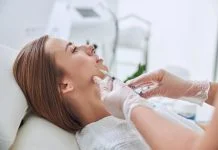
Aesthetic treatments have become a common part of modern healthcare. More people are exploring options such as injectables, skin rejuvenation, laser procedures, and other non-surgical treatments to address cosmetic concerns and feel more comfortable with their appearance. At the same time, patients are becoming more thoughtful about where they receive these services and who is responsible for their care.
The change is noticeable. Patients are no longer looking only for attractive treatment rooms or impressive before-and-after photos. They want to know that the professionals providing their care understand their health, can explain their options clearly, and take appropriate precautions before recommending a procedure. This shift has increased the role of healthcare providers in the aesthetic industry and encouraged stronger partnerships between medical professionals and aesthetic practices.
A More Informed Approach to Aesthetic Care
People considering cosmetic procedures often have plenty of information at their fingertips. They can research treatments online, compare different techniques, and read about other patients’ experiences before booking an appointment. While access to information can be helpful, it can also make it difficult to separate useful guidance from marketing claims.
Healthcare providers can help patients make sense of their options by bringing a clinical perspective to the conversation. Instead of focusing only on what a treatment can do aesthetically, they can consider whether it is appropriate for the individual’s health history, goals, and circumstances.
This encourages a more thoughtful approach to cosmetic care, where the patient’s overall well-being remains part of the discussion.
Why Medical Expertise Matters
Aesthetic procedures may be minimally invasive, but they are still performed on real people with different health needs. A patient’s medications, allergies, previous procedures, skin condition, and medical history can all be relevant when developing a treatment plan.
Healthcare providers help practices look at these details before proceeding. Their involvement can support:
- More complete patient assessments.
- Individualized treatment recommendations.
- Better patient education.
- Clearer expectations about outcomes.
- More consistent follow-up care.
- Stronger safety protocols.
This added clinical perspective helps patients feel that their treatment is being considered as part of a larger picture rather than as an isolated cosmetic service.
The Benefits of Physician Collaboration
The relationship between a physician and an aesthetic practice can be valuable for both patients and providers. A physician can offer medical insight, while other qualified team members contribute their expertise in patient care and aesthetic techniques.
For practices that want to find a collaborating physician, it is helpful to look beyond credentials alone. A strong partnership depends on communication, shared expectations, professionalism, and a commitment to patient-centered care.
When the relationship works well, collaboration can help a practice:
- Establish clearer clinical procedures.
- Improve communication across the care team.
- Review treatment protocols as services evolve.
- Strengthen patient education and informed decision-making.
- Create a more consistent standard of care.
The goal is not to make aesthetic medicine complicated. It is to create a system in which different healthcare professionals can contribute their strengths while keeping the patient’s needs at the center.
Helping Patients Choose Treatments More Carefully
Aesthetic medicine offers many options, and having more choices can sometimes make decisions harder. Patients may be interested in several procedures at once or feel pressure to pursue a treatment because it is currently popular.
Healthcare providers can help slow the process down and encourage realistic conversations.
A thoughtful consultation may involve:
- Understanding what the patient hopes to change.
- Discussing previous treatments and results.
- Reviewing relevant health information.
- Comparing appropriate treatment options.
- Explaining potential benefits and limitations.
- Setting reasonable expectations.
This approach can make patients feel more comfortable asking questions and deciding whether a treatment is genuinely right for them.
Building Trust Through Better Communication
Trust has always been important in healthcare, and aesthetic medicine is no different. Patients are more likely to feel comfortable when providers listen carefully and explain procedures in plain language.
Good communication can make a significant difference before and after treatment. Patients should know what a procedure involves, what recovery may look like, and when they should contact the practice if something seems unusual.
Healthcare providers can strengthen that experience by making education a regular part of the patient journey rather than treating it as a quick conversation before the procedure.
Supporting Responsible Aesthetic Innovation
The aesthetic field changes quickly. New devices, techniques, injectables, and wellness services are continually introduced. Innovation can give patients more options, but new services should be considered carefully before becoming part of a practice’s treatment menu.
A collaborative healthcare team can evaluate new offerings from several perspectives, including patient needs, provider training, clinical protocols, and appropriate follow-up.
This is especially valuable when practices begin offering services that cross the traditional boundaries between cosmetic care and wellness. For example, treatments involving tirzepatide injections require thoughtful patient evaluation, clear education, and appropriate medical oversight rather than being presented as a simple cosmetic add-on.
The same principle applies across the industry: new treatments should be introduced with the right preparation and attention to patient needs.
The Importance of Proper Patient Evaluation
A strong patient experience begins with an appropriate evaluation. Before a treatment or wellness service is recommended, healthcare providers may need to assess whether it is suitable for the individual and whether additional medical considerations need to be addressed.
Practices may also encounter specific requirements surrounding patient evaluations, prescribing, documentation, supervision, and informed consent. Clinics researching a good faith exam for clinics should review current rules that apply to their services and professional structure rather than relying on assumptions.
Understanding these responsibilities helps practices create more reliable processes and reinforces the importance of qualified medical involvement.
How Collaboration Benefits the Practice
Physician collaboration can also support the broader development of an aesthetic practice. When healthcare providers communicate regularly, practices can identify gaps in their processes and make improvements over time.
Benefits may include:
- Greater professional credibility.
- Improved staff confidence.
- More organized clinical workflows.
- Better continuity of patient care.
- Stronger relationships with returning patients.
- A more consistent reputation for quality.
These benefits can contribute to sustainable growth without losing sight of the purpose behind aesthetic medicine: helping patients reach their goals through responsible, individualized care.
A Shift Toward Patient-Centered Aesthetic Medicine
The growing involvement of healthcare providers reflects a larger change in how people think about cosmetic treatments. Patients increasingly want care that combines aesthetic expertise with medical understanding. They want to be treated as individuals, not simply as a list of procedures.
Physician collaboration can help practices meet those expectations by bringing clinical knowledge, communication, and structured care into the aesthetic setting. It can also give patients greater confidence that their goals are being considered alongside their health and safety.
As the industry continues to evolve, this approach is likely to remain important. The future of aesthetic medicine is not only about newer treatments or better technology. It is also about building stronger healthcare teams, encouraging informed decisions, and creating experiences in which patients feel heard and well cared for.
Disclaimer: This article contains sponsored marketing content. It is intended for promotional purposes and should not be considered as an endorsement or recommendation by our website. Readers are encouraged to conduct their own research and exercise their own judgment before making any decisions based on the information provided in this article.