For many businesses, the conversation around renewable energy has focused almost entirely on solar power. Rooftop panels have become a familiar sight on offices, warehouses, and industrial buildings, offering an accessible way to reduce electricity costs and demonstrate environmental responsibility.
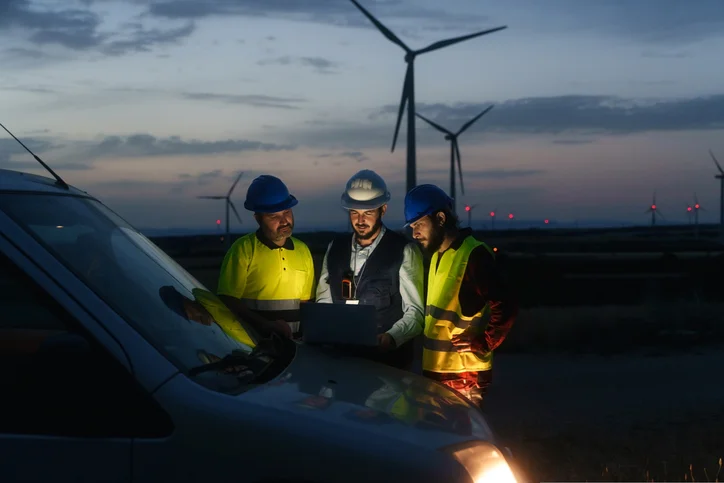
However, renewable energy technology has evolved significantly in recent years. Businesses are beginning to realise that relying on a single solution may not always provide the best long-term return. Wind energy, once seen as something reserved for large utility companies or remote wind farms, is increasingly being considered by organisations looking to strengthen their energy strategy.
As energy prices remain unpredictable and sustainability targets become more ambitious, it may be time for businesses to take another look at what wind power can offer.
Why Wind Deserves Fresh Consideration
Older perceptions of wind energy often centred around high costs, planning challenges, and limited suitability for commercial sites. While these factors can still apply in certain situations, advances in technology have made modern wind systems more efficient, reliable, and adaptable.
For businesses located in rural or semi-rural areas, wind can generate substantial amounts of electricity throughout the year. Unlike solar panels, which only produce energy during daylight hours, wind turbines can continue generating electricity whenever wind conditions are favourable, including during evenings and winter months. This complementary generation profile makes wind an attractive option for organisations seeking greater energy resilience.
Looking Beyond Installation Costs
One of the biggest reasons businesses hesitate to explore wind energy is the initial investment. While installation costs can be significant, focusing solely on upfront expenses often overlooks the bigger financial picture.
When evaluating renewable energy projects, businesses should also consider:
- Long-term reductions in electricity bills
- Protection against rising energy prices
- Potential operational savings over decades
- Improved sustainability credentials
- Increased energy independence
A properly planned wind project should be viewed as a long-term infrastructure investment rather than simply another business expense.
Not Every Site Is Suitable, And That’s Okay
Unlike solar panels, wind turbines cannot simply be installed almost anywhere with the expectation of delivering strong performance. Wind speed, surrounding terrain, nearby buildings, local planning regulations, and environmental considerations all influence whether a project is viable. This makes professional assessment especially important.
Working with experienced specialists such as Renewables First allows businesses to understand whether wind energy genuinely makes sense for their location before committing significant investment. Independent guidance helps avoid costly mistakes while ensuring projects are designed around realistic performance expectations.
Wind and Solar Can Work Better Together
Rather than viewing wind as a replacement for solar, many businesses are beginning to see the value of combining both technologies.
Solar generation typically reaches its peak during bright summer days, while wind energy often performs well during colder, cloudier periods when solar output naturally decreases. Together, these technologies can create a more balanced renewable energy system that delivers electricity across a wider range of weather conditions. This hybrid approach can reduce dependence on the electricity grid while improving overall energy security throughout the year.
Supporting Sustainability Goals
Environmental commitments are becoming increasingly important for organisations of every size. Customers, investors, employees, and supply chain partners all expect businesses to demonstrate meaningful action towards reducing carbon emissions. Investing in renewable energy can support these goals while offering practical operational benefits. Wind energy can contribute significantly to carbon reduction strategies, particularly for organisations with high electricity consumption or facilities located in suitable environments.
For businesses working towards net-zero targets, exploring every viable renewable option is becoming part of responsible long-term planning.
Planning for the Future
Renewable energy decisions should not be based solely on today’s electricity prices. Businesses that invest strategically are often thinking years or even decades ahead. Factors such as future energy demand, electrification of vehicle fleets, expansion plans, and evolving sustainability regulations may all increase electricity consumption over time. Installing renewable generation now can help businesses prepare for these future demands while reducing exposure to market volatility. A careful feasibility study allows decision-makers to understand whether wind energy fits into their broader operational and financial objectives.