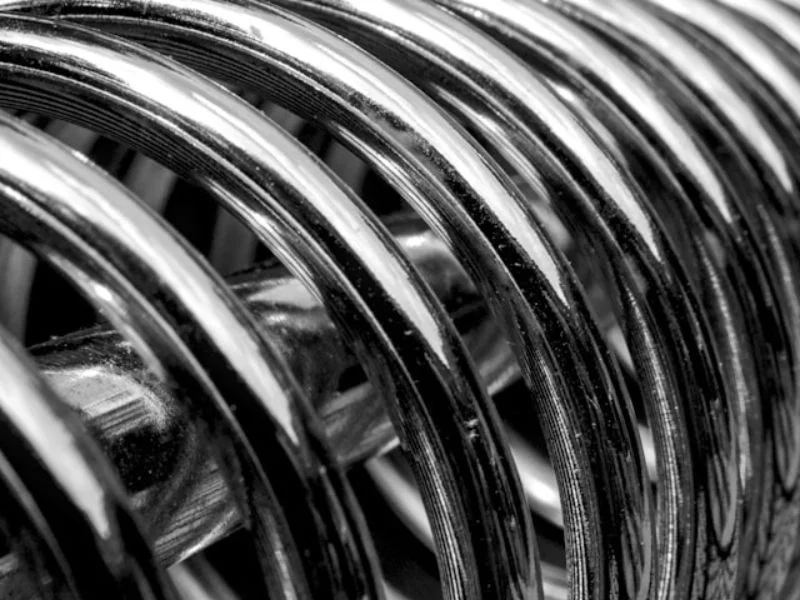
Applying the right coating to a component’s surface can completely transform its technical properties and significantly extend its service life. In advanced engineering projects, bare copper or aluminium are often insufficient to withstand extreme thermal and electrical loads. Precisely coating metals with additional layers enables the safe transmission of energy while protecting complex systems against degradation.
When Copper and Aluminium Need Support
Although widely used across industry, copper and aluminium can oxidise and wear rapidly in aggressive environments. Is the raw material alone enough to guarantee the reliable operation of a system exposed to continuous stress? This is precisely why electroplating—the electrochemical deposition of a thin layer of another metal—is so important.
In an electrolytic bath, an electric current causes metal ions to migrate from the anode and permanently deposit onto the component, creating a strong, integrated surface structure.
Before the final coating is applied, the component undergoes rigorous preparation. This includes cleaning, degreasing and etching, which effectively remove the outer oxide layer. Eliminating even the smallest contaminants is essential to ensure strong coating adhesion and prevent peeling during service.
This process differs fundamentally from electroforming. In electroplating, an existing component is modified rather than manufactured from scratch in a dedicated mould.
Innovative Methods and Techniques
Coating the entire surface of a component is not always necessary, depending on the design specifications. Specialist electroplating facilities use selective plating, in which the protective layer is applied only to specific contact points. This approach optimises operating costs without compromising performance.
Another method involves applying an initial, ultra-thin strike layer. This strike plating process significantly improves adhesion before the final functional coating is deposited.
Modern electroplating lines can process aluminium or copper busbars up to 2000 millimetres long. Depending on the technical requirements, the applied coating can range from 1 to 50 micrometres in thickness. This range enables physical properties to be tailored with exceptional precision to the environment in which a particular component will ultimately operate.
Maximum Conductivity and Resistance
Electric mobility and telecommunications rely on efficient, low-loss current transmission. Wherever large electrical loads must flow reliably, precisely applied silver plating minimises the risk of failures and energy losses.
Silver has the highest electrical and thermal conductivity of all known metals. As a result, it substantially reduces contact resistance and facilitates the efficient dissipation of accumulated heat from the system.
A silver coating also protects components against oxidation caused by extreme temperatures. How else can critical components be protected against degradation while maintaining such high transmission capacity? Thanks to this deposited barrier, high-voltage connectors, sensors in electric vehicles and waveguides can retain their intended performance characteristics.
In addition, silver has natural antibacterial properties, which help maintain hygiene during the manufacture of medical equipment.
Combining Technologies for Tangible Benefits
Advanced engineering projects often require a combination of several protection methods. Composite coating systems meet these requirements by combining electroplating with powder coatings, such as epoxy or polyester finishes.
In addition to silver, industry also makes extensive use of tin, which reduces the coefficient of friction, and nickel, which significantly hardens the surface. This combination preserves excellent conductivity at contact points while ensuring effective electrical insulation across the rest of the component.
Coating copper and aluminium parts with a new protective layer delivers immediate improvements in operating performance:
- Reduced energy losses in vehicle charging stations and switchgear due to improved conductivity.
- Creation of an effective corrosion barrier for parts operating in aggressive or humid environments.
- Faster heat dissipation in heavily loaded systems, protecting them against dangerous overheating.
- Increased surface hardness and improved resistance to wear in heavily used components.
- Antimicrobial properties in equipment used daily in sterile environments.
Every component in modern electronic equipment or power-distribution systems must meet demanding standards. Depositing coatings made of precious and semi-precious metals is a technological foundation for preventing failures across entire infrastructures.
A precisely applied protective coating enables complex systems to operate efficiently, reliably and continuously for many years of service.
Disclaimer: This article contains sponsored marketing content. It is intended for promotional purposes and should not be considered as an endorsement or recommendation by our website. Readers are encouraged to conduct their own research and exercise their own judgment before making any decisions based on the information provided in this article.