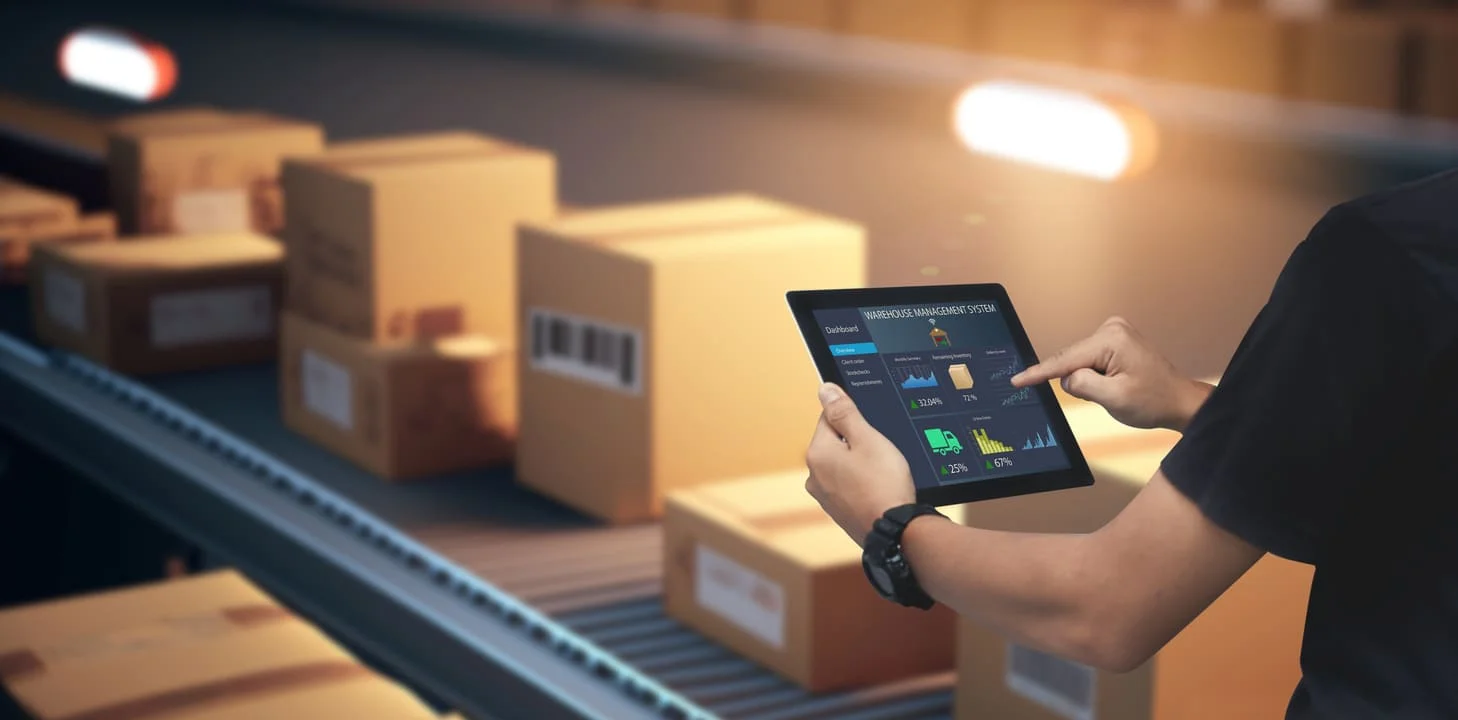
Customer expectations have changed dramatically over the last few years. Fast delivery, accurate tracking and smooth collection options are no longer viewed as added extras. They are now expected as part of a reliable service. For modern businesses, this shift has forced many companies to rethink how they manage deliveries from start to finish.
Whether operating in retail, offices, residential developments or logistics, organisations are under pressure to create delivery systems that are more efficient, secure and convenient. Traditional methods that relied heavily on reception teams, manual handling and paper-based tracking are starting to show their limitations. As parcel volumes continue to rise, businesses are realising that outdated delivery processes can slow operations down and negatively affect customer satisfaction.
Rising Parcel Volumes Are Creating New Challenges
The increase in online shopping and hybrid working has transformed how deliveries move through businesses and shared spaces. Offices are now receiving personal deliveries alongside business packages, while residential buildings often deal with hundreds of parcels every week.
Managing this volume manually creates several problems. Staff may spend valuable time sorting parcels, handling missed collections or tracking down lost items. Storage areas can quickly become overcrowded, leading to confusion and security concerns. In busy environments, even a small delay can create frustration for both employees and customers.
This has encouraged businesses to explore smarter ways to manage incoming and outgoing deliveries without increasing operational pressure.
Convenience Has Become a Competitive Advantage
Modern consumers expect flexibility. They want delivery options that fit around busy lifestyles rather than strict schedules. Businesses that can offer convenient collection and return solutions are often viewed more positively by customers and employees alike.
This is one reason why many organisations are investing in technology such as smart locker systems to simplify delivery management. These systems allow parcels to be securely stored and collected at a convenient time, reducing the need for constant staff involvement while improving the user experience.
The convenience factor also extends to employees within workplaces. Hybrid working patterns mean staff are not always present to receive deliveries during traditional office hours. Flexible collection solutions help remove unnecessary friction and create a smoother daily experience.
Security Concerns Are Driving Change
Lost or stolen parcels can quickly damage trust. Businesses handling large numbers of deliveries must ensure items are stored safely and tracked properly throughout the collection process.
Manual systems often leave room for mistakes. Parcels may be misplaced, signed for incorrectly or left unsecured in communal areas. This creates risks not only for businesses but also for employees, residents and customers expecting reliable service.
Modern delivery management solutions help improve visibility and accountability. Automated notifications, digital tracking and secure storage systems provide clearer records and reduce the likelihood of human error. This added level of security is becoming increasingly important as delivery volumes continue to rise.
Businesses Want Greater Efficiency
Time is one of the biggest operational costs for any organisation. Reception teams and facilities staff can spend hours every week dealing with parcel-related tasks that take attention away from more valuable responsibilities.
By streamlining delivery management, businesses can reduce administrative workloads and improve overall efficiency. Automated systems minimise manual handling, speed up parcel processing and reduce queues or delays at collection points.
For growing businesses, scalability is another important factor. Delivery processes that work for a small office may struggle under higher demand. Investing in smarter infrastructure allows organisations to handle increasing parcel volumes without constantly expanding staffing requirements.
Sustainability Is Also Influencing Decisions
Sustainability goals are now shaping operational decisions across many industries. Businesses are looking for ways to reduce unnecessary transport journeys, minimise waste and improve energy efficiency.
Smarter delivery management can support these goals by reducing failed delivery attempts and encouraging consolidated collection points. Efficient parcel handling also helps reduce clutter, unnecessary packaging movement and repeated courier visits.
Customers increasingly appreciate brands that prioritise practical sustainability improvements. Efficient delivery systems can therefore support both environmental targets and brand reputation at the same time.
The Future of Delivery Management
Delivery management is no longer viewed as a simple back-office function. It has become an important part of customer experience, workplace efficiency and operational strategy.
As parcel volumes continue to grow and expectations evolve, businesses are recognising the value of modern, technology-driven solutions. Companies that adapt early are likely to benefit from smoother operations, stronger security and improved customer satisfaction.
The way businesses handle deliveries today plays a major role in shaping how efficient, reliable and future-ready they appear tomorrow.