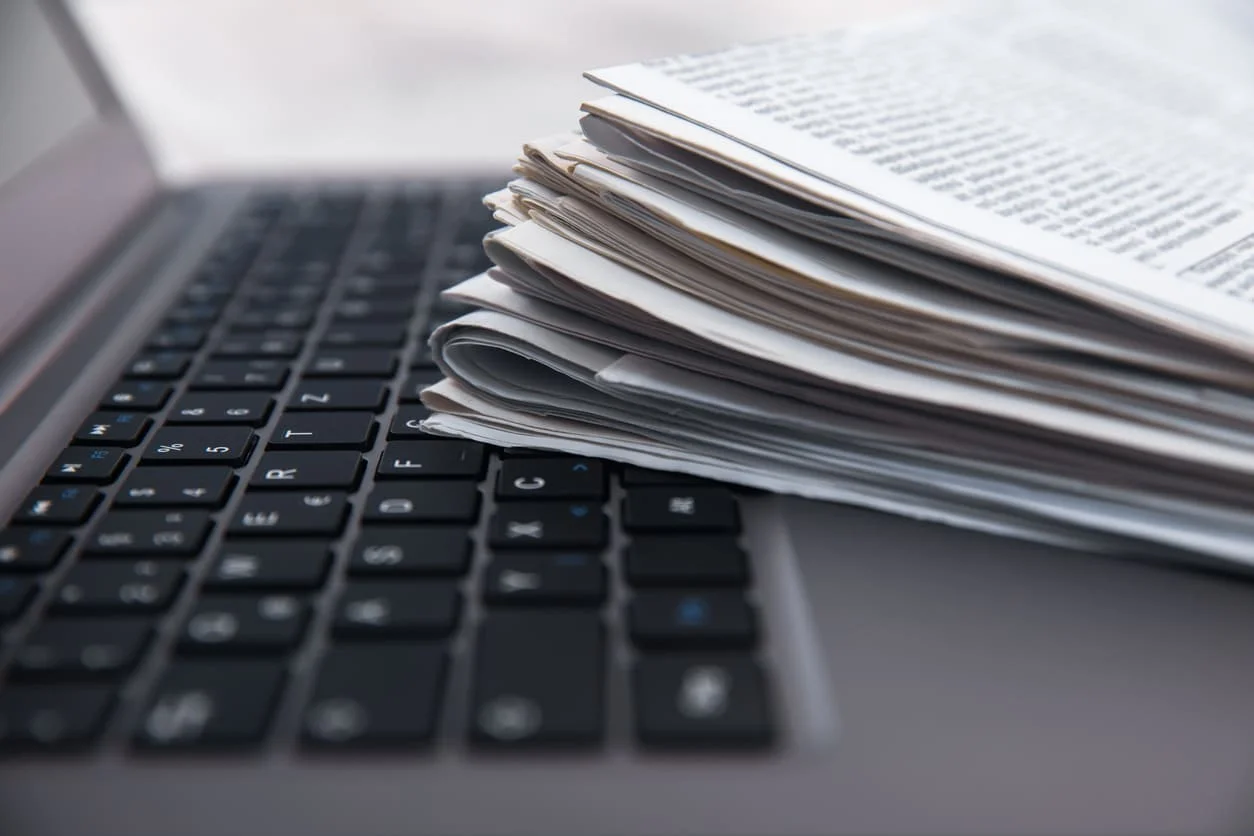
In an era dominated by screens, cloud storage, and instant communication, it is tempting to assume that paper has become obsolete. Yet, despite the rapid evolution of digital technologies, paper continues to hold a firm and meaningful place in both professional and personal contexts. From offices and schools to creative spaces and households, paper remains a versatile, reliable, and even essential medium. This essay explores the enduring relevance of paper, examining its practical advantages, psychological benefits, and role in fostering productivity and creativity.
The Practical Reliability of Paper
One of the most significant advantages of paper is its reliability. Unlike digital devices, paper does not require electricity, software updates, or internet access. A printed document can be read anywhere, at any time, without concern for battery life or technical malfunctions. This makes paper particularly valuable in situations where consistency and accessibility are crucial.
For example, in many workplaces, printed materials such as reports, contracts, and meeting agendas remain indispensable. Even with advanced digital tools, professionals often prefer to review important documents in hard copy. There is a certain assurance in holding a physical document—something tangible that cannot suddenly disappear due to a system failure or accidental deletion.
Furthermore, paper allows for ease of annotation. While digital tools offer commenting features, they often lack the immediacy and intuitive nature of writing directly on a page. Scribbling notes in the margin, highlighting key passages, or sketching ideas freely can be done effortlessly on paper, making it an ideal medium for active engagement.
Enhancing Focus and Comprehension
Another compelling argument for the continued use of paper lies in its impact on concentration and comprehension. Numerous studies suggest that reading on paper can improve understanding and retention compared to reading on screens. This is partly because paper eliminates many of the distractions associated with digital devices, such as notifications, hyperlinks, and multitasking temptations.
When reading a physical document, individuals are more likely to engage deeply with the content. The tactile experience of turning pages and the spatial awareness of where information is located within a document contribute to better cognitive processing. This is particularly important in educational settings, where students benefit from sustained attention and deeper learning.
In addition, writing by hand has been shown to enhance memory and learning. The physical act of forming letters and words engages different areas of the brain compared to typing. As a result, handwritten notes are often more effective for retaining information, making paper an invaluable tool for students and lifelong learners alike.
Paper as a Creative Medium
Beyond its practical uses, paper plays a vital role in creativity. Artists, designers, writers, and thinkers frequently turn to paper as a starting point for their ideas. There is a freedom in using paper that digital tools sometimes constrain. A blank sheet invites exploration without the limitations of software interfaces or predefined structures.
Sketching, doodling, and brainstorming are all activities that benefit from the openness of paper. It allows for non-linear thinking, where ideas can flow organically without the need for formatting or organisation. This spontaneity can lead to unexpected insights and innovative solutions.
Even in professional environments, creativity often begins on paper. Many successful projects start as rough sketches or handwritten notes before being developed digitally. The simplicity of paper encourages experimentation and reduces the pressure to produce something perfect from the outset.
The Role of Paper in Organisation
Paper also remains a powerful tool for organisation. Diaries, planners, and to-do lists are widely used because they provide a clear and immediate overview of tasks and priorities. While digital planners offer convenience, many people find that writing things down on paper helps them stay organised and accountable.
The act of physically crossing off completed tasks can be particularly satisfying and motivating. It creates a sense of progress that is both visible and tangible. For many individuals, this simple action can significantly enhance productivity and time management.
In office environments, printed documents can also aid in structuring workflows. Having physical copies of important materials ensures that information is readily accessible during meetings or collaborative sessions. For instance, using high-quality A4 printer paper from Viking can contribute to a professional presentation, ensuring that documents are clear, durable, and easy to handle.
Environmental Considerations
It is important to address the environmental concerns associated with paper use. Critics often argue that paper contributes to deforestation and waste. However, the paper industry has made significant strides towards sustainability. Many paper products are now sourced from responsibly managed forests and are fully recyclable.
Moreover, the environmental impact of digital technology is often underestimated. Data centres, electronic waste, and energy consumption all contribute to the ecological footprint of digital solutions. When used responsibly, paper can be part of a balanced and sustainable approach to information management.
Recycling, reducing unnecessary printing, and choosing eco-friendly paper products are all ways to minimise environmental impact. By making conscious choices, individuals and organisations can continue to benefit from paper while supporting sustainability efforts.
Conclusion
Despite the undeniable advantages of digital technology, paper continues to play a vital role in modern life. Its reliability, impact on focus and comprehension, support for creativity, and contribution to organisation make it an indispensable tool across various contexts. Additionally, when used responsibly, paper can align with environmental sustainability goals.
Rather than viewing paper and digital technology as opposing forces, it is more productive to see them as complementary. Each has its strengths, and together they offer a balanced approach to communication, learning, and productivity. In this way, paper remains not a relic of the past, but a valuable resource for the present and the future.