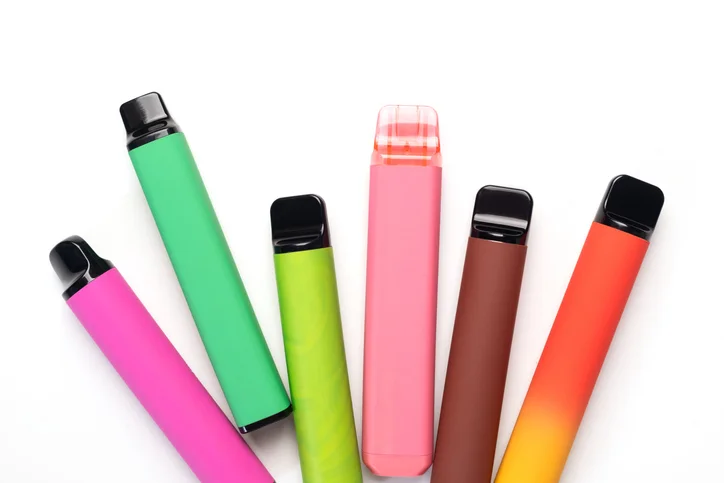
Europe is one of the best regions in the world in which to own a vape shop. You’re not the only entrepreneur who knows that, though, which means that you’re going to face heavy competition if you want to start a new business in the vape industry. Competition is one of the biggest obstacles that you’ll face if you want to reach the heights of the best European vape shops like Vaporia.co.uk, but it’s not the only one.
Are you thinking about starting a vape shop in Europe? These are the 4 biggest challenges that you’ll face.
The European Vaping Market Is Extremely Competitive
Competition is the biggest challenge that any new vape shop faces, and it’s an unusually large challenge in Europe because of favourable legal regulations. Entrepreneurs know that the vaping industry is legal and stable, which makes it worthwhile to invest in the launch of a new vape business.
The total size of the European vaping industry is valued at an estimated €9.66 billion. That’s a huge market with plenty of opportunity.
The flip side, though, is that there’s a constant flow of new vape shops launching, and they’re all trying to claim slices of the market from some very well-entrenched competitors. The total size of the European vaping market will continue growing as more smokers make the switch, but you’ll face more of an uphill battle opening a new vape shop today than you would have a decade ago.
European Vaping Regulations Differ by Nation
You’ll face a major challenge with the organisation of your vape shop’s website if you want to sell vapes throughout Europe and not just within a single country because European nations differ in how they regulate vaping products and which products are allowed.
Here are a few prominent examples of how the restrictions for vaping products differ across European nations.
- In Belgium, France and the United Kingdom, single-use disposable vapes are banned. Disposable vapes, however, remain legal in many European nations. Ireland has taken steps to ban single-use vapes but hasn’t enacted the ban yet at the time of writing.
- Many European nations have banned flavoured vapes. Some of the nations that have enacted partial or full flavour bans include Denmark, Hungary, Finland and the Netherlands. In some nations, only tobacco-flavoured vapes are allowed. In others, menthol is also allowed.
- In Norway, vapes and e-liquids with nicotine are banned.
If you want to sell vapes throughout Europe from a single online vape shop, you’ll have a lot of development work to do because the only way to avoid disappointing your customers is by ensuring that they can only see the products that are legal to buy where they are. That’s on top of the normal development headaches involving logistical factors like shipping calculations and currency conversions.
You can probably count on your e-commerce platform to handle details like charging the correct amounts for shipping, but there’s no solution that’ll automatically prevent vaping products from being shown where customers can’t legally buy them. You or your developer will have to do that manually.
European Vape Products Are Changing Rapidly
Inventory is always going to be one of your most significant expenses as a vape shop owner. Vaping is very much a long-tail industry. Everyone has their favourite products and flavours, and there’s no clear leading brand.
You’ll have the difficult challenge of trying to carry everything that your customers could possibly want – as many disposable vapes, refillable devices, spare parts and e-liquid flavours as possible.
Inventory is a major investment, but it’s at least tolerable if you have some confidence that all of the products you’re stocking will eventually find buyers. It’s quite another matter, however, if a product that you’ve invested heavily in suddenly becomes unfashionable or impossible to sell.
In 2025, Belgium and the United Kingdom banned single-use vapes and mandated that all vaping products should be refillable and reusable. The disposable vape bans set off a change that reverberated throughout Europe as manufacturers scrambled to release new products that had the convenience of disposable vapes but were compliant with the new laws.
The new “big puff vapes” – which contain up to 12 ml of vape juice and can last thousands of puffs – are better than disposable vapes in many ways and are exempt from all bans. They’re such great products, in fact, that people are buying them in huge numbers even in places where disposable vapes are still legal.
Vape shop owners in Europe are stocking up on big puff vapes, but the fact that people are buying those devices right now doesn’t mean that some new thing won’t appear and make those products obsolete overnight.
Running a vape shop in Europe is all about maintaining balance. The challenge is knowing how to maintain your stock levels so that you can meet demand but won’t be caught with mountains of unsellable inventory if trends change.
Most European Regions Have Marketing Restrictions for Vape Shops
The fourth major challenge facing vape shops in Europe is that many European nations have restrictions on how companies in the vaping industry can advertise their businesses.
Marketing a vape shop was difficult enough before nations began to enact these restrictions. Vape businesses, for example, have never been able to use Google Ads or pay to boost views of content on social platforms like Facebook and Instagram. New restrictions throughout Europe, however, have made it even more difficult to advertise a vape shop.
The European Union has already enacted a ban on all cross-border advertising of vapes and other nicotine products, but some individual nations have taken those restrictions even further. Belgium, Estonia, Iceland, Poland and Norway all have complete advertising bans for vaping products, and many other nations are considering enacting similar bans.
Between the stiff competition and the strict advertising restrictions, it’s harder than ever to market a new vape shop in Europe. Creativity is an absolute must. Without it, you’ll have an extremely difficult time breaking through the static and getting yourself noticed.
Disclaimer: This article contains sponsored marketing content. It is intended for promotional purposes and should not be considered as an endorsement or recommendation by our website. Readers are encouraged to conduct their own research and exercise their own judgment before making any decisions based on the information provided in this article.