Thousands of miles away, in the Himalayas of Nepal, where prayer flags flutter against snow-covered mountains and ancient trails connecting remote villages, culture is not locked away in a museum; it’s alive, moving, and spiritual.
The Cham festival dances, sacred masked shows in the monasteries of the Buddhist religion, are among the most influential cultural expressions that trekkers have experienced. Such ritual dances are not mere displays of sight but spiritual rituals that unveil the soul of Himalayan life.
For trekkers exploring Nepal’s high mountain regions, encountering Cham dances offers a rare opportunity to witness centuries-old traditions that continue to thrive alongside rugged trekking routes.
Cham Dances: Sacred Rituals Performed in Himalayan Monasteries
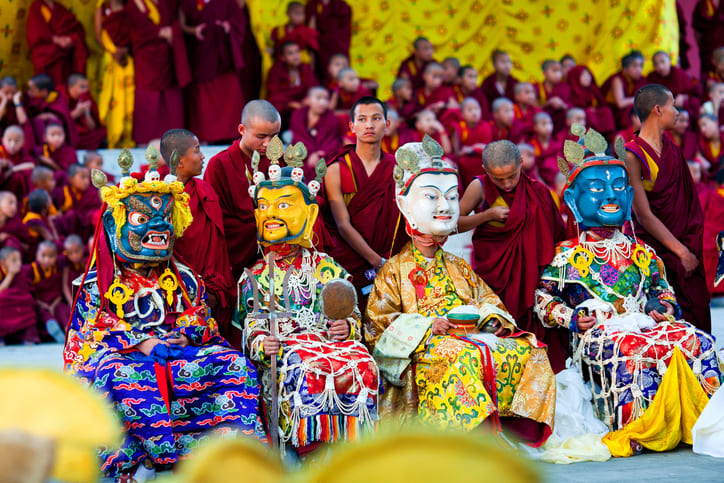
Cham dances are ritual performances held in most Tibetan monasteries across the Himalayan belt of Nepal. Monks dressed in elaborate silk costumes and symbolic masks perform choreographed moves, enchanted with horns, cymbals, and drums. Each movement carries religious meaning, representing the victory of wisdom over ignorance and compassion over evil.
Trekkers on culturally rich routes like the Manaslu Circuit Trek often find themselves near monasteries where these sacred dances are performed during the annual festivals. In contrast to the performance of the chastised cultural shows, Cham dances are authentic religious ceremonies held in monastery courtyards, typically during significant events in the lunar calendar.
This connection between trekking and living culture is one reason that makes culturally oriented adventure companies such as Himalayan Masters emphasize immersive Himalayan experiences rather than just physical journeys.
Spiritual Meaning Behind Cham Festival Dances
Cham is not entertainment; it is meditation in motion. These dances are said to cleanse bad spirits, protect communities, and honor Buddhist deities. The masks of the monks often represent wrathful deities, guardians, or animals (symbolic), which serve to tell sacred stories.
For trekkers, understanding the symbolism adds a deeper meaning to the journey. Watching a Cham dance after days of trekking through mountain passes and ancient villages feels like stepping into a spiritual dimension of the Himalayas.
- Key spiritual elements of Cham dances include:
- Masked deities representing protection and enlightenment
- Ritual instruments such as dungchen (long horns) and cymbals
- Slow, deliberate movements symbolizing cosmic balance
- Monastic settings that enhance spiritual intensity
Cham Dances Along Trekking Routes of Nepal
Such deep cultural traditions are not present on all trekking routes, but the Manaslu region is particularly rich in Tibetan Buddhist heritage. Monasteries like Lho Monastery, Samagaun Gompa, and Pungyen Gompa are integral to local life and are sometimes centers for festival rituals.
Trekkers passing through these villages during festival seasons may witness Cham dances either directly or feel their influence through monastery preparations, prayer ceremonies, and communal gatherings.
| Region | Monastery Influence | Cultural Experience |
| Lho Village | Strong Tibetan Buddhist presence | Mask rituals, prayer ceremonies |
| Samagaun | Ancient monasteries | Festival gatherings |
| Manaslu Region | Living Buddhist traditions | Authentic cultural immersion |
Why Cham Dances Matter to Trekkers
Trekking is not a destination that was achieved in the Himalayas; it is about knowing the land and the people. Cham dances represent the deep connection between spirituality, nature, and community. Witnessing these religious dances enables hikers to understand that the Himalayan trails are not just the paths around the mountains, but the paths to the living culture.
Respect is essential. Photography can be limited; no one is supposed to talk, and trekkers are supposed to be humble spectators. This decent engagement makes a hike a valuable cultural exchange instead of a superficial adventure.
Trekking Beyond Landscapes: Culture on the Manaslu Circuit
Manaslu Circuit is one of the emerging, best trekking routes in Nepal for its preserved culture and lower commercialization. Unlike more crowded trails, this area still has a close connection to traditional monastic life. For those trekking with seasoned local operators such as Himalayan Masters, cultural knowledge is included in the trip, and guides explain rituals, monastery etiquette, and local beliefs.
Experiencing Cham dances, even as an outsider, enhances the trek experience as it helps travelers not only to think of the Himalayas as a geological marvel but also as a spiritual terrain shaped by centuries of faith.
Final Thoughts
Cham festival dances performed in monasteries are a powerful expression of Himalayan spirituality. For trekkers in Nepal, particularly those visiting some of the culturally rich places such as Manaslu, these religious ceremonies provide an understanding of a lifestyle that has not changed since time immemorial.
These kinds of moments, when one is hiking in the Himalayas, are the easiest to remember about, quiet, sacred, and very human.