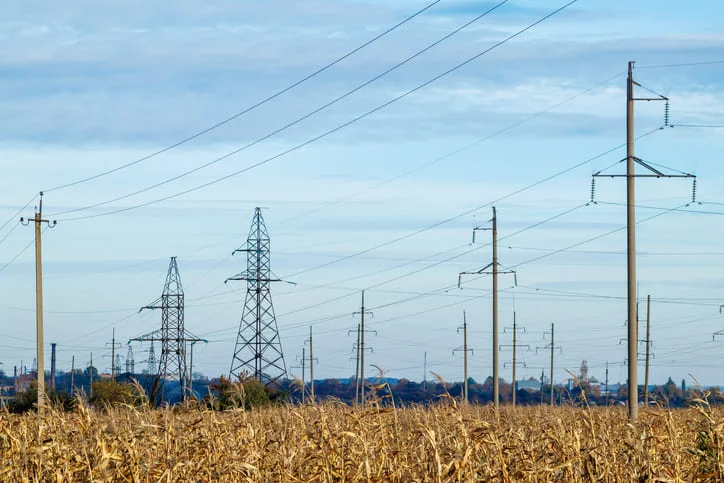
In every region around the world, electric power distribution plays a crucial role in delivering electricity from generation facilities to homes and businesses. After electricity from power plants travels long distances through transmission lines, it reaches the grid, where the distribution network takes over. This stage is essential because electricity is stepped down to safe levels for residential customers, commercial facilities, and other end users.
- How the Power Distribution System Operates
- Business Impact of Reliable Electrical Power Delivery
- Key Components and Operational Considerations
Without a reliable power distribution setup, companies cannot maintain productivity, supply chains stall, and economic activity slows.
How the Power Distribution System Operates
A modern electric power distribution system consists of distribution lines, transformers, switches, and protective equipment engineered to deliver energy efficiently and safely. Transmission networks carry high voltage energy over long distances, but once the power is closer to consumers, distribution systems reduce the voltage through a distribution transformer, allowing power to be delivered safely. This ensures customers receive the right amounts of electrical transformer needed for everyday operations. Whether overhead or underground, the distribution system must remain resilient and scalable to support the growing demand for electric power.
Business Impact of Reliable Electrical Power Delivery
For industries and organizations, dependable electrical infrastructure is not just beneficial—it’s essential. Reliable distribution of electrical energy helps businesses operate machinery, power digital systems, maintain data centers, and support continuous manufacturing processes. A failure in this system can interrupt operations, cause financial losses, and negatively impact end users across the region. As energy demands rise, engineers focus on improving system integration, protection, and automation to ensure stable service delivery.
Key Components and Operational Considerations
In a typical utility network, distribution network elements include transformers, breakers, smart meters, and monitoring tools, all working together to maintain safe current levels. Modern development strategies involve enhancing network reliability, enabling better control, and reducing downtime. Companies rely on intelligent systems that ensure uninterrupted power, further advancing efficiency. Energy generation may happen far away, but the final stage of distribution brings power directly to the customers who depend on it for daily activities.