Key Takeaways
- Cyber Monday is a powerful equalizer for small businesses. With the right strategy, even the smallest brands can stand out, attract new customers, and compete with major retailers in the digital marketplace.
- Success depends on preparation and creativity. Smart tactics like product bundling, exclusive online drops, and early-access campaigns can boost visibility, increase sales, and build long-term customer relationships.
- Think beyond the one-day sale. Use Cyber Monday as a launchpad to grow your audience, strengthen retention, and turn short-term shoppers into repeat buyers through ongoing engagement and thoughtful follow-up.
Cyber Monday isn’t just for the Amazons and Walmarts of the world. It’s one of the few days when even the smallest businesses can ride the tidal wave of online shopping and grab attention from deal-hungry buyers.
Still, as Brianna Bitton, Co-Founder of O Positiv, a company that offers URO probiotics for women, explained, “Success on Cyber Monday comes from being strategic, finding ways to stand out in the noise, and turning one-time shoppers into long-term customers.”
In other words, Cyber Monday can be more than a single sales spike. Done right, it can kick off stronger brand visibility, bigger email lists, and repeat revenue that lasts well past the holidays. Here’s how to make it work for your business this year.
Bundle Products To Increase Average Order Value
One of the smartest Cyber Monday plays for small businesses is bundling products. Instead of selling items one by one, you package them together at a slightly discounted rate. Shoppers feel like they’re scoring a bigger deal, and you increase the average order value without cutting too deep into margins.
“Bundles are a win-win,” said Hunter Bailey, CEO of Impact Dog Crates, a company that specializes in dog crates. “Customers get more for their money, and businesses move more inventory without having to race to the bottom on single-item discounts.”
Think in terms of how people actually shop. Pair complementary items that naturally go together, like a coffee blend with a branded mug or a skincare serum with a moisturizer. Add a name that makes it feel special (think “Holiday Starter Pack” or “Self-Care Sunday Kit”), and make the savings clear on the product page.
If you can, use your e-commerce platform to set tiered discounts for bundles so shoppers can see the price drop instantly when they add everything to their cart.
Offer Exclusive Online-Only Drops
Scarcity drives action, and Cyber Monday is the perfect time to lean into that. Limited-edition or first-access products can create a sense of urgency that gets people clicking “buy” faster than a generic discount ever will. Exclusive drops also give small businesses a chance to stand out against bigger players.
“When shoppers know something is limited, they move quickly,” explained Sanford Mann, CEO of American Hartford Gold, a company that specializes in gold IRA assistance. “If it feels like a one-time opportunity, it cuts through the sea of sales emails.”
Plan ahead and decide what makes the drop truly special. It could be a new product launch, a seasonal colorway, or a collaboration with another small brand. Tease it in your marketing but keep the details under wraps until Cyber Monday to build hype. Make sure your site can handle the surge and clearly label the item as limited so buyers understand the urgency.
Use Email and SMS To Tease Early Access
Cyber Monday is chaotic, so the brands that get the most traction are the ones that cut through early. Giving your email and SMS subscribers first dibs on deals makes them feel valued and gives you a head start before the flood of ads hits. It also turns casual browsers into long-term subscribers since people don’t want to miss “VIP” access next time.
“It is easy to assume customers will buy because it is Black Friday/Cyber Monday, but building some suspense and buzz can help it become a bigger success,” suggested Michael Averto from Shopify.
Send a teaser campaign the week before Cyber Monday that builds hype for early access. Then, use SMS for those last-minute nudges, since texts are far more likely to be seen right away than another email sitting in an inbox. Keep your message short and clear: spell out when the early window opens, what’s on the table, and when it ends.
Sweeten the deal with a perk exclusive to subscribers, making signing up feel like a no-brainer.
Promote Through Social Proof in Real Time
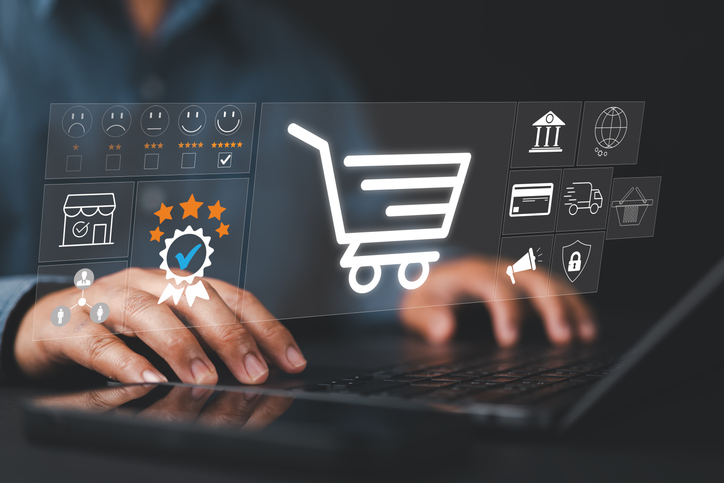
On Cyber Monday, people want reassurance that they’re spending money wisely. Seeing real customers rave about your products, post photos, or share positive experiences can be the push they need to click “buy.” Social proof is powerful because it makes your deals feel trustworthy in a sea of too-good-to-be-true offers.
“Shoppers trust other shoppers more than a brand’s advertising,” explained Shaunak Amin, CEO and Co-Founder of Stadium, an employee recognition program. “Reviews, photos, and live updates feel authentic, and that authenticity drives conversions.”
Set up systems to capture and share proof as it happens. Highlight recent reviews on your product pages, use Instagram Stories or TikTok to repost customer content, and show live purchase notifications if your e-commerce platform allows it. Encourage buyers to tag your brand by offering a small incentive, like a discount code for their next order. Real-time proof drives urgency and helps tip hesitant shoppers into buyers.
Leverage Paid Ads With Pinpoint Targeting
Cyber Monday is the Super Bowl of online ads, and small businesses can still play if they’re strategic. Instead of trying to outspend bigger players, use targeting tools to zero in on the people most likely to buy from you. Retargeting past site visitors or using lookalike audiences keeps your budget focused where it counts.
“Research has shown that digital targeting meaningfully improves the response to advertisements and that ad performance declines when marketers’ access to consumer data is reduced,” pointed out Leslie K. John from Harvard Business School. Put simply, ads work harder when they’re targeted and waste money when they’re not.
Set up campaigns at least a week ahead so your ads are approved and running smoothly before the rush. Use dynamic product ads to remind people of items they viewed or left in their cart, and refresh creative with Cyber Monday-specific visuals so it feels timely. Keep an eye on frequency caps too. The goal is to stay top of mind, not annoy people into ignoring you.
Offer Free Shipping or Fast Delivery Perks
Price isn’t the only factor driving Cyber Monday purchases. Shoppers care just as much about how quickly and affordably they can get their order. Offering free shipping or highlighting a speedy delivery option can make the difference between someone checking out with you or bouncing to a competitor.
“Convenience usually takes the crown over a bigger discount,” explained Tyler Zanini, Founder of Memoryboard, known for their dementia reminder board. “If a shopper knows they’ll get the product quickly without extra costs tacked on, they’re far more likely to hit ‘buy.’”
The key is clarity. If you offer free shipping, make sure it’s visible on product pages and in your cart. If you can’t afford free shipping across the board, set a minimum order threshold that encourages larger carts. If fast delivery is your angle, call out guaranteed timelines, like “delivered in 3 days.”
Gamify Your Deals
Scrolling through deal after deal gets old fast. Break the monotony by turning your sale into something interactive. The trick is to keep it simple and transparent.
“When customers feel like they’re playing a game, they stick around,” said Titania Jordan, CMO of Bark Technologies, a company known for its safer kids GPS watch, the Bark Watch. “That extra engagement often leads to bigger carts and more brand loyalty.”
Use tools that let people reveal discounts instantly or unlock perks based on how much they spend. For example, spend $50 and get a mystery gift, or hit $100 and unlock free shipping. Promote the game element in your emails and socials so people are curious enough to click through. The idea is to make shopping feel less transactional and more like a fun event they’ll want to come back to next year.
How To Keep the Momentum After Cyber Monday
So the big day came, carts got filled, and orders went out. Now what? Don’t let all that hard work and traffic vanish overnight. The smartest small businesses treat Cyber Monday as the starting line, not the finish. Here’s how to keep that momentum rolling into December and beyond.
Turn Buyers Into Subscribers
Cyber Monday shoppers may have found you for the deal, but the goal is to make sure they stick around. Following up with an email that offers exclusive content, loyalty perks, or early access to future sales turns a one-time buyer into someone who actually wants to stay in your orbit.
“Retention starts with making new customers feel like insiders,” said Emily Greenfield, Director of Ecommerce at Mac Duggal, a company that offers formal wedding guest dresses. “If you give them a reason to keep listening after the sale, they’re much more likely to become repeat buyers.”
Send a thank-you email that includes more than a receipt. Offer a perk for joining your loyalty program, invite them to follow you on social, or send a bonus resource like styling tips, recipes, or care guides tied to what they purchased. That added value makes your brand more memorable than just another order confirmation.
Run a Post-Cyber “Thank You” Sale
The week after Cyber Monday is quieter, but that doesn’t mean people stop shopping. In fact, Zeta Global found that most of those post-Cyber Monday orders came from phones, showing that shoppers weren’t done shopping. They were just shifting how and when they bought.
“Running a smaller, loyalty-focused promo helps you keep the momentum going without overwhelming people,” said Justin Soleimani, Co-Founder of Tumble, a company that specializes in washable rugs. “It’s really about giving a little extra love to the customers who already showed up for you.”
Offer a thank-you code for past buyers, or give subscribers a mid-week flash deal that feels more personal than your main Cyber Monday push. Keep it simple with one strong offer, a short time window, and messaging that emphasizes gratitude over hype. It builds goodwill while still driving revenue.
Collect Feedback and Learn Fast
Cyber Monday throws a ton of data your way: what people bought, how they found you, and where they dropped off. Instead of letting that info sit in a dashboard, use it to sharpen your next move. Quick surveys or a fast read of purchase behavior can show you what worked and what needs tweaking.
“Every campaign is a chance to learn,” said Daley Meistrell, Head of Ecommerce at Dose, a company known for its Dose for your Liver supplement. “The brands that grow are the ones that actually use that feedback to adapt.”
Send a short post-purchase survey asking why they chose you or what they’d like to see next. Look at which products bundled well together or which channels drove the most conversions. Then feed those insights into your holiday marketing, Q1 planning, or even next year’s Cyber Monday playbook. Learning while the data is fresh keeps you ahead.
Keep Playing the Long Game
Cyber Monday might feel like a sprint, but for small businesses, it’s really part of a marathon.
“The brands that come out ahead are the ones that treat every order, click, and follow as the start of a longer relationship,” noted Jack Savage, Chief Executive Officer of Everyday Dose, a company that specializes in mushroom coffee.
Think beyond one-off discounts. Use this momentum to test new ideas, build loyalty, and refine your playbook for the next big push. Because in 2025, the businesses that win are the ones that turn short-term shoppers into long-term fans.