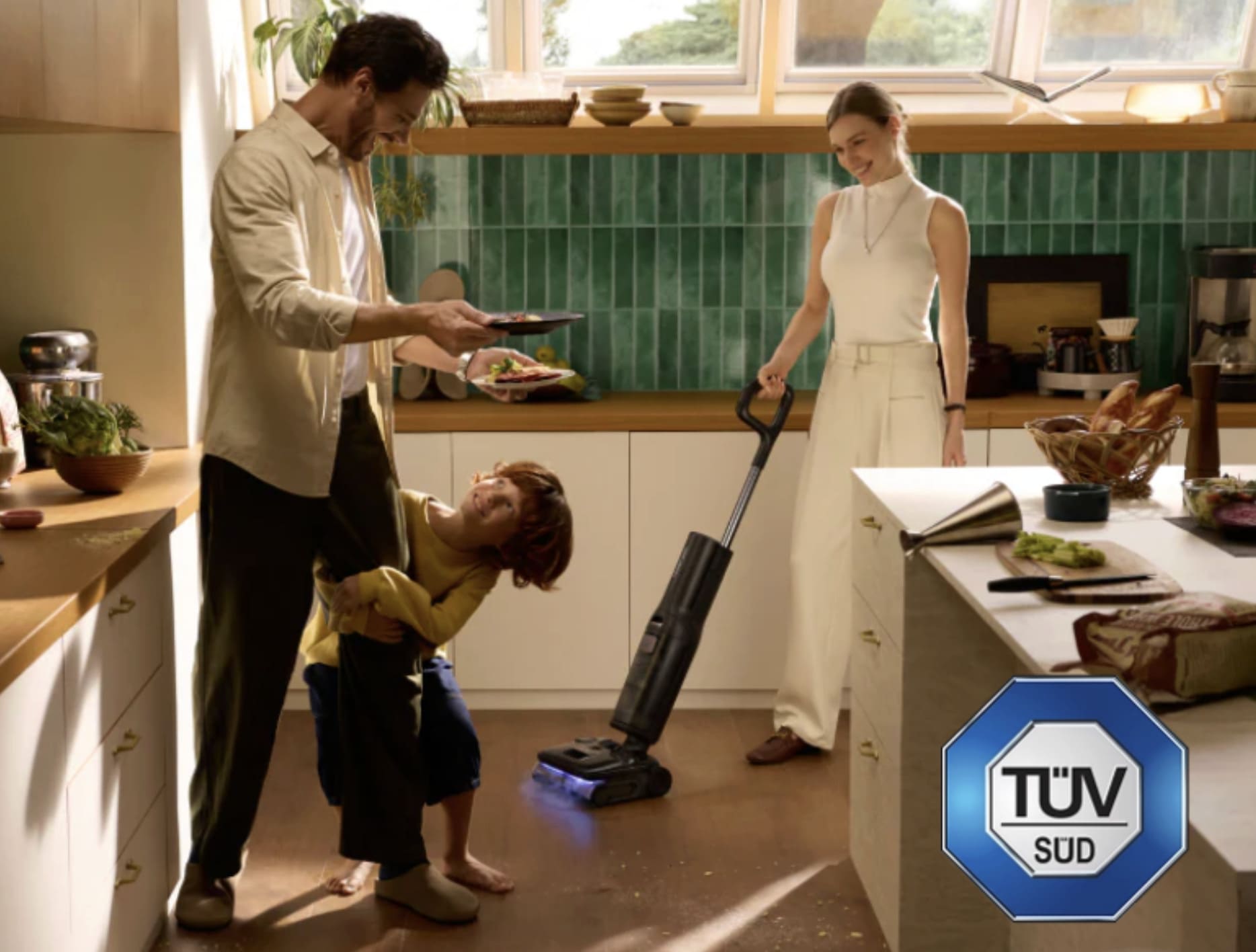
You juggle work, family, and a home that somehow generates crumbs and puddles on its own. That’s why a wet dry vacuum cleaner can be a difference‑maker: it handles dust, grit, and liquid spills in one pass, so you spend less time switching tools and more time getting on with your day. If you’ve ever watched a tiny splash become a full cleanup, or found yourself re‑doing corners and baseboards after the main sweep, or lost time rinsing rollers and wringing out a mop afterward, you know the real pain points. The right device cuts those moments down—without asking you to compromise on clean.
Prioritize Real-World Functionality: Edge Reach, Self-Cleaning, and Low-Profile Access
Choosing a brand should start with the functions that solve your everyday messes. Roborock highlights three that matter for speed and results: close edge reach to minimize hand‑detailing, self‑cleaning with automatic drying to reduce sink‑side chores, and low‑profile heads that reach under cabinets and furniture. You don’t buy a label; you buy the engineering that helps you finish faster and cleaner. In doing so, you may want to look into Roborock F25 Ultra.
What a Wet Dry Vacuum Cleaner Brings to Everyday Cleaning
Definition of a Wet Dry System
A wet dry system removes dry debris and liquid spills with one machine. Instead of sweeping, then mopping, then waiting for floors to dry, you vacuum and wash in a single pass while the device keeps clean and dirty water separate to avoid re‑depositing grime.
Components and Operating Principles
Most units combine a motor with a brush or roller, a clean‑water tank, a dirty‑water tank, and a filtration path. Many models add an automatic self‑cleaning cycle to flush rollers and internal lines, and some docks include forced‑air drying so parts are ready for the next run.
Typical Surfaces and Use Cases
Wet dry machines are designed primarily for sealed hard floors—tile, sealed wood, vinyl, and laminate—and for mixed messes like cereal and milk, pet dribbles, muddy prints, and tracked‑in rainwater. For unsealed wood or specialty surfaces, follow the floor manufacturer’s care guidance and test a small area first.
Why It Fits Busy Lifestyles
Consolidating Steps into One Pass
Sweeping, mopping, and drying used to be three separate jobs. With a wet dry device, you combine them. The immediate payoff is fewer tool swaps and less time chasing damp footprints.
Reducing Manual Edge Detailing
Toe‑kicks and baseboard lines collect what the main pass misses. Look for heads that clean close to edges and into corners so you’re not coming back with a cloth to finish the job.
Lowering After‑Care Time
Auto self‑cleaning and drying cuts down the sink‑side routine—less rinsing rollers, fewer parts to prop open, and fewer odors between sessions.
Access and Maneuverability
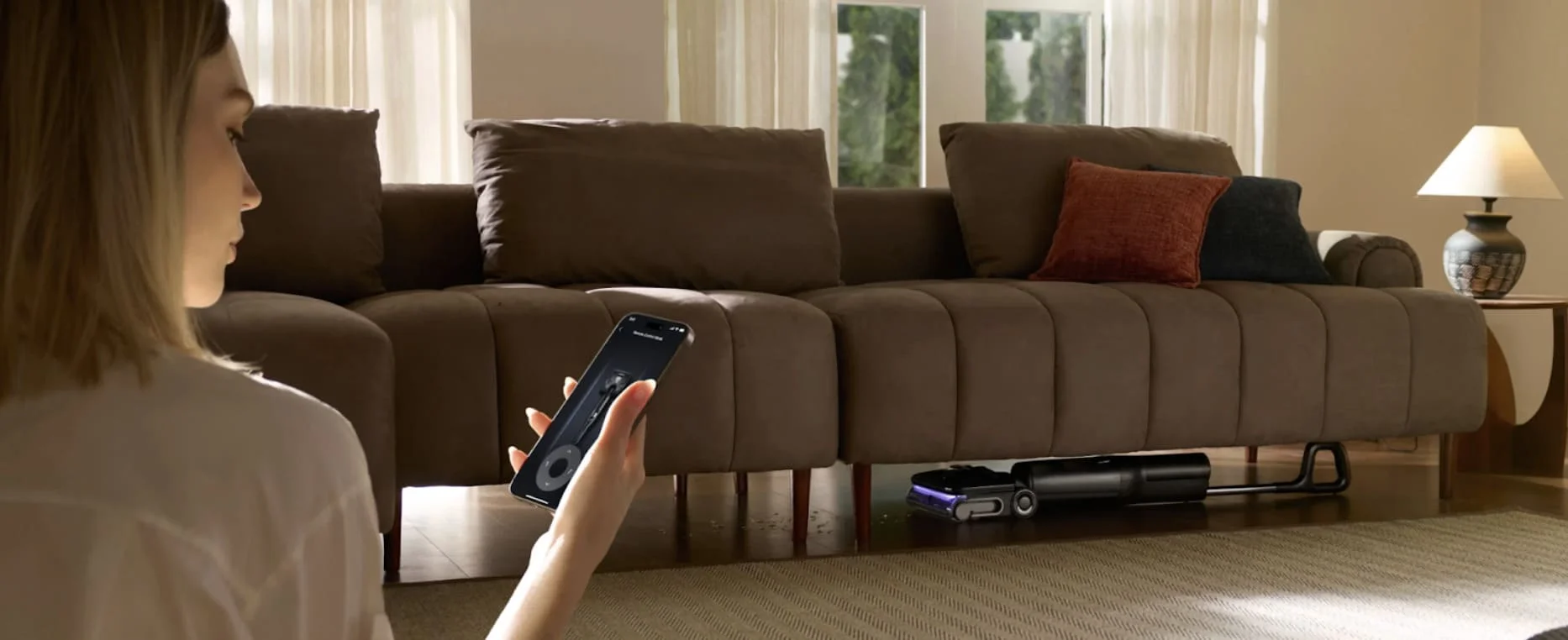
Slim, flat‑reach head designs slide under furniture and cabinets so you don’t have to move half the room just to reach the sticky spot.
Optional Connectivity and Controls
App connectivity can help you trigger self‑clean cycles, check maintenance reminders, and review quick‑start guides without hunting for a manual.
Where It Excels in the Daily/Weekly Routine
Quick Response to Mixed Messes
Cereal and milk, pet prints, and water tracks don’t wait for “cleaning day.” You get better results (and safer walkways) when you remove debris and liquid immediately—and leave a dry, passable surface behind.
Whole‑Home Passes vs. Spot Jobs
Use short, targeted “micro‑passes” after meals and a slightly longer weekly loop that hits kitchens, baths, and high‑traffic zones. Breaking cleanup into sprints keeps the total time manageable.
Practical Buying & Setup Considerations
Fit for Your Surfaces
Confirm your floors are sealed and water‑tolerant. Real wood needs quick, light‑moisture passes and fast dry times. Avoid saturating edges and joints.
Performance and Handling Specs
Prioritize effective suction, roller designs that lift both dry and wet debris, and ergonomics that match your reach and storage. Weight distribution and handle angle matter more than raw weight on the spec sheet.
Maintenance Design Features
Self‑cleaning and automated drying make weekly upkeep predictable. A good dock should purge the internal pathways and dry the roller so it’s fresh for next time.
Access and Coverage Factors
Head height, swivel angle, and edge reach determine how much “redo” you’ll need along walls, under chairs, and around table legs. Aim for minimal gaps between the head and baseboards.
Integrating a Wet Dry Device into a Time‑Pressed Schedule
Daily Micro‑Tasks with a Wet Dry Vacuum Cleaner
- After meals (two to four minutes): clear crumbs and drips from the table‑to‑sink path and run a quick pass across the kitchen triangle.
- Entryway reset: catch tracked‑in water and grit before it spreads to the rest of the house.
Weekly Maintenance Passes
- Zone plan: kitchen and baths midweek; living areas on the weekend.
- High‑traffic focus: hallways, kids’ rooms, and pet hangouts.
Post‑Clean Wrap‑Up Routines
Park the unit on its dock and start the self‑clean and drying sequence right away. Parts dry, roller freshness improves, and the machine is ready when you are.
Features to Prioritize for Busy Households
Must‑Have Efficiency Features
| Priority | What it does | Why it matters |
| Close edge reach | Cleans along baseboards and into corners | Cuts hand‑detailing and second passes |
| Self‑clean & drying | Flushes rollers/lines; dries parts on the dock | Faster turnaround; fewer odors |
| Flat‑reach head | Slides under low furniture and cabinets | Better coverage without moving furniture |
Nice‑to‑Have Options
Helpful extras include app connectivity for quick diagnostics, auto solution dispensing, anti‑tangle roller systems for long hair, and LED headlamps that reveal dried spills on darker floors.
Safety and Care Considerations
Keep walkways clear and dry to reduce slip risk. If someone in your home is older or recovering from injury, fast pickup and quick‑dry passes are more than tidy—they support safer movement.
Industry Perspective
Category Trends Shaping the Modern Wet Dry
Households favor multi‑function cleaning that trades separate sweeping and mopping for a single, smarter pass. The newest models emphasize stronger liquid pickup, closer edge reach, and automation for cleaning and drying the system after you dock it.
Feature Names vs. Underlying Functions
Brand feature names vary, but the underlying functions are similar: more reach at the edges and under furniture, better pickup for mixed messes, and automated maintenance so you can put the tool away and move on.
Compare Models Using a Practical Checklist That Fits Your Home
If you want a quick reference point as you compare models, use this checklist—close edge reach, automatic self‑cleaning and drying, effective suction, and low‑profile access—and match those to your floors and traffic patterns. Explore Roborock wet dry vacuums for detailed spec sheets and to see how these functions show up in current designs.
Conclusion
You don’t need three tools for one mess. A wet dry vacuum cleaner helps you move from crumbs to spills without switching gear, get closer to edges in fewer passes, and finish with less after‑care of the tool itself. That saves time each week and leaves floors ready for traffic sooner. Focus on functions that fit your home—edge reach, flat‑reach access, self‑cleaning with drying, and suction that handles mixed debris—then build a routine of short daily sprints and a weekly reset. With the right setup, you spend less time cleaning and more time living in a home that stays comfortably clean between the big deep‑cleans.
The photos in the article are provided by the company(s) mentioned in the article and are used with permission.