
Ireland’s reputation as a tech-friendly home has been hard-won. From tucked-away start-ups in Cork to sprawling data-centres in Louth, the little island has punched above its weight in digital innovation. Yet as the sector surges ahead, the tug-of-war between protecting everyday consumers and courting the next big unicorn intensifies.
So how does Ireland keep the scales in equilibrium?
A regulatory landscape that keeps pace (mostly)
They’re not talking about dusty rulebooks here. In recent years, the Competition and Consumer Protection Commission (CCPC) has been beefed up to tackle misleading online practices. Meanwhile, Coimisiún na Meán (the Media Commission) oversees the Digital Services Act (DSA) roll-out as Ireland’s Digital Services Coordinator, ensuring everything from hate speech takedowns to transparency reports lands squarely under Irish oversight. The CCPC also serves as a competent authority for aspects of the DSA, particularly concerning online marketplaces.
They tend to think that giving regulators both teeth and a gentle nudge goes a long way. Yes, they can fine big players up to 6% of their total worldwide annual turnover under the DSA for significant breaches. But the regulatory environment also fosters innovation; for instance, the Central Bank of Ireland hosts an “innovation sandbox” programme, inviting novel financial technology ideas to be tested in a controlled environment.
Striking the right note
Modern regulation can’t be a blunt instrument if it wants to nurture homegrown creativity.
A case in point: licensed online gaming services in Ireland. Traditionally, online casinos were unregulated, but the Gambling Regulation Act 2024 promises to sweep that guard off its feet—introducing B2C and B2B licences, plus a National Gambling Exclusion Register to shield vulnerable punters. It’s a classic example of marrying consumer welfare with sector growth.
Yet, they admit, it feels a bit like watching a tightrope walker. Too much oversight and you stifle risk-taking; too little, and you leave consumers high and dry.
Consumers—everyday heroes
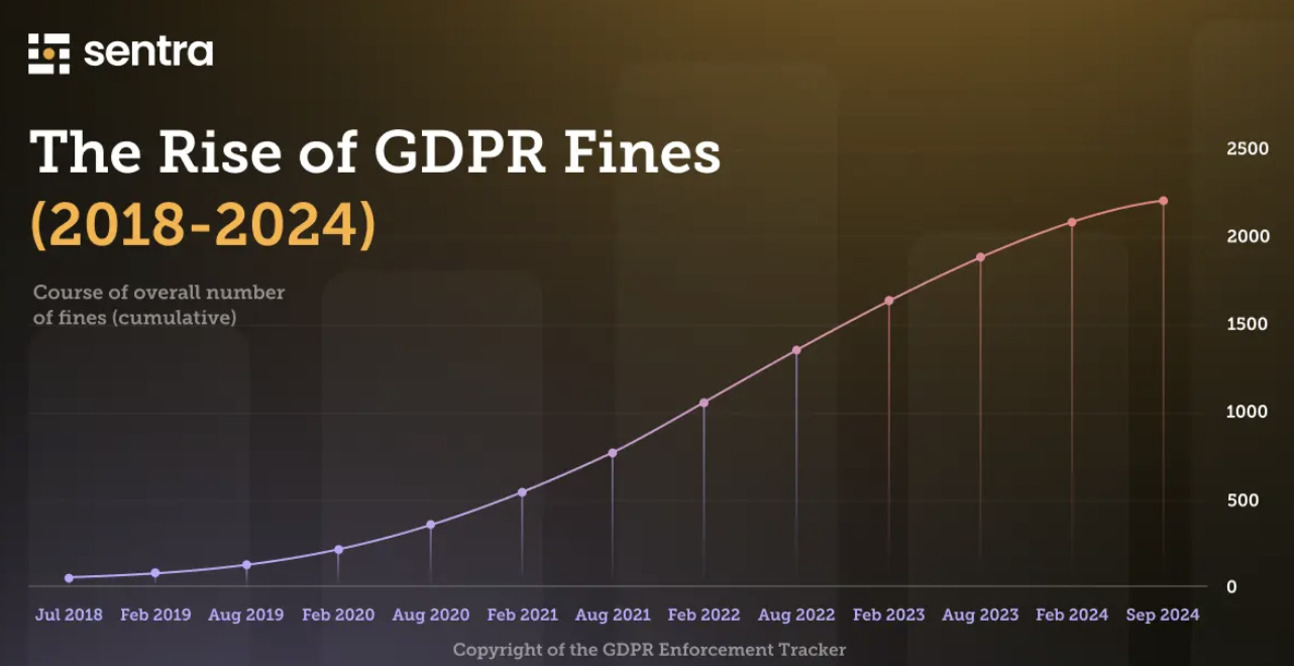
At the coalface, people want two basic things: fairness and choice. They expect clear refund policies when a widget underperforms, and they want to know exactly how their data gets used. Industry compliance with GDPR remains rigorous—no sidestepping those hefty Data Protection Commission fines!
In fact, Ireland performed strongly in digital adoption indicators; for instance, it ranked fifth in the EU in the 2022 Digital Economy and Society Index (DESI) for digital uptake. Furthermore, 83% of premises in Ireland have access to high-speed fibre-to-the-premises (FTTP) or cable broadband, and approximately 6.3% of the total workforce work directly in information and communication technology (ICT) specialist roles nationwide. Those figures tell a story: a nation hooked on connectivity, banking on digital services.
Words from the trenches
They’ve chatted with a few start-up founders who grumble about paperwork. Yet, when pressed, they concede that a well-structured licence regime can actually open doors—granting access to institutional clients who wouldn’t touch an unlicensed operator. It takes elbow grease, sure, but the credibility boost is real.
At the same time, big tech giants—hello, Dublin’s European headquarters for Meta and Alphabet—are learning to live by Irish rules. Content-moderation reports every six months, unbiased ad-placement algorithms, swift user-complaint channels. It’s a far cry from the “move fast and break things” mantra of yesteryear.
What about you? Have you found regulation a help or a hindrance in your digital journey? Let us know in the comments below.