
By Hervé Legenvre
In less than a decade, HMD has created a niche in the mobile phone market despite fierce competitors. Here is a look at its survival strategies other small businesses could borrow.
In an industry dominated by behemoths such as Apple, Samsung, and Huawei, entering and sustaining a position in the mobile device market is a daunting task for any small company. Yet, HMD, the Finnish company responsible for the resurgence of Nokia-branded smartphones, provides an intriguing story on how to thrive in this challenging environment.
Established in 2016, HMD has leveraged strategic partnerships and differentiation strategies to compete in a saturated market. This article examines the company’s collaborative origins, its focus on reparability and mental health as differentiators, and the broader implications for small businesses aiming to survive against corporate giants.
The Genesis of HMD: A Collaborative Foundation
A Bold Vision for Nokia’s Revival
HMD was formed with a singular goal: to bring the iconic Nokia brand back into the smartphone market. This vision was bold, given the rapid advancements in mobile technology and the market’s domination by entrenched players. Yet, rather than attempting to build every capability in-house, HMD Global embraced a partnership-driven model that allowed it to focus on core competencies while leveraging the strengths of industry leaders.
Partnerships at the Core
Four pivotal partnerships shaped HMD’s trajectory in its early years:
- Nokia: The partnership with Nokia allowed HMD to license one of the most recognized names in mobile technology. Nokia’s legacy brought immediate brand recognition, credibility and goodwill to HMD’s offerings, an asset in a crowded market.
- Foxconn: Through a manufacturing partnership with Foxconn, HMD avoided the capital-intensive process of establishing its own production facilities. Foxconn’s global manufacturing expertise ensured that HMD’s devices met high-quality standards while maintaining cost efficiency.
- Google: By integrating Google’s pure Android operating system into its devices, HMD provided a user experience free from the bloatware often associated with competing brands. This decision aligned with consumer preferences for clean, reliable, and regularly updated software.
- Qualcomm: Partnering with Qualcomm enabled HMD to leverage industry-leading chipset technology, ensuring that its devices delivered competitive performance, energy efficiency, and connectivity.
HMD’s growth is also supported by global partnerships that facilitate access to new audiences and industry segments. Collaborations with companies such as Heineken, Mattel, and FC Barcelona enable the integration of mobile technology into specific consumer experiences. By engaging with diverse audience groups, including sports enthusiasts and families, HMD enhances the visibility and relevance of its products.
In 2017, HMD launched its first line of Nokia-branded smartphones alongside feature phones that harkened back to Nokia’s heyday. These devices quickly gained traction, praised for their minimalist design and affordability. By the end of its first year, HMD had sold over 70 million devices, a remarkable achievement for a nascent company operating in a highly competitive industry. The collaborative model had laid a solid foundation for HMD’s future.
Jean-François Baril, HMD Founder and CEO advocates a four-ingredient recipe for partnerships:
Ambition: Collaborations need a bold, shared vision that transcends the status quo. This vision might involve reshaping existing markets or creating entirely new ones, but it must be transformative.
Viability: Partnerships require clear expectations and transparency. Both parties should understand their roles and rewards to minimize conflicts and establish fairness.
Benevolence: Greed is a poison to collaboration. Success comes from focusing on mutual value creation and addressing risks together. This builds confidence and strengthens the partnership.
Passion and Trust: Genuine enthusiasm and trust are non-negotiable. Shared passion for the mission enables partners to navigate obstacles and remain united in pursuit of their goals.
Differentiating through Reparability and Mental Health
As HMD matured, the company recognized the need to differentiate itself in a crowded market. While competitors focused on cutting-edge camera technologies or foldable screens, HMD adopted a unique approach: prioritizing reparability and mental health. This strategy not only set the company apart but also aligned with growing consumer demand for responsible products.
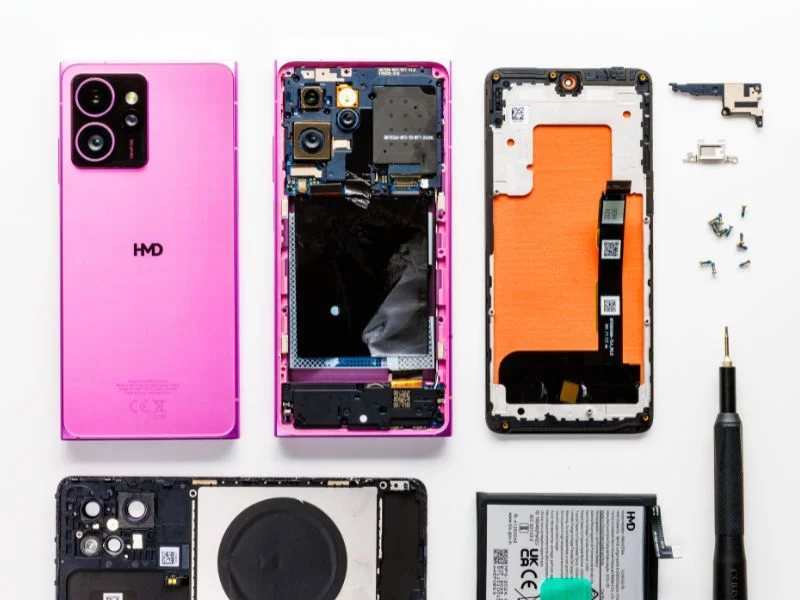
Modern smartphones are often criticized for their “planned obsolescence”—a design philosophy that prioritizes frequent upgrades over durability and reparability. HMD sought to challenge this norm by designing devices that consumers could easily repair themselves. Key elements of this strategy included:
- User-Centric Design: Models such as the Nokia G22 and G42 5G were designed with DIY repairs in Users could replace common wear-and-tear components like screens, batteries, and back covers using basic tools. This approach made repairs accessible and cost-effective, reducing the financial and environmental burden of device replacement.
- Collaboration with iFixit: Recognizing that reparability requires more than just hardware, HMD partnered with iFixit, a leading provider of repair guides and replacement parts. This partnership ensured that consumers had the resources they needed to maintain their devices, reinforcing HMD’s commitment to usability and sustainability.
HMD Global embraced a partnership-driven model that allowed it to focus on core competencies while leveraging the strengths of industry leaders.
HMD’s emphasis on reparability aligns seamlessly with broader societal trends toward sustainability. The growing “right to repair” movement, coupled with increasing awareness of electronic waste, has fostered an environment where repairable devices are viewed not merely as novelties but as necessities. By extending the lifespan of its smartphones and incorporating recycled materials into its designs, HMD has successfully appealed to environmentally conscious consumers, particularly younger demographics. This commitment to sustainability has positioned HMD among the top 1% of companies globally, earning it a prestigious EcoVadis Platinum rating for three consecutive years.
HMD also plays a purposeful role in the digital detox movement by offering consumers tangible solutions to manage screen time and mental well-being. The company has spearheaded the resurgence of feature phones, like the Nokia 2660 Flip, as an alternative for those seeking a break from digital overload. With initiatives like The Better Phone Project, HMD is going even further, working with parents, experts, and campaigners to co-create devices that offer balance and control over smartphone use—particularly for younger generations. As concerns about screen addiction and mental health rise, HMD is not just highlighting the problem but providing real, practical solutions that empower consumers to reconnect with themselves and their surroundings.
A Partnership-Centric Growth Path
HMD’s future growth is anchored in the power of partnerships with three key growth paths:
Device Financing
HMD’s device financing initiatives are powered by a partnership with M-KOPA, a leading micro-finance institution. This innovative model integrates HMD’s proprietary Softlock technology with its partner’s financing capabilities. By eliminating the need for large upfront payments, HMD enables customers—particularly in emerging markets—to adopt a pay-as-you-go model, allowing them to own high-quality smartphones through affordable and flexible payment plans. This strategy addresses the digital divide, it could enable millions of people in underserved markets to participate in the digital economy. This partnership facilitates access to premium devices, enhances productivity, connects individuals with opportunities, and improves quality of life. HMD’s partnership-driven financing model is positioned as a catalyst for social and economic inclusion.
Secure Devices
In the secure device market, HMD recognizes that partnerships are the driving force behind innovation and growth. Through joint R&D investments with strategic partners, the company is expanding its presence in critical sectors such as the military and healthcare, where security and reliability are paramount.
By extending the lifespan of its smartphones and incorporating recycled materials into its designs, HMD has successfully appealed to environmentally conscious consumers, particularly younger demographics.
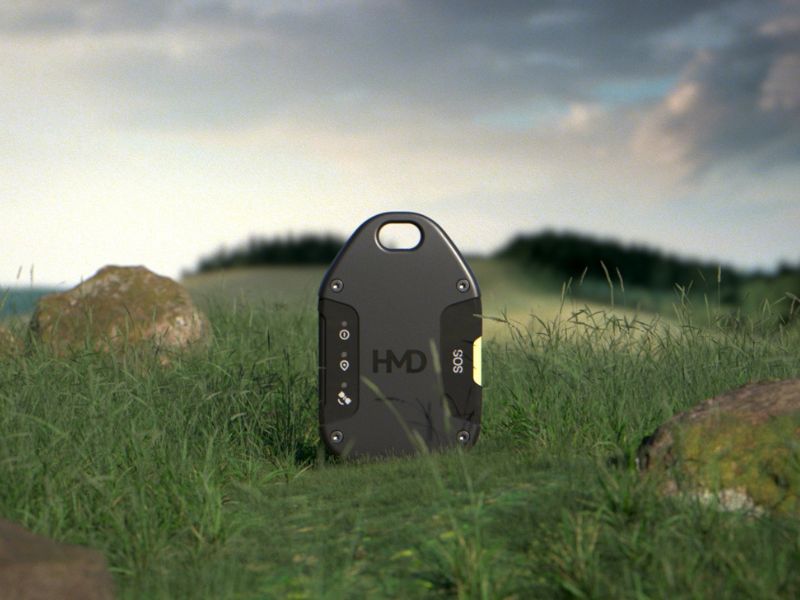
One such partnership is the HMD’s OffGrid initiative, in collaboration with Bullitt and FocusPoint, which represents a strategic move into the rugged and emergency communication segment. By partnering with Bullitt, a leader in satellite and rugged mobile technology, HMD ensures that its OffGrid solutions meet the demands of users in extreme environments, from outdoor adventurers to remote workers. FocusPoint’s expertise in crisis response and global assistance further enhances the offering, providing users with reliable safety and emergency connectivity services. This partnership positions HMD at the intersection of durability, security, and advanced mobile connectivity, expanding its portfolio beyond traditional consumer devices.
Family-Oriented Services
HMD’s family-focused solutions are built on its collaboration with Xplora, a leader in wearable technology. Xplora combines safety, communication, and activity-tracking features to offer families practical tools for staying connected. In this partnership, HMD’s device portfolio serves as the foundation for Xplora’s innovative services. Xplora’s technology allows parents to monitor their children’s location in real-time, set safe zones, and communicate with pre-approved contacts via voice calls or text messages—eliminating the risks associated with traditional smartphones. By combining HMD’s robust hardware capabilities with Xplora’s expertise in family-oriented software and services, the partnership delivers comprehensive solutions tailored to the unique needs of families.
Across all these initiatives, partnerships are not merely a minor complementary aspect of HMD’s growth strategy—they are its foundation. By fostering collaboration, co-innovation, and shared vision with key partners, HMD is unlocking new opportunities, expanding its reach, and delivering solutions that drive mutual success in an increasingly competitive landscape.
Reflections and Lessons for Small Businesses
HMD’s journey offers valuable insights for other small companies navigating industries dominated by large incumbents. Key lessons include:
- Leverage Strategic Partnerships: By collaborating with established players like Nokia, Foxconn, Google and Qualcomm, as well as global players like Heineken, Mattel and FC Barcelona, HMD was able to punch above its weight, accessing resources and expertise that would have been unattainable independently.
- Identify and Own a Niche: HMD’s focus on reparability and mental health allowed it to stand out in a crowded market. For small businesses, finding and owning a specific niche can be a powerful strategy for differentiation.
- Align with Societal Trends: HMD’s emphasis on sustainability and tangible solutions to mental health reflects an astute understanding of emerging consumer values. Companies that align their offerings with emergent trends are better positioned to achieve long-term relevance.
- Be Adaptive: HMD’s ability to pivot from nostalgic feature phones to sustainability and detox-focused smartphones demonstrates the importance of adaptability. Small businesses must remain flexible to respond to changing market dynamics.
Overcoming Challenges in A Competitive Landscape

HMD’s story is one of resilience, innovation, and collaboration that led to the creation of the largest European mobile phone company, with 520 employees across 30+ countries and shipping to approximately 100 nations.
By embracing a partnership-driven model and focusing on reparability, the company has carved out a unique position in the mobile device market. Yet, in its quest for long-term survival, HMD faces formidable challenges. The mobile device market is characterized by intense competition, rapid innovation cycles, and significant marketing expenditures—factors that favour established giants.
While reparability and mental health are compelling differentiators, they are not yet the primary purchasing criterion for most consumers. HMD must balance the need to innovate in other areas, such as camera technology and processing power while maintaining its commitment to affordability. Also, as a smaller company, HMD is more susceptible to disruptions in its supply chain, whether due to COVID-19, geopolitical tensions, market tensions, or natural disasters. Finally, competing against companies with massive advertising budgets presents a significant hurdle. HMD must continue to rely on creative and cost-effective marketing strategies as well as global partners for broader reach to build brand awareness and communicate its value proposition.
As HMD looks to the future, it must double down on its collaborative ethos, forging new partnerships and strengthening existing ones. The company’s ability to survive and thrive will depend not only on its innovations but also on its capacity to build a robust ecosystem of allies. In a world where no company is an island, the spirit of partnership is not just a strategy—it is the only way forward.
Collaboration is a mindset that demands ambition, clarity, and trust. Organizations must approach partnerships with a commitment to shared growth, openness, and the willingness to tackle challenges together. When this mindset is in place, partnerships can unlock new market opportunities, enhance operational excellence, and drive meaningful innovation.