In the fast-paced world of manufacturing, efficiency and precision are paramount. Filling machines have become indispensable tools in various industries, from food and beverage to pharmaceuticals and cosmetics. These machines are designed to automate the process of filling containers with liquids, powders, or granules, significantly enhancing production speed and accuracy. As businesses strive to meet increasing consumer demands, the role of filling machines in streamlining operations and reducing costs cannot be overstated. This article delves into the ways in which filling machines, particularly can filling machines, can improve production efficiency, offering insights into their benefits and applications.
How Can Filling Machines Improve Production Efficiency?
Filling machines are engineered to optimize the filling process, ensuring that products are packaged quickly and accurately. This automation reduces the need for manual labor, minimizing human error and increasing the consistency of the final product. By automating the filling process, companies can achieve higher throughput, allowing them to meet larger orders and reduce lead times. This is particularly crucial in industries where time-to-market is a competitive advantage.
One of the key advantages of using filling machines is their ability to handle a wide range of product viscosities and container sizes. This versatility means that a single machine can be used for multiple products, reducing the need for multiple specialized machines and saving on equipment costs. Additionally, modern filling machines are equipped with advanced technology that allows for precise control over the filling process, ensuring that each container is filled to the exact specifications. This precision not only improves product quality but also reduces waste, as there is less likelihood of overfilling or spillage.
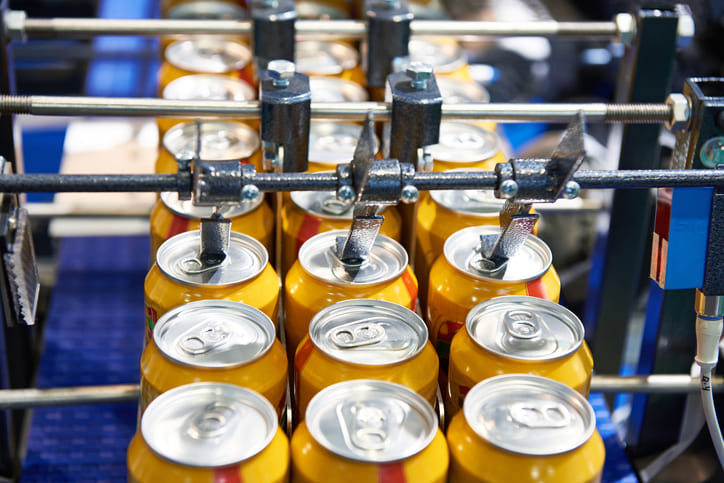
For instance, can filling machines are specifically designed to handle the unique challenges of filling cans with beverages or other liquid products. These machines are capable of filling hundreds of cans per minute, significantly boosting production capacity. They are also equipped with features such as automatic can feeding, filling, and sealing, which further streamline the production process. By investing in such advanced machinery, companies can enhance their operational efficiency and maintain a competitive edge in the market.
Reducing Operational Costs with Filling Machines
In addition to improving production efficiency, filling machines can also lead to significant cost savings. By automating the filling process, companies can reduce their reliance on manual labor, which is often one of the largest expenses in manufacturing. This reduction in labor costs can be particularly beneficial for small and medium-sized enterprises that may not have the resources to maintain a large workforce.
Furthermore, filling machines are designed to minimize product waste. The precision with which these machines operate ensures that each container is filled with the exact amount of product, reducing the likelihood of overfilling and the associated costs of wasted materials. This precision also means that companies can better manage their inventory, as they have a more accurate understanding of how much product is being used and how much is available for future orders.
Maintenance and downtime are other areas where filling machines can help reduce costs. Modern filling machines are built with durability and reliability in mind, requiring less frequent maintenance and experiencing fewer breakdowns. This reliability means that production can continue uninterrupted, reducing the costs associated with downtime and ensuring that orders are fulfilled on time.
Enhancing Product Quality and Consistency
The use of filling machines also contributes to improved product quality and consistency. In industries such as food and beverage or pharmaceuticals, maintaining consistent product quality is essential for meeting regulatory standards and ensuring customer satisfaction. Filling machines provide the precision and control needed to ensure that each product is filled to the exact specifications, reducing variability and ensuring that each unit meets the same high standards.
This consistency is particularly important for brands that rely on their reputation for quality. By using filling machines, companies can ensure that their products are consistently high-quality, helping to build and maintain consumer trust. Additionally, the automation provided by filling machines reduces the risk of contamination, as the product is handled less frequently by human operators. This is especially important in industries where hygiene and safety are critical, such as pharmaceuticals and food production.
In conclusion, filling machines are a vital component of modern manufacturing, offering numerous benefits that enhance production efficiency, reduce costs, and improve product quality. By investing in advanced filling technology, companies can streamline their operations, meet consumer demands more effectively, and maintain a competitive edge in their respective industries.