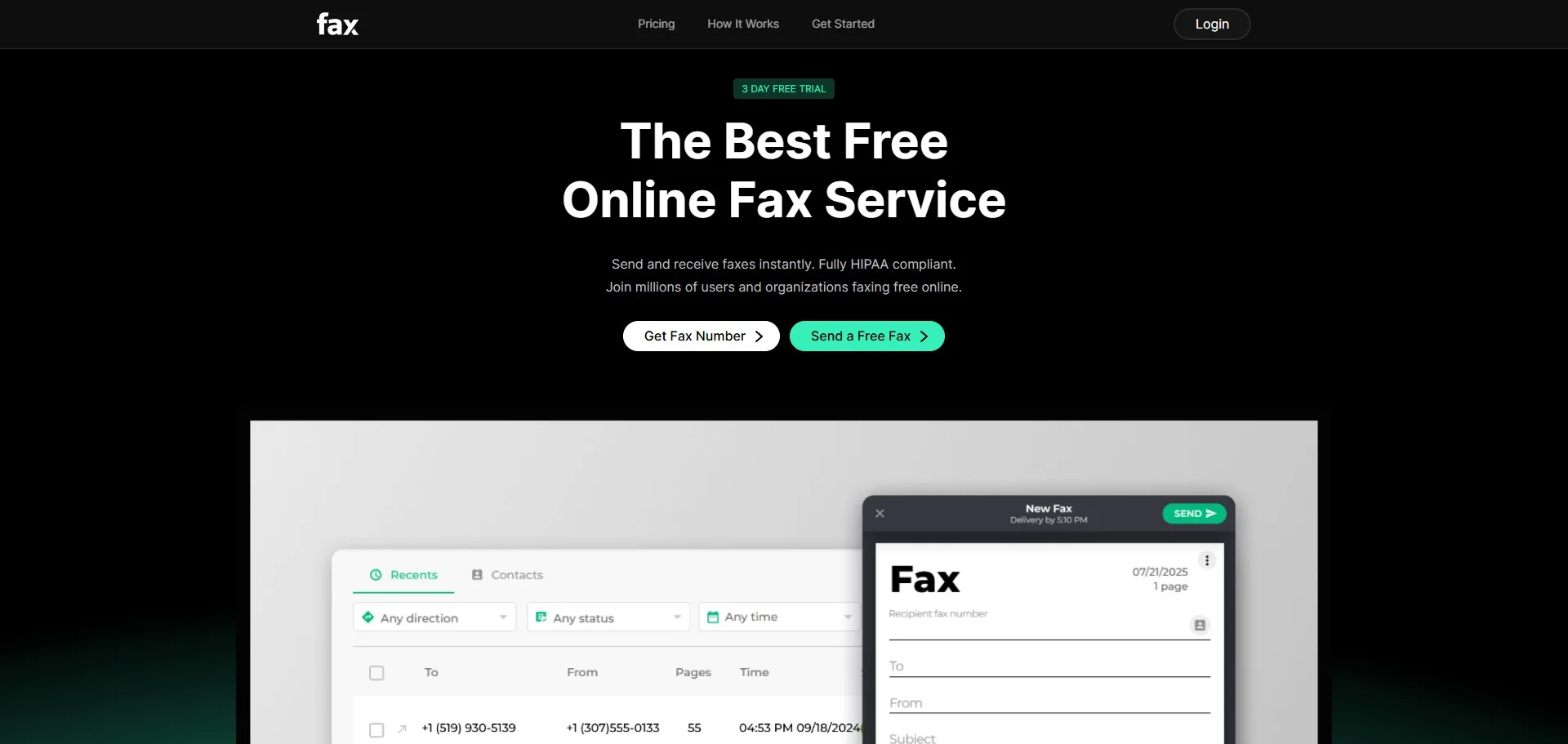
As European governments and enterprises intensify their pursuit of “digital sovereignty,” a strategic re-evaluation of technology stacks is underway. High-profile decisions, such as France’s move to replace US-based collaboration tools, capture headlines, but a more fundamental transformation is taking place within the enterprise itself. A recent report by McKinsey indicates that 70% of European companies have accelerated their digital transformation initiatives post-pandemic. Leaders are scrutinizing the foundational, often-overlooked legacy systems that underpin their operations. Among these, the traditional fax machine stands out as a prime candidate for modernization—a mission-critical tool whose hardware form imposes high hidden costs and security risks.
This analysis explores the persistent role of fax in modern business and deconstructs the operational and financial liabilities of legacy hardware. More importantly, it examines how modern, cloud-based platforms like Fax.xyz offer a strategic pathway for cost-conscious European businesses to enhance security, achieve significant savings, and modernize critical document workflows without disruption. The shift represents a move toward operational resilience, addressing internal systems with the same strategic focus applied to macro-level technology choices. This modernization is not merely an IT upgrade but a critical business decision for maintaining a competitive edge in a rapidly changing market.
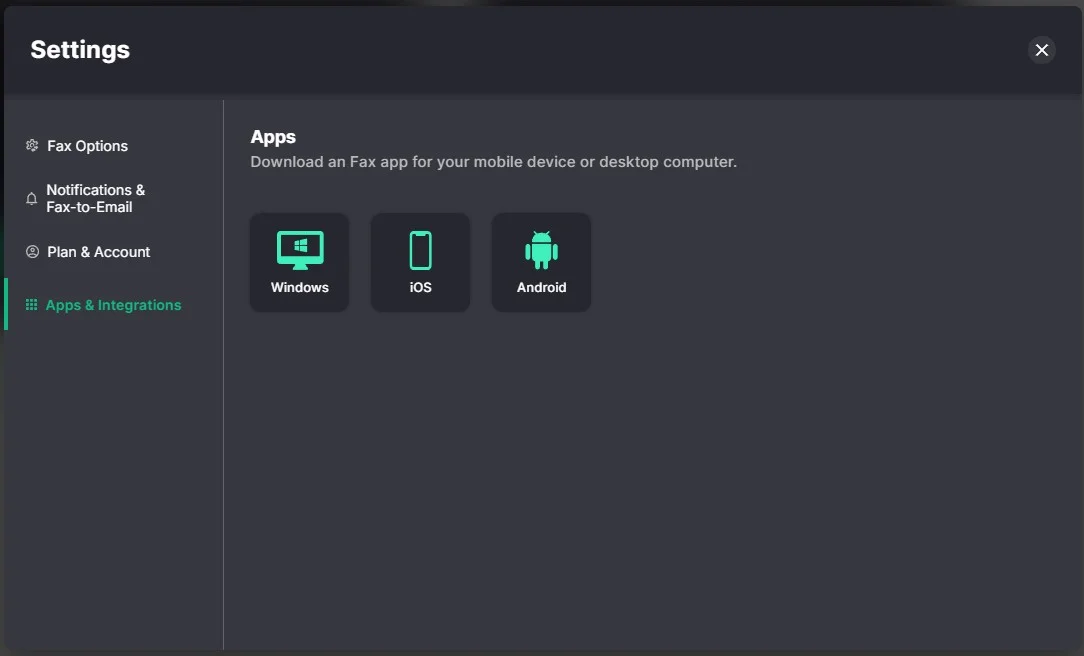
The transition to digital workflows requires modernizing all communication channels, including fax, to ensure security and efficiency.
The Enduring Paradox of the Fax Machine
Despite numerous government-led initiatives to “axe the fax,” the technology’s demise has been greatly exaggerated. Its persistence is not due to institutional inertia but to its unique legal standing as a secure and verifiable method for transmitting signed documents. In fact, fax still accounts for over 75% of all medical communication in some regions due to its perceived security and established presence. In key European sectors, fax remains an indispensable communication channel. In healthcare, it is a trusted medium for sharing sensitive patient records between clinics and hospitals. For legal professionals, it is an accepted method for filing court documents and serving official notices. Similarly, the finance, insurance, and real estate industries rely on it for executing legally binding contracts and agreements where a verifiable transmission record is paramount.
This reality presents a paradox for modern businesses. While the function of faxing is non-negotiable, the physical machine itself is a relic of a bygone technological era. The strategic imperative, therefore, is not elimination but evolution. Research from IDC shows that businesses still relying on analog processes are 50% more likely to experience significant operational delays compared to their digitized counterparts. The challenge is to retain the utility of fax communication while shedding the inefficiency and insecurity of the hardware. This means finding a solution that preserves the legal and procedural validity of fax transmissions while bringing the process into the 21st-century digital ecosystem.
The Unseen Drag on a Lean Enterprise: Deconstructing the Cost of a Fax Machine
For any executive focused on operational efficiency, the true cost of a traditional fax machine extends far beyond its initial purchase price. A closer analysis reveals a cascade of direct and indirect expenses that act as a persistent drag on resources and productivity. Market analysis indicates that the total cost of ownership for a physical fax machine can be up to ten times its sticker price when accounting for consumables, maintenance, and associated labor over a three-year period. These accumulating expenses present a clear case for re-evaluating the technology’s place in a modern, cost-conscious enterprise.
Direct Financial Outlays
The most visible costs are the recurring operational expenses. These include dedicated analog phone lines, which can cost businesses an average of €40-€60 per month per line. This is compounded by the constant consumption of paper, toner, and specialized cartridges, with annual supply costs often exceeding €500 per device in high-usage environments. Furthermore, aging hardware requires expensive maintenance contracts and inevitable repairs, creating unpredictable budgetary demands that disrupt financial planning. When scaled across multiple departments or locations, these seemingly minor costs aggregate into a significant and unnecessary financial burden that directly impacts the bottom line.
Operational Inefficiencies and Productivity Costs
The more substantial costs, however, are operational. Physical faxing is a fundamentally manual process that consumes valuable employee time, with studies suggesting that office workers can spend up to 20 minutes daily managing physical document transmissions. Staff must physically collect documents, wait for transmission, confirm delivery, and then manually scan and file both sent and received items. This process lacks remote accessibility, tethering critical workflows to a single physical location and hindering the productivity of remote or hybrid teams. Most significantly, it creates an information silo, completely disconnected from modern digital ecosystems like customer relationship management (CRM) platforms or cloud-based document management systems, where data integration is key to efficiency.
The Security and Compliance Liability
In an age of heightened data privacy regulations like GDPR, the traditional fax machine represents a critical security vulnerability. According to a report by Verizon, human error is a contributing factor in over 80% of data breaches, a risk that physical faxing magnifies. Sensitive documents containing personal or financial data can be left unattended in output trays, visible to anyone passing by. There is no reliable digital audit trail to track who sent, received, or viewed a document. This lack of oversight makes proving compliance a daunting task and exposes the organization to significant risk and potential fines in the event of a data breach.
A Practical Pathway to Modernisation: The Cloud-Based Alternative
The definitive solution to these challenges lies in migrating from hardware to a secure, cloud-based, online fax service. These platforms transform faxing into a fully digital workflow, aligning it with the operational and security standards of a modern enterprise. As a leading and practical example of this model, Fax.xyz provides a comprehensive solution designed to address the core weaknesses of legacy systems. The adoption of such cloud-based communication tools can reduce overall operational expenditures by as much as 30%, according to Gartner research on business process modernization. This makes the transition not just an upgrade, but a sound financial decision.
Driving Down Costs, Boosting Agility
A solution like Fax.xyz immediately eliminates all hardware-related expenditures—the machine, the phone line, the toner, and the maintenance. This converts an unpredictable capital expenditure (CapEx) into a transparent and scalable operational expenditure (OpEx), a model favored by 93% of enterprises for its flexibility. The agility gains are profound; employees can securely send and receive faxes from any device—desktop, laptop, or mobile—as easily as sending an email. This untethers critical business processes from the physical office, empowers a more flexible and responsive workforce, and ensures business continuity regardless of location.
Achieving Enterprise-Grade Security and Compliance
Perhaps the most compelling advantage for European businesses is the dramatically enhanced security. Fax.xyz is built on a foundation of robust data protection, offering full HIPAA compliant fax capabilities. While HIPAA is a US healthcare standard, its stringent requirements for data privacy and security serve as a global benchmark for protecting sensitive information, assuring clients of its robust protocols. All documents are protected with 256-bit SSL end-to-end encryption, both in transit and at rest—a security standard trusted by financial institutions worldwide. This, combined with real-time delivery tracking and secure cloud storage, creates the immutable audit trail necessary for demonstrating GDPR compliance and mitigating risk.
A Risk-Free Transition with a Free Trial
For executive teams, the primary concern with any new technology adoption is the risk of disruption. Recognizing this, platforms like Fax.xyz offer a free trial, which serves as a strategic evaluation tool. It allows an organization to pilot the service, validate its seamless integration into existing workflows, and quantify the benefits without any upfront financial commitment. This approach to software adoption is gaining traction, with a recent survey indicating that 65% of businesses prefer a trial period before committing to a new enterprise tool. Key departments can send a free fax, test the mobile applications, and confirm the platform’s reliability before making a decision, ensuring a smooth and confident transition.
From Legacy Liability to Strategic Asset
For European businesses navigating a complex economic and geopolitical landscape, operational efficiency and data security are not just goals; they are competitive necessities. The choice is no longer between retaining an outdated fax machine or abandoning a critical communication channel. The rise of sophisticated cloud fax solutions has created a third, far superior option that addresses both legacy requirements and modern business demands. A recent Forrester report highlights that companies leading in technology adoption are twice as likely to report double-digit revenue growth.
By moving to a secure digital platform like Fax.xyz, organizations can eliminate a source of hidden costs and compliance risks. They can transform a clunky, manual process into a streamlined, secure, and agile workflow that integrates perfectly with the modern digital workplace. For today’s European leaders, the question is not whether they will be forced to confront their legacy systems. The question is whether they will proactively transform them into the secure, efficient, and strategic assets required by a modern enterprise.
All the photos in the article are provided by the company(s) mentioned in the article and are used with permission.
Disclaimer: This article contains sponsored marketing content. It is intended for promotional purposes and should not be considered as an endorsement or recommendation by our website. Readers are encouraged to conduct their own research and exercise their own judgment before making any decisions based on the information provided in this article.