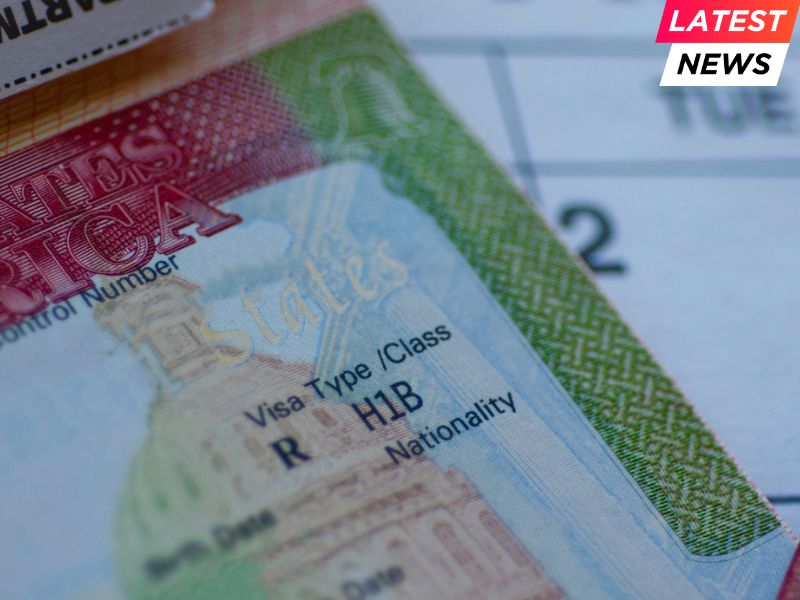
Major U.S. corporations and foreign governments are scrambling to respond after President Donald Trump announced late Friday that his administration will impose a $100,000 fee on new H-1B visas. The measure, which does not apply to renewals or current holders, is set to take effect in the next lottery cycle.
A White House official clarified that the charge is a one-time fee, not an annual levy, and that it will not affect lottery winners from 2025. The new rule marks the administration’s most aggressive attempt yet to restrict legal immigration, targeting the visa program that supplies tens of thousands of skilled workers to the nation’s technology and financial industries.
Amazon, the single largest employer of H-1B holders with more than 14,000 on staff as of June, has told employees to remain in the U.S. and advised those overseas to return before the policy takes effect on Sept. 21. JPMorgan Chase’s legal counsel issued similar guidance, warning staff not to travel internationally until further notice. Goldman Sachs urged caution in a memo citing advice from immigration firm Fragomen, while Microsoft instructed visa holders to stay in the country and avoid travel that could jeopardize their status.
Other leading tech companies such as Meta, Apple and Google, each employing more than 4,000 H-1B workers, are among the top 10 visa recipients and could face significant disruption. CNBC has reached out to all major employers on the government’s top 100 H-1B recipient list for comment.
White House spokeswoman Taylor Rogers defended the decision, saying it was designed to protect U.S. workers. “President Trump promised to put American workers first, and this commonsense action does just that by discouraging companies from spamming the system and driving down wages,” Rogers told CNBC. She added that the policy would create “certainty” for businesses seeking genuinely high-skilled employees.
The announcement drew swift concern overseas. India’s Ministry of External Affairs said it was reviewing the restrictions and stressed that both U.S. and Indian industries benefit from cross-border collaboration in technology. It also warned of personal disruption for families. “This measure is likely to have humanitarian consequences by way of the disruption caused for families. Government hopes that these disruptions can be addressed suitably by the US authorities,” the ministry said.
South Korea’s foreign ministry also confirmed it is assessing the impact on Korean firms and skilled professionals.
The new policy adds uncertainty for multinational corporations and foreign governments alike as they prepare for one of the most sweeping changes to the H-1B visa system in decades.
Related Readings: