Industrial operations are changing fast. Across Europe and around the world, manufacturers, energy companies, logistics hubs, and large industrial facilities are adopting automation on a massive scale. Robotics, machine learning, predictive maintenance tools, and smart monitoring systems are no longer experimental—they’re becoming essential parts of how modern plants run.
But even as automation grows, one truth remains unchanged: technology still depends on people. No matter how advanced a system is, it only performs as well as the skilled workers who install it, maintain it, troubleshoot it, and continually improve it. The plants that will ultimately win in this new era are the ones that treat technology and human expertise as partners, not substitutes.
Automation Is Rising—But Skilled Trades Remain Irreplaceable
Today’s industrial environments look very different from those of a decade ago. Plants are using autonomous vehicles to move materials, robots to handle precision tasks, and digital tools to predict failures before they happen. These innovations cut downtime, boost quality, and make operations more efficient.
Yet all of these systems still rely heavily on skilled tradespeople.
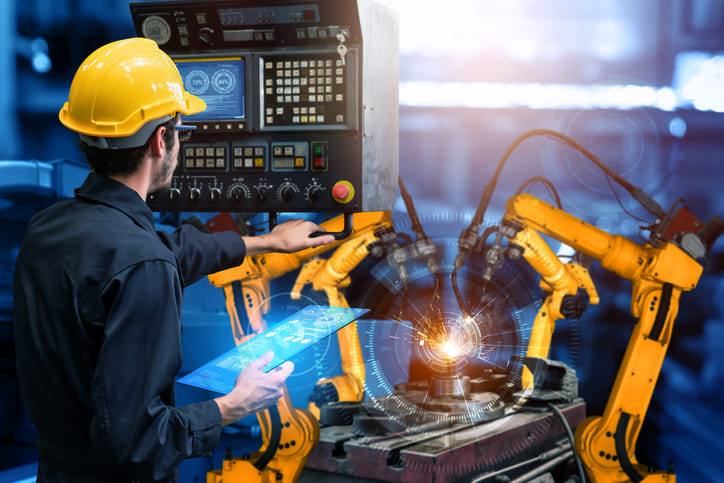
Electricians are needed to install and configure new automation. Millwrights and mechanics keep equipment aligned and running smoothly. Welders and fabricators play a critical role in plant upgrades and new installations. Technicians use digital diagnostics and software tools to keep operations stable.
What many companies are discovering, however, is that finding workers who can handle both traditional mechanical work and modern digital technology is increasingly difficult. That’s why some facilities turn to specialized partners who understand industrial requirements. For example, organizations offering industrial construction trades staffing assistance can help plants secure experienced trades professionals during expansions, shutdowns, automation upgrades, and maintenance projects—especially when internal teams are stretched thin.
This balance of technology and human skill is becoming the foundation of modern industrial productivity.
The New Industrial Workforce: Tech-Enabled and Hands-On
Automation isn’t eliminating skilled trades—it’s reshaping them.
Today’s industrial workforce needs to understand more than tools and machinery. They must also work confidently with sensors, software interfaces, data dashboards, and robotics. As a result, new hybrid roles are emerging inside modern plants, including:
- Automation technicians who support robotic systems
- Mechatronics specialists who blend mechanical, electrical, and software skills
- Instrumentation technicians responsible for complex sensors and control systems
- Industrial electricians trained in both power systems and digital automation
This shift makes ongoing training and workforce development more important than ever. Plants that continuously upskill their teams—or bring in outside specialists when needed—are the ones best equipped to navigate technological change.
How Automation and Skilled Trades Boost Productivity Together
Automation and skilled trades complement each other in ways that dramatically improve performance. When both are used strategically, companies see benefits across the entire operation.
1. Projects Move Faster
Automation speeds up production, but skilled workers are the ones who install, calibrate, and optimize those systems—leading to faster commissioning and fewer delays.
2. Uptime Improves
Sensors and predictive tools can identify issues, but skilled trades teams still perform the repairs and adjustments. Together, they reduce unexpected downtime and keep equipment running at peak performance.
3. Safety Increases
Automation removes workers from high-risk tasks, but safety systems themselves must be installed and maintained by trained professionals. Skilled trades ensure these technologies function properly.
4. Labor Resources Become More Flexible
Automation lets plants scale production efficiently, while temporary or project-specific skilled labor can fill gaps during major projects or seasonal demand swings. This creates a more adaptable workforce model.
The combination of technology and human craftsmanship creates an operation that is faster, smarter, and more resilient.
Challenges Leaders Face When Bringing Automation and Skilled Labor Together
Despite all the benefits, integrating advanced technology with a traditional workforce isn’t easy. Many leaders face similar obstacles:
• Skills Gaps
Not all workers are trained in new digital tools, forcing companies to invest in upskilling or seek outside help.
• A Retiring Workforce
Many experienced tradespeople are nearing retirement age, widening the labor gap and putting more pressure on recruitment.
• Greater Technical Complexity
Automation introduces systems that require cross-disciplinary knowledge, something traditional job roles weren’t originally designed to cover.
• Operational Resistance
Implementing new technology often means changing familiar workflows, which can create uncertainty and resistance if not managed well.
Companies that proactively address these challenges will gain a major advantage as industrial technology continues to evolve.
Strategies for Building a Future-Ready Industrial Workforce
Organizations that successfully combine automation with strong human expertise share several common strategies:
1. Prioritize Continuous Training
Teaching workers how to operate and maintain modern automation tools helps bridge the skills gap.
2. Develop Hybrid Skills
Encouraging workers to expand into mechatronics, robotics, or automation technology builds more capable, cross-functional teams.
3. Use Specialized Staffing Support When Needed
External staffing experts can provide skilled tradespeople during major automation upgrades, peak workloads, or capital projects—ensuring continuity without overloading internal staff.
4. Use Data to Forecast Workforce Needs
Predictive analytics make it easier to plan for training, hiring, and the timing of external labor support.
5. Strengthen Collaboration Across Departments
When engineers, technicians, and operations teams communicate effectively, automation integrates more smoothly and delivers better results.
Conclusion: The Future Depends on Both Technology and Talent
The future of industrial operations isn’t a competition between machines and people—it’s a partnership. Automation delivers speed, precision, and consistency, while skilled trades workers bring the experience, decision-making, and adaptability that technology cannot replace.
As industrial facilities across Europe modernize, those that invest in both automation and a highly trained workforce will see the greatest gains in productivity, safety, and long-term competitiveness. The strongest industrial operations of the future will be the ones that recognize the power of blending technology with human skill—and commit to building that balance today.