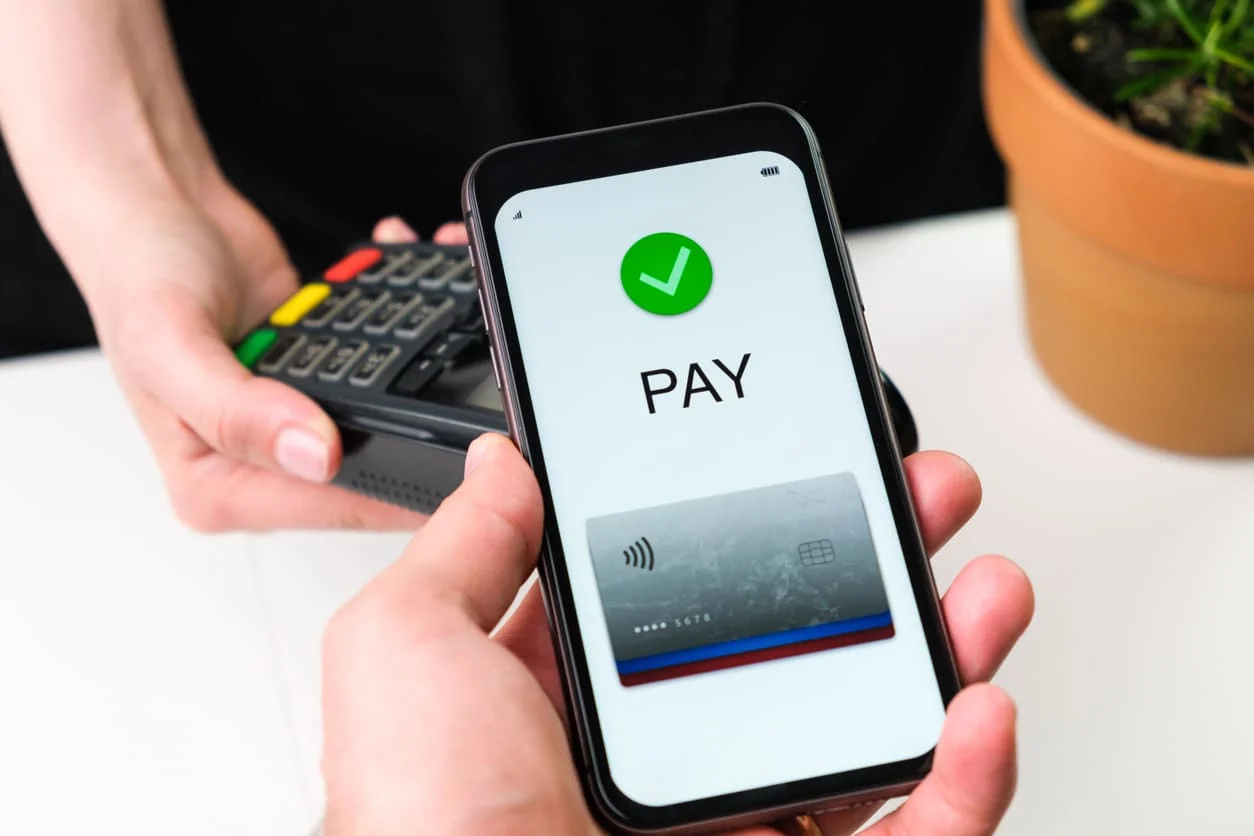
Antom payment platform evaluations often begin with a coverage number. US companies need a deeper view. International acceptance depends on checkout, payment methods, fraud decisions, currency handling, notifications, reports, settlement, and support operating as one traceable system.
Antom publishes platform-wide figures of more than 200 payment markets, 300 payment methods, 140 currencies, and 99.999% system uptime. Those figures describe broad infrastructure. They do not guarantee a specific merchant’s enabled scope or results.
This guide shows how to examine the platform as an operating architecture, connect public capabilities to contract terms, and prepare a controlled expansion route.
Map the Architecture to One Market
Map 11 operating nodes for 1 priority country: buyer device, checkout, merchant server, Antom connection, payment method, notification handler, order system, risk review, refund process, reporting, and settlement bank. Each node needs an owner and failure response.
- Define the buyer journey and local method demand for the target market with customer, device, order, and revenue evidence.
- Confirm the signing entity, acquiring region, transaction currencies, settlement currency, bank destination, contractual limits, and permitted production market, customer, commercial, and risk scope in writing.
- Assign engineering, risk, finance, operations, and support owners to the flow, its controls, and every exception path, then record approvals in the launch file.
Five Infrastructure Layers to Verify
A antom payment platform review should separate 5 infrastructure layers: experience, integration, methods and routing, risk and security, and finance data. One connection may reduce duplicated work, but every layer still needs configuration, monitoring, evidence, and ownership.
Experience Layer
Hosted checkout, embedded components, payment elements, and custom API flows offer different balances of speed and control. Teams should test localization, accessibility, mobile behavior, redirects, app handoffs, expiration, errors, and the return path for every important method.
Integration Layer
Antom materials support at least 4 integration families: server or client SDKs, API-only, hosted checkout, and embedded components. Integration design must still define authentication, idempotency, timeouts, retry limits, notification verification, status inquiry, version changes, and observability.
Method and Routing Layer
The platform directory includes cards and many local alternatives, while payment orchestration can connect multiple providers or routes. Method availability, product compatibility, and acquiring support vary, so the merchant needs a market-by-market enablement matrix.
Risk and Security Layer
Risk controls use transaction and behavioral signals to detect suspicious activity. Merchants should confirm data responsibilities, rule ownership, authentication flows, manual review, chargeback operations, and incident escalation. Stronger blocking is not automatically better if valid approvals fall.
Finance and Data Layer
Antom’s Reports module provides Transactions, Settlement details, and Settlement summary reports, with the summary generated by 11:59 PM on the day after settlement. Their IDs, conversion and fee fields, refund records, batch IDs, and net settlement amounts support reconciliation with internal records and bank statements.
Three Build Choices for US Teams
Architecture should reflect the merchant’s capabilities, not the most customizable option available. A fast launch may favor provider-managed components, while a mature payment team may need deeper control over presentation, routing, data, and change management.
Compare each build choice against the same requirements and test cases. A consistent scorecard should cover delivery time, customer experience, localization, security ownership, operational burden, method compatibility, observability, maintenance, and the cost of future market changes.
Prebuilt Checkout
A hosted or prebuilt flow can reduce front-end development and shorten delivery. It still requires merchant-server integration, account configuration, notification processing, order-state controls, customer messaging, refund procedures, reconciliation, and a plan for method-specific redirects or app handoffs.
Component-Based Experience
Embedded elements can keep the shopper inside the merchant experience while using provider components for sensitive steps. Teams should verify browser support, styling boundaries, accessibility, data flow, error states, and how component updates are tested before release.
API-Led Control
API-only development offers more control over flow and interface. It also increases responsibility for secure design, client and server coordination, state recovery, regional method behavior, monitoring, documentation, and regression testing. Custom control should serve a measurable requirement.
Two Data Loops After Launch
Use 2 linked data loops after launch: payment performance and finance control. The first tracks attempts, approval, abandonment, fraud, and refunds; the second tracks fees, conversion, settlement, and reserves. Join them through stable IDs rather than 1 vague score.
Set data definitions before the pilot. Teams should agree on attempt, approval, success, abandonment, refund, dispute, fraud loss, conversion, fee, and settlement exception measures, including the denominator, time window, currency treatment, exclusions, and responsible source system.
Payment Performance Loop
Review attempts, approvals, customer abandonment, method share, latency, fraud decisions, disputes, and refund outcomes by country, currency, method, device, and issuer region. Use qualified language when diagnosing causes, because provider data may suggest rather than prove a driver.
Finance Control Loop
Reconcile successful transactions, conversion records, fees, to-be-settled balances, settlement batches, refunds, and reserves. Antom payment platform documentation shows that settlement currency and timing are contract-specific, making the contract and Dashboard calendar essential finance controls.
Four Gates Before Adding a Market
Require 4 repeatable gates before adding a market: demand, capability, operations, and control. A directory logo is not approval; the merchant needs business, technical, risk, finance, and support evidence tied to the same entity and money route.
Demand Gate
Confirm customer demand, expected order volume, average order value, refund rate, device mix, and local method preferences. Estimate uncertainty openly. A low-confidence revenue forecast should not justify a complex payment build without a staged test.
Capability Gate
Obtain written confirmation for acquiring scope, payment products, enabled methods, transaction currencies, settlement currency, refunds, disputes, integration modes, and merchant-category restrictions. Platform-wide totals are screening evidence, not a substitute for an account configuration.
| Gate | Required Evidence | Decision Owner |
| Demand | 1 buyer and revenue case | Market lead |
| Capability | 1 contract and account matrix | Payments lead |
| Operations | 7 outcome paths tested | Operations lead |
| Control | 2 approvals: risk and finance | Risk and finance |
Operations Gate
Complete successful, failed, delayed, expired, duplicate, refunded, and disputed test paths where supported. Confirm reports, dashboards, case escalation, customer scripts, and monitoring. The Antom payment platform should be observable before it becomes business-critical.
Control Gate
Risk and finance should approve rule ownership, data handling, reconciliation, conversion treatment, settlement terms, reserves, incident response, and audit records. No market should launch with unresolved ownership hidden behind a general provider relationship.
Design for Controlled Expansion
Global payment infrastructure creates leverage when teams reuse a sound architecture while preserving market-specific configuration. US companies should verify each Antom payment platform layer, connect promises to contracts, and keep country-level performance and finance controls visible.
Start with one measurable route, document exceptions, and expand through the same gates after accountable owners approve the evidence, runbooks, and controls. That approach reduces repeated integration work and clarifies ongoing ownership without assuming that every market, method, currency, customer path, risk profile, refund process, or settlement route behaves the same way.
Disclaimer: This article contains sponsored marketing content. It is intended for promotional purposes and should not be considered as an endorsement or recommendation by our website. Readers are encouraged to conduct their own research and exercise their own judgment before making any decisions based on the information provided in this article.