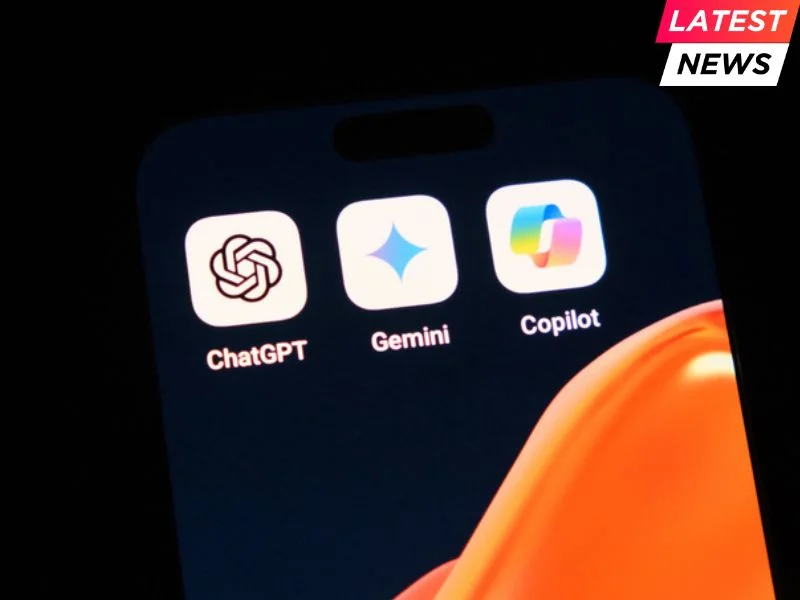
OpenAI has introduced a new artificial intelligence-powered web browser called ChatGPT Atlas, signaling its latest move to challenge tech giants like Google, which dominates the global browser market with Chrome.
The company announced on Tuesday that Atlas is now available for Apple’s MacOS users. Unlike traditional browsers, Atlas removes the familiar address bar and instead allows users to navigate and search directly through ChatGPT. OpenAI CEO Sam Altman said the browser was “built around ChatGPT,” describing it as a more conversational way to explore the web.
The launch marks a strategic effort by OpenAI to expand beyond chat-based tools and find new ways to generate revenue from its rapidly growing user base. Atlas also introduces an exclusive “agent mode” feature, available only to paying ChatGPT subscribers. This mode enables the chatbot to perform searches autonomously, refining results and enhancing speed by using the browsing context.
OpenAI has been broadening its online ecosystem through partnerships with major e-commerce and travel platforms such as Etsy, Shopify, Expedia, and Booking.com. These collaborations aim to integrate ChatGPT’s AI capabilities directly into user experiences like shopping, booking, and personalized recommendations.
The timing of Atlas’s debut comes as the company reports explosive growth. At OpenAI’s DevDay earlier this month, Altman revealed that ChatGPT now has 800 million weekly active users, doubling from 400 million in February, according to research firm Demandsage.
Industry analysts are taking a cautious approach to Atlas’s potential. Pat Moorhead, CEO and chief analyst at Moor Insights & Strategy, said he expects early technology enthusiasts to try the new browser but remains doubtful about its immediate impact. “I believe that early adopters will kick the tires on the new OpenAI browser,” Moorhead told CNN, but added that mainstream and corporate users might wait for similar features to appear in established browsers like Chrome or Microsoft Edge. “Microsoft Edge already provides many of these capabilities today,” he noted.
OpenAI’s challenge to Google comes just a year after the tech giant was ruled an illegal monopolist in online search. While the U.S. Justice Department sought to force Google to separate Chrome from its core business, the court ultimately stopped short of ordering the divestiture.
The rise of ChatGPT and other large language models (LLMs) has already begun reshaping how users search online. According to data from research firm Datos, as of July, nearly 6% of desktop browser searches were conducted through LLMs—more than double the percentage from a year earlier.
Google has been quick to respond to this shift. Over the past year, the company has embedded AI-generated responses directly into its search results to maintain its edge in the rapidly evolving field of generative AI.
With Atlas, OpenAI aims to merge browsing and AI interaction into a single seamless experience, blurring the line between search engine and assistant. Whether it can break into a market long dominated by Google remains uncertain, but the launch reflects OpenAI’s growing ambition to redefine how people explore the internet in the age of artificial intelligence.
Related Readings: