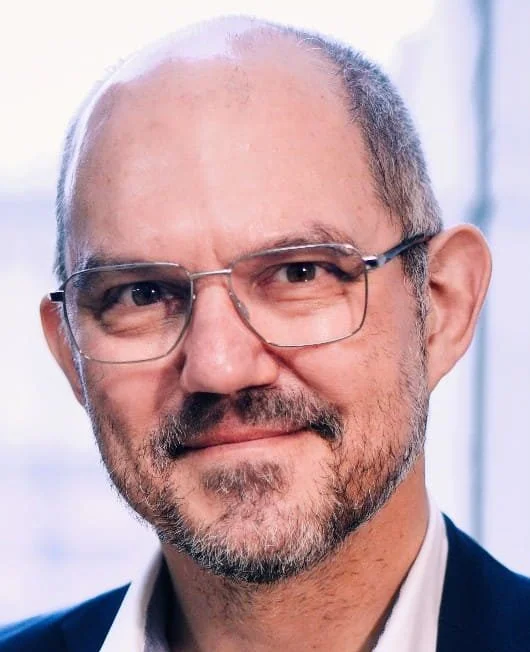
 Johan Almqvist leads Allio Consulting AB with a mission to help organisations clarify how data, technology infrastructure, and business strategy intersect. His work centres on building reliable HR and IT foundations that give leadership teams meaningful insight, strengthen organisational alignment, and prepare them thoughtfully for advanced technologies such as artificial intelligence.
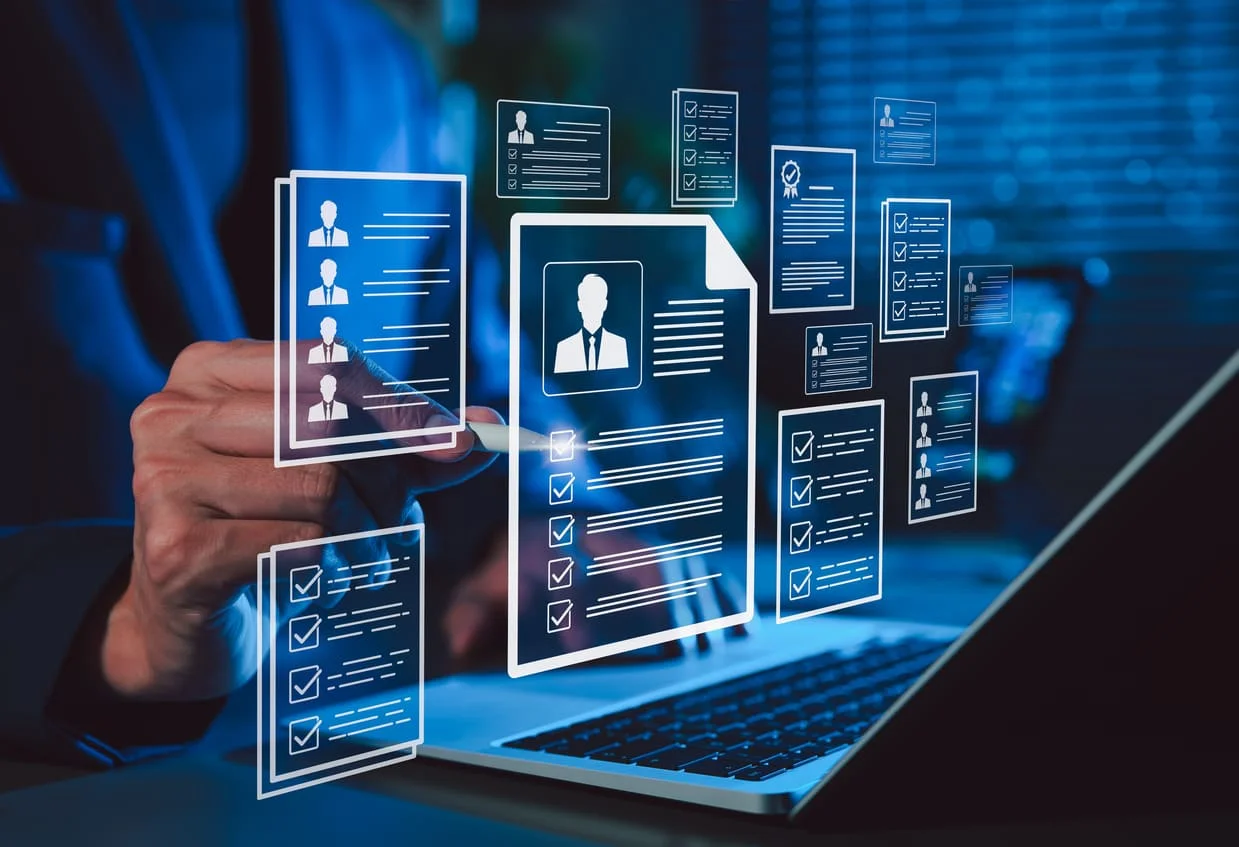
Almqvist’s professional path reflects a focus on the relationship between human capital and enterprise technology. For more than three decades, he has held leadership roles across HR and IT, contributing to transformation initiatives around the world. His early academic studies in computer science, systems science, and informatics provided a technical base that later merged with work in organisational design and operational transformation. This combination evolved into strategic advisory work aimed at aligning systems, processes, and workforce structures to support business performance.
Throughout his career, Almqvist has observed recurring patterns across global organisations. “I’ve seen organisations put significant effort into new reporting tools and digital platforms, yet leaders sometimes still look for a bit more confidence in the insights they receive. That’s what led me to focus more on the foundations underneath, how data is structured, how HR business processes shape it, and how those elements give actionable insights about the performance of the business,” he shares.
This perspective ultimately led to the creation of Allio Consulting AB, a firm dedicated to refining HR processes, strengthening system architecture, and harmonising workforce data across regions and functions. The company’s work spans employee experience, onboarding and offboarding design, job architecture, automation, and integration between HR and enterprise technology environments.
In his advisory work, Almqvist emphasises that effective decisions depend on collecting the right information in the right way. He highlights that advanced technologies deliver the greatest value when supported by strong data architecture and clear process definitions. “Technology can amplify patterns and accelerate analysis, yet leadership insight still begins with how organisations define, collect, and interpret their data,” he explains. This belief drives his focus on aligning IT infrastructure with HR business processes and workforce strategy across departments and geographies.
Global organisations, he notes, often develop local variations in how workforce data is defined, stored, and reported. Almqvist works with leadership teams to create harmonised frameworks that support consistent decision‑making across regions. He emphasises that alignment across countries may enable clearer workforce insights, stronger governance, and more reliable analytics. “Data becomes powerful when it tells the same story across every part of the organisation, while still respecting local context and operational realities,” he says.
His approach typically begins with a deep review of system architecture and data flows. Almqvist examines how information moves across platforms, how business processes influence data quality, and how organisations evaluate the outcomes of strategic decisions. This may include assessing how leadership effectiveness is measured through workforce feedback, performance trends, and operational indicators. Almqvist advocates that HR shouldn’t be viewed as reactive administrative work but rather a proactive tool to support leadership decisions and mentorship development.
“I also spend time looking at how organisations gather employee engagement information and how that input can guide longer‑term workforce planning,” Almqvist states. “At the same time, I try to understand how work actually moves across teams. When you follow the flow of tasks, you start to see where things can run a bit more smoothly, where some automation might help, and where reporting can become clearer.”
Through this work, Almqvist helps organisations identify opportunities to harmonise data, streamline processes, and strengthen governance models. A central theme is helping ensure that companies build strong infrastructure before scaling advanced analytics or AI‑enabled reporting, an approach he likens to designing the foundation before expanding digital capability.
His communication style also shapes how he engages with organisations. Almqvist often uses relatable analogies drawn from personal interests, such as golf, to explain complex data and system concepts. “Golf uses handicaps, but course difficulty varies, so slope ratings normalise scores. HR data works the same way: full‑time hours vary by country, and without normalisation, productivity comparisons can be misleading. Normalise the data, and the global metrics make sense. AI models depend on the same principle. They perform best with clean, structured, normalised inputs,” he explains.
As organisations expand their use of advanced analytics and AI‑enabled tools, Almqvist’s work reflects a focus on responsible and structured adoption. He views AI as an extension of existing decision-support capabilities that becomes more valuable as data quality improves. “AI has the potential to expand how organisations see patterns across their workforce. Still, human judgment continues to guide meaning, ethics, and strategic direction,” he says.
Almqvist’s broader vision involves helping organisations transition toward data-informed HR models that support long-term business growth. He promotes structured measurement approaches that can help translate people‑related topics into business‑relevant insights, enabling leaders to connect workforce strategy to operational performance. He suggests that technology investments tend to deliver stronger value when aligned with clear business questions and well‑designed data models.
Johan Almqvist’s work reflects a commitment to unifying people strategy, technology infrastructure, and data governance into a cohesive operating model. Through Allio Consulting AB, he continues to support organisations in building reliable data foundations, strengthening HR strategy, and preparing thoughtfully for the future of work.
Disclaimer: This article contains sponsored marketing content. It is intended for promotional purposes and should not be considered as an endorsement or recommendation by our website. Readers are encouraged to conduct their own research and exercise their own judgment before making any decisions based on the information provided in this article.