If you handle produce procurement, the question is no longer whether to import fresh fruit from Egypt but how to do it efficiently. Egypt’s blend of year-round sunshine, fertile Nile soils, and strategic shipping lanes has turned the country into a heavyweight in the global fruit trade. This guest post explains why importers from the UK, USA, Europe, Australia, Africa, the MENA region, and China increasingly look south-east across the Mediterranean for mangoes, citrus, grapes, and melons—and how a well-established exporter, such as Gaara Export, helps them move from interest to signed purchase order.
1. Off-Season Supply Without Compromising Quality
Northern-hemisphere retailers face empty shelves just as consumer demand peaks for tropical flavors or winter vitamin boosts. Egypt’s mild winters and long summer days create overlapping harvest windows, giving buyers near-seamless coverage when domestic produce is out of season. For importers, that means fewer gaps in assortment and steadier cash flow.
2. Location Still Beats Negotiation
Alexandria, Damietta, and Port Said are less than a day’s trucking from most major orchards, and each port sits close to key east–west sea lanes. Vessels crossing the Mediterranean reach southern Europe in just a few days; the Suez Canal trims week-long detours on routes to Asia and Australia. Faster voyages preserve shelf life and lower landed costs—a logistical edge money alone can’t buy.
3. Certifications That Breeze Through Customs
GLOBALG.A.P., GRASP, HACCP, and ISO 9001:2015 are now baseline requirements for supermarket programs from London to Shanghai. Egyptian pack-houses have kept pace, investing in digital traceability and third-party audits. Exporters issue full certificate packs—phytosanitary, pesticide-residue tests, temperature logs—so clearance teams spend minutes, not days, preparing files for border authorities.
4. Four Fruits Driving Demand
Mangoes (July – October)
Egyptian mangoes—especially Naomi and Keitt—are famous for rich aroma and vibrant color. Fruit is hydrocooler-chilled within hours of picking, extending transit life whether the load moves by air for premium programs or via fast sea freight to keep costs in check. If tropical SKUs are your growth category, consider a test order to import mangoes from Egypt before peak season.
Citrus (November – May)
Early-season Navel oranges deliver seedless convenience and bright peel color that stands out in retail displays, while late-season Valencia oranges supply juicing factories well into spring. Both varieties benefit from thick skins that resist bruising during long hauls.
Grapes (May – August)
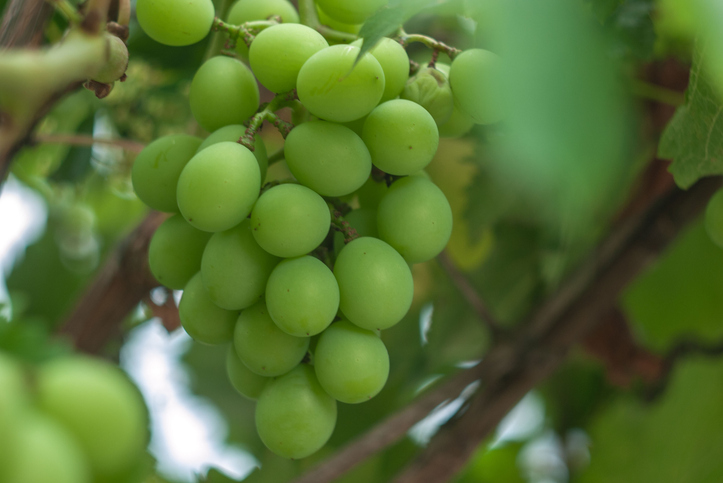
Prime Seedless (crisp pale-green berries) and Flame Seedless (sweet red) dominate Egypt’s table-grape exports. Clamshell, carry-bag, or loose-carton packing keeps distributors flexible—ideal for markets that juggle retail and food-service clients.
Melons (June – September)
Piel de Sapo thrives in sandy soils along the Nile Delta, developing dense, aromatic flesh that rarely breaks down in transit. Consistent BRIX levels and a distinctive speckled-green rind have earned the variety a loyal consumer following across Europe and the Gulf.
(If your program calls for a fruit not listed here, check the current harvest calendar with your supplier—availability expands every season.)
5. A Practical Import Checklist
1. Clarify Demand and Incoterms
Decide on target volumes, preferred temperature set-points, and whether you want FOB Alexandria or CFR to your home port.
2. Request a Formal Offer
Provide specs, destination, and loading window; reputable exporters answer within 24 hours.
3. Lock in Pack Formats
Retail clamshells, private-label cartons, or bulk bins—confirm counts before harvest begins.
4. Arrange Insurance and Freight
Many buyers lean on their own forwarders; others use the exporter’s contracted carriers to secure peak-season space.
5. Track & Trace
Modern exporters share real-time container updates and arrival-temperature reports, letting you fine-tune ripening rooms the moment fruit lands.
6. Why Work With Long-Established Exporters?
Plenty of new pack-houses open each year, yet importers still gravitate toward firms with a multidecade track record. A company such as Gaara Export—operating since the late 19th century—already owns long-term orchard relationships, pre-booked vessel slots, and in-house quality teams. That translates into fewer supply-chain surprises and faster dispute resolution when markets shift.
Key signals of a reliable partner
- Volume Flexibility: Ability to scale from trial pallets to full-container programs.
- Cold-Chain Investment: Pre-coolers, forced-air tunnels, and independent generator back-ups.
- Transparent QC: Photos at loading, pulp-temperature logs, and lab reports accessible in shared drives.
- Responsive Communication: Single liaison from quotation to delivery.
7: Balancing Price, Quality, and Risk
Egypt generally beats competing origins on FOB price, yet savvy buyers focus on landed cost per usable kilogram. That includes shrinkage, demurrage, and the intangible cost of replacing a load that arrives too ripe or with pesticide levels over the limit. Working with experienced fruit suppliers in Egypt helps you control those hidden variables—not merely the dollar figure on the contract.
Frequently Asked Questions
Can different fruits share the same container?
Yes, provided temperature requirements are compatible. Grapes and melons often travel together; mangoes and citrus generally do not.
Lead time from purchase order to sailing?
Seven to ten days in peak harvest, potentially shorter for early bookings or air-freight mangoes.
Who handles destination clearance?
Exporters supply all documentation. Most importers appoint their own broker; long-established suppliers can recommend agents if needed.
Is retail-ready packaging available?
Absolutely—private-label clamshells, flow-wrap, and POS cartons are common requests.
Conclusion
Egypt’s climate, proximity to key shipping lanes, and expanding certification portfolio have made the country a strategic pillar in global fresh-produce sourcing. Whether you are filling off-season gaps or building year-round tropical lines, partnering with an established exporter—one with the scale and systems of Gaara Export—lets you capitalise on Egypt’s strengths while minimising supply-chain risk. Review your demand forecasts now, secure harvest windows early, and explore how the right collaboration can turn Egyptian fruit potential into lasting profit.