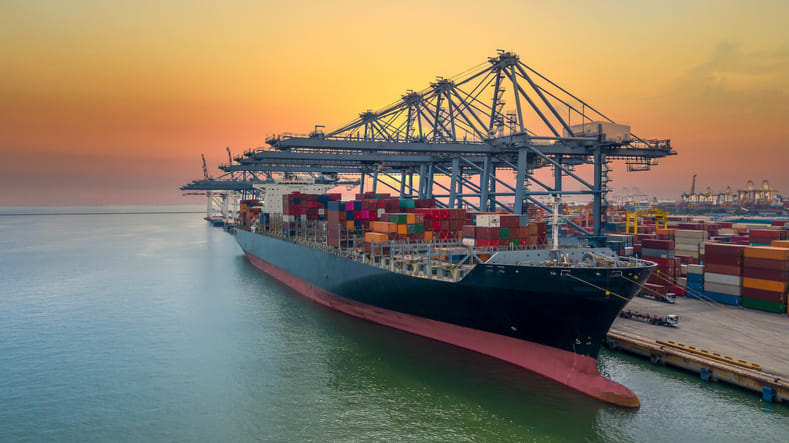
Global shipping operates as the lifeblood of international trade, connecting countries and industries worldwide. However, the constantly evolving nature of tariffs and trade agreements significantly reshapes the landscape. These policies not only affect freight costs but also influence the choice of shipping routes, market demand, and port operations. Tools like the dry bulk freight index provide valuable insights into understanding these trends and their financial implications.
How Tariffs Influence Freight Rates
Tariffs directly affect freight rates by increasing the cost of traded goods. When a country imposes a tariff, businesses face higher operating expenses, and the shipping industry often absorbs a portion of these costs. These changes ripple through ports and trade routes, fundamentally altering the pricing structure for shipments.
Key Effects of Tariffs on Freight Rates:
- Cost transfer. Part of the tariff burden may be passed down to shipping companies, causing rate hikes.
- Route shifts. Companies may focus on alternative routes or markets to bypass tariffed regions.
- Demand reduction. Higher goods prices can weaken demand, reducing shipping volumes.
Tariffs not only set up trade barriers but also realign the global flow of goods, forcing the industry to adapt.
Impact by Shipping Segment
The shipping industry feels the impact of tariffs differently, depending on its segment. Dry bulk carriers, container lines, and tanker fleets all respond uniquely to shifts in trade policies.
- Dry Bulk Shipping experiences significant disruptions when tariffs target commodities like grain, coal, or steel. A single imposed tariff on these goods can alter demand and adjust shipping rates drastically.
- Container Shipping is heavily influenced by tariffs tied to consumer goods. Companies may consolidate shipments to save costs, reducing container usage.
- Tanker Freight faces indirect impacts as tariffs reduce the demand for crude oil or liquefied gas, shifting trade routes.
Each segment must assess these variables to develop strategies that safeguard profitability during periods of legislative change.
Key Variables to Monitor
Several factors determine how tariffs and trade agreements affect global shipping. Staying informed helps companies make timely decisions and mitigate risks.
- Tariff modifications. Any increase or decrease in tariffs can disrupt both demand and supply chains, impacting freight rates and customs duty implications.
- Trade agreement revisions. New or revised agreements either create opportunities by removing barriers or impose constraints by introducing stricter conditions.
- Shipping route adjustments. Port closures, alternative routes, or reduced demand in specific regions due to tariffs can shift global shipping patterns.
- Global demand changes. Consumer and industrial demand fluctuates in reaction to tariff costs. A tariff can escalate manufacturing costs, impacting shipping volumes.
By tracking these variables, companies can prepare for significant shifts and strategize accordingly.
Industry-specific Impacts
Tariffs don’t affect all industries equally. Export-heavy sectors such as automotive, electronics, steel, and agriculture often experience sharper adjustments.
- Automotive industry. Higher tariffs on vehicle exports can increase shipping volumes for raw materials as countries try to diversify production bases.
- Steel and aluminum. Tariffs inspire stockpiling of materials before price increases become effective, temporarily boosting demand but later reducing shipment volumes.
- Agriculture. Tariffs on crops like soybeans or wheat force traders to shift shipping destinations, rerouting vessels to untapped emerging markets.
These industry-specific impacts illustrate the interconnectedness between trade policies and global shipping.
Key Strategies to Mitigate the Impact of Tariffs
Navigating the uncertainty of tariffs and changing agreements requires strategic adjustments by shipping companies.
- Explore alternative markets. When tariffs make certain trade lanes unappealing, shipping companies should focus on routes with higher profit potential or lower risk exposure.
- Advance cost management. Invest in fuel efficiency, better port scheduling, and predictive logistics to reduce operational costs and stay competitive.
- Leverage technology. Data-driven tools like freight rate indices or AI-powered analytics help companies forecast impact and adapt efficiently to new policies.
- Flexible contracts. Negotiate shipping agreements with clauses that accommodate tariff-related rate changes.
Effective strategies allow businesses to remain resilient, even in times of global policy upheavals.
Conclusion
Tariffs and trade agreements are powerful forces that shape the global shipping ecosystem. From shifting routes to fluctuating freight rates, these policies deeply impact how goods move across the world.
Shipping companies must stay proactive by monitoring variables like tariff changes, evolving trade agreements, and industry-specific impacts. Coupled with strategic measures such as cost savings, leveraging technology, and evaluating alternate shipping routes, companies can secure resilience in an unpredictable global marketplace. Understanding these dynamics isn’t just about adapting to shifts but thriving in them.