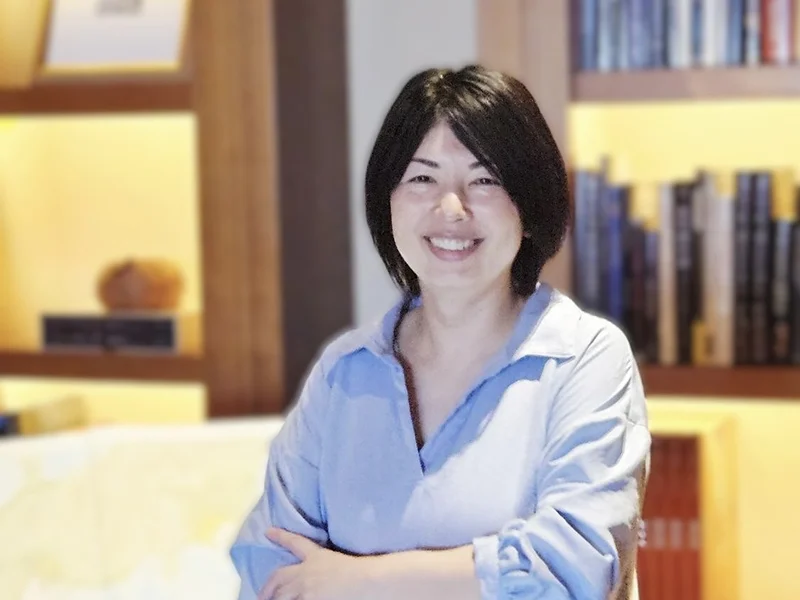
Japan is often described as an important pharmaceutical market. From the outside, that description can make entry appear straightforward: secure regulatory approval, appoint the right commercial partners, and begin building demand. Dr. Yukiko Asaeda sees a different reality. Japan is not simply a market to enter. It is a healthcare ecosystem—one shaped by patient communities, clinical leaders, academic societies, referral networks, regulators, and relationships built over time.
That distinction lies at the center of Patientricity MedPartners, the company she founded to help global biotech companies navigate Japan with greater clarity and a stronger connection to the patients their therapies are intended to serve. Her approach reflects a career that has crossed medicine, pharmaceutical development, drug safety, medical affairs, and global business. It also carries lessons formed much earlier, on the basketball court.
The Principles Formed Before Medicine
Asaeda’s first ambition was not medicine. At four years old, she wanted to become a teacher, inspired by a kindergarten teacher who could capture a room’s attention and guide people with calm authority. As she grew older, however, basketball became the defining arena of her youth.
She attended a nationally competitive high school whose team placed third in Japan. Her goal was to become a professional player. Training at that level exposed her to a difficult truth: effort matters, but effort alone does not determine the outcome. Fundamentals must hold under pressure, discipline must survive fatigue, and performance must ultimately create results.
The experience also confronted her with the gap between aspiration and current ability. Realizing that a professional career might not be within reach was her first major setback. Yet it did not end her willingness to pursue difficult goals. It taught her how to reassess, rebuild, and move forward without abandoning ambition.
Starting Again in Canada
At eighteen, Asaeda moved to Canada alone. Despite years of compulsory English education in Japan, she had little practical experience using the language and had to navigate a new culture while building a life and network from scratch.
The move forced her to start from zero in an unfamiliar environment.
That experience broadened her sense of what a life and career could become. It also strengthened a form of resilience that would later prove essential: the ability to enter a new system with humility, learn how it works, and earn trust without expecting familiarity to do the work.
Her path toward healthcare emerged after a high-school basketball injury introduced her to a physical therapist whose commitment to recovery left a lasting impression. She first became interested in sports medicine, then chose medical school and clinical practice. Drawn to the care of critically ill patients, she initially imagined a future in intensive care.
Seeing Healthcare From Every Angle
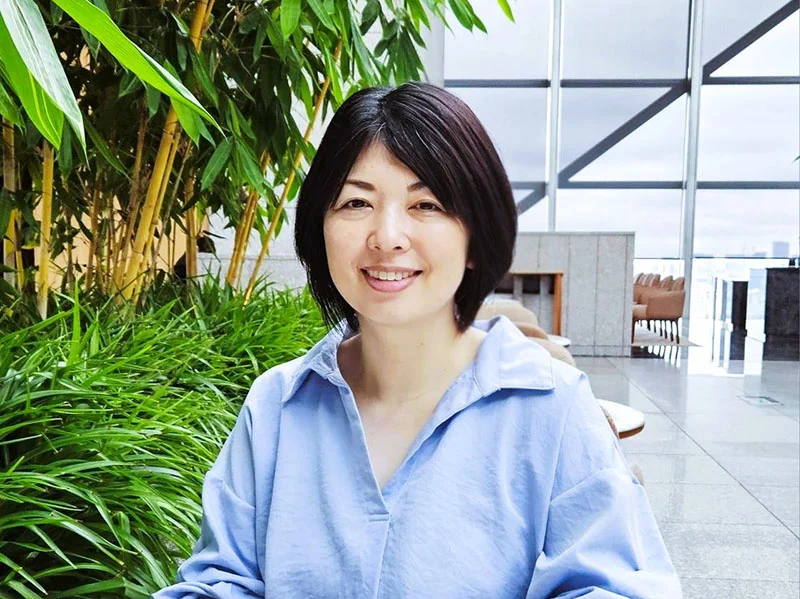
Clinical medicine gave Asaeda direct experience of what illness demands from patients, families, and healthcare professionals. But her time in Canada had also given her a global perspective. She began to ask whether she could make a greater impact on patients’ lives by helping create and deliver new therapies across borders.
She moved into the pharmaceutical industry early in her career and went on to build experience across global business, drug development, drug safety, and medical affairs, including work connected to rare diseases. These roles allowed her to see healthcare from several positions at once: the bedside, the development organization, the global company, and the local healthcare system responsible for turning innovation into patient access.
The wider her view became, the clearer one problem appeared. A medicine can be scientifically strong, clinically effective, and successfully approved, yet still fail to deliver its full value if the development and launch strategy does not reflect patients’ daily realities.
One example came from a rare genetic disease program. Although a clinical endpoint had already been established in the global development program, its relevance to Japanese patients remained uncertain. Patient engagement in Japan showed that the endpoint captured outcomes that genuinely mattered to patients, helping confirm its relevance in Japan and providing critical evidence to inform the development strategy.
Japan Is an Ecosystem, Not Simply a Market
For global biotech companies, Japan can appear opaque. Regulatory pathways matter, but they are only one part of the picture. Patient organizations, key clinical leaders, medical societies, treatment pathways, referral networks, and regulatory authorities all influence how a therapy is understood, adopted, and integrated into clinical practice.
The system does not move through transactions alone. It moves through credibility, context, and relationships. This is especially important in rare diseases, where diagnosis may be delayed, expertise is concentrated among a small number of specialists, and patient communities often hold knowledge that cannot be captured through conventional market analysis.
Asaeda’s view is straightforward: a company should not wait until commercialization to understand this ecosystem. The strongest Japan strategy begins earlier, while evidence, development plans, engagement models, and organizational expectations can still be shaped.
From External Adviser to Trusted Partner in Japan
Patientricity MedPartners was built around that need. Asaeda defines her role not simply as advising from outside, but as becoming a trusted partner in Japan for global biotech leadership teams.
That means translating more than language. It means interpreting how global strategy will be received locally, adapting it to local realities, identifying the relationships a company must build, connecting innovators with patients and healthcare professionals, and helping leaders distinguish a short-term market-entry task from the longer work of establishing legitimacy.
It also means being candid when an imported assumption does not fit Japan. A responsible partner must be able to explain why a plan may encounter resistance, where patient insight is missing, and which conversations should happen before major commitments are made.
Developing Medicines With Patients
A second conviction runs through Asaeda’s work: patient engagement should not be treated as a communications exercise after the essential decisions have already been made.
“We need to move beyond developing medicines for patients and begin developing medicines with patients,” she says.
The distinction is practical. Treatment burden, convenience, quality of life, and the realities of long-term care can determine whether an intervention that performs well in a study can also work in everyday life. Patient perspectives can inform development choices, evidence plans, educational approaches, and commercialization strategies—but only when organizations listen early enough to act on what they learn.
For Asaeda, regulatory approval is therefore a milestone, not the final definition of success. The more meaningful question is whether a therapy reaches the people who need it and creates value in the circumstances in which they actually live.
The Arena Changes, the Principles Do Not
Asaeda’s journey has moved from nationally competitive basketball to Canada, from clinical medicine to the pharmaceutical industry, and from corporate leadership to entrepreneurship. The settings changed, but the principles remained remarkably consistent: learn the system, master the fundamentals, stay disciplined under pressure, and measure success by meaningful outcomes.
Her next ambition is to help Japanese discoveries reach patients around the world by connecting promising innovations with global development opportunities. She also aims to pioneer new mission-driven models for ultra-rare diseases, ensuring that patients have access to life-changing therapies regardless of disease prevalence or commercial viability.
Building Patientricity MedPartners from the ground up has reinforced that progress depends on credibility earned through preparation, judgment, consistency, and results.
For global biotech leaders considering Japan, her message is equally consistent. Japan should not be approached as another box to check on an expansion plan. It should be understood as a living healthcare ecosystem that rewards preparation, trust, and patient-centered partnership.
The arena may change, but the principles do not.