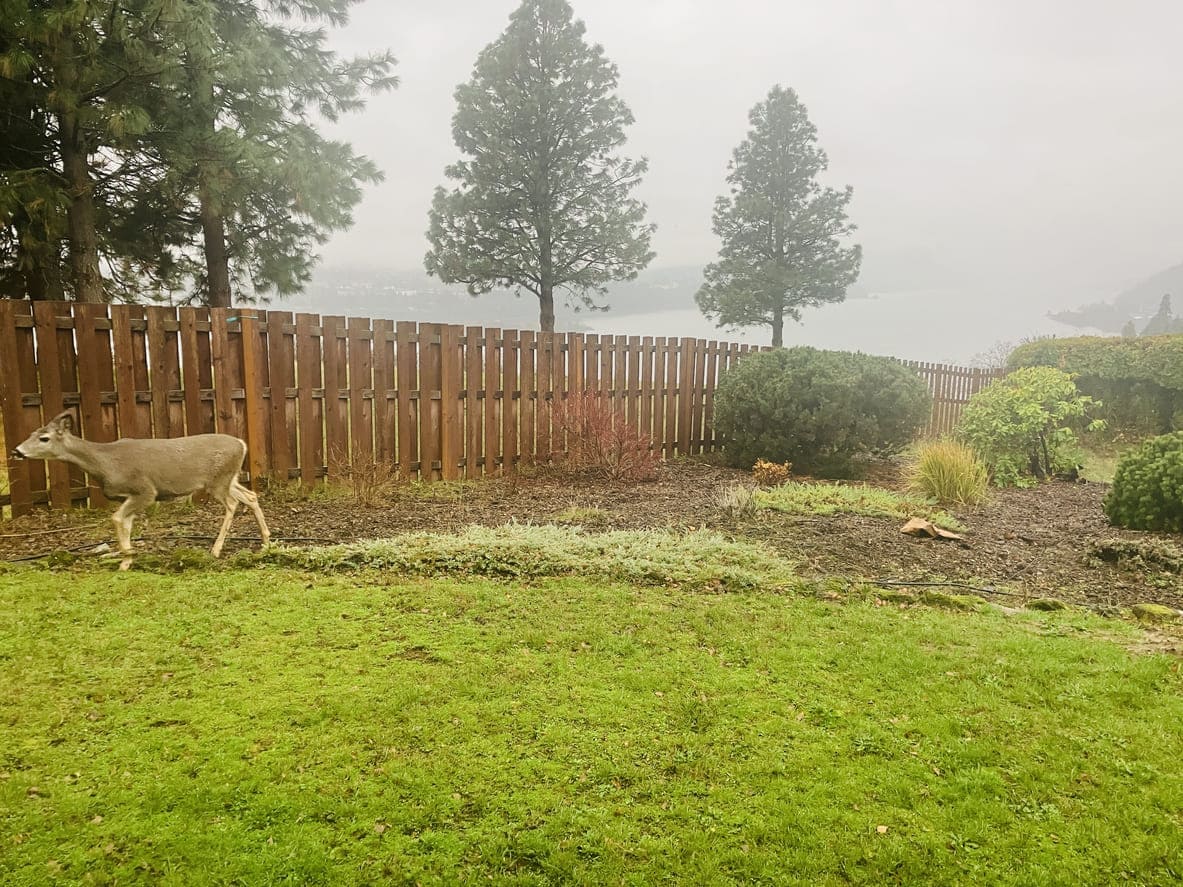
For residents of East Hampton, maintaining beautiful landscapes amidst a growing deer population poses significant challenges. These graceful creatures can wreak havoc on meticulously designed gardens, causing irreversible damage to plants and trees. Implementing effective deer control solutions is crucial for preserving the integrity of local gardens and landscapes. In this article, we explore various methods of deer control, the consequences of deer overpopulation on local flora, and sustainable strategies for managing these animals effectively. Additionally, we’ll discuss the long-term benefits of adopting such practices, ensuring that your landscapes remain vibrant and healthy.
Effective Deer Control Methods for East Hampton Landscapes
East Hampton landscapers employ various techniques to protect gardens from deer damage. One popular method involves using Integrated Pest Management (IPM), which combines biological, physical, and chemical tools to deter deer. IPM emphasizes using environmentally friendly solutions, such as deer-resistant plants and natural repellents, to minimize landscape damage. Additionally, strategic Mulching techniques can help mask the scent of desirable plants, making them less attractive to deer. Furthermore, physical barriers like fencing are also a viable option. When positioned correctly, fences can prevent deer from accessing vulnerable plants and trees.
Another effective approach is utilizing Plant hardiness zones to select vegetation that deer are less likely to consume. Choosing plants that thrive in East Hampton’s specific hardiness zone naturally discourages deer from frequenting gardens. Incorporating Xeriscaping principles, which focus on water-efficient landscaping, can further reduce the appeal of gardens to deer while conserving resources.
For those seeking professional assistance, Deer Control East Hampton offers comprehensive solutions tailored to local needs. Their expertise in deer management can safeguard your landscape from unwanted damage while preserving its beauty.
Impact of Deer Overpopulation on Local Flora
The unchecked growth of the deer population in East Hampton has led to significant ecological consequences. Overpopulation can result in the depletion of various native plant species, including shrubs, trees, and groundcover. This imbalance disrupts the local ecosystem, affecting pollinators and other wildlife that rely on these plants for survival. Moreover, deer consume a wide variety of flora, leading to soil erosion and compromised Soil pH testing results, which are crucial for maintaining a healthy garden environment.
Deer overpopulation also challenges Hardscaping efforts. As deer forage, they can damage stone pathways and ornamental structures, leading to costly repairs. The loss of native plants further exacerbates this issue, as it diminishes the aesthetic appeal and functionality of carefully designed landscapes.
Addressing these concerns requires a comprehensive deer management plan that balances the needs of the local ecosystem with landscape preservation. Implementing such measures can protect the natural beauty of East Hampton while supporting biodiversity.
Strategies for Implementing Successful Deer Management
Effective deer management starts with a well-constructed Landscape maintenance plan that integrates various deterrent strategies. One approach involves regular Pruning schedules, which remove deer-attracting foliage and promote healthier plant growth. This technique reduces the likelihood of deer feeding, while enhancing the overall aesthetics of the garden.
Incorporating Drip irrigation design minimizes water usage while ensuring plants receive adequate hydration. This method supports plant health without attracting deer to water sources, reducing the risk of landscape damage. Additionally, using Biostimulants can strengthen plant resilience, making them less appealing to deer.
Another strategy is Green waste recycling, which involves repurposing organic materials to create natural barriers and repellents. By applying Compost tea application techniques, gardeners can enrich soil and deter deer with the pungent aroma of compost. These sustainable practices contribute to effective deer management while promoting environmental health.
Long-Term Benefits of Sustainable Deer Control Practices
Adopting sustainable deer control methods yields numerous long-term benefits for East Hampton landscapes. By employing strategies such as IPM and Xeriscaping, homeowners can reduce the frequency of deer intrusions, preserving the beauty and functionality of their gardens. Sustainable practices also enhance Turf management efforts, ensuring lawns remain lush and vibrant year-round.
Furthermore, maintaining a balanced ecosystem through thoughtful deer management fosters biodiversity, supporting both flora and fauna. This holistic approach benefits the local community by promoting ecological health and reducing landscape maintenance costs. Ultimately, sustainable deer control ensures the longevity and appeal of East Hampton gardens.
Conclusion
Effective deer control in East Hampton is vital for reducing landscape damage and preserving the region’s natural beauty. By implementing various strategies tailored to local conditions, residents can safeguard their gardens from deer intrusions. Sustainable practices not only protect landscapes but also support biodiversity and environmental health. For those seeking expert assistance, professional services like Deer Control East Hampton provide valuable solutions, ensuring that East Hampton gardens thrive for years to come.