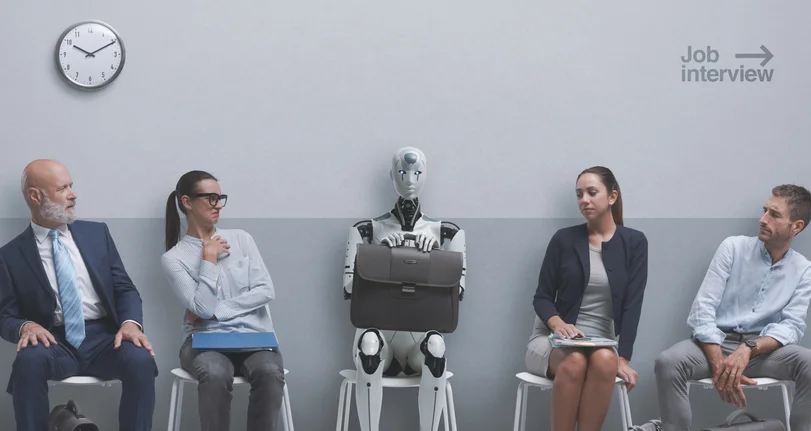
Artificial intelligence is changing recruitment from both sides of the table. Employers use it to screen applications, organise candidate information and make hiring workflows more efficient. Candidates are now using the same class of technology to understand job descriptions, practise difficult questions and receive feedback before an important conversation.
The most useful development is not automatic answer generation. It is the emergence of structured, repeatable interview preparation. Instead of reading lists of generic questions the night before an interview, candidates can rehearse realistic conversations, compare their answers with the requirements of a role and identify specific weaknesses while there is still time to improve them.
From passive preparation to active rehearsal
Traditional preparation often consists of researching the company, reviewing a résumé and memorising several examples. These remain important, but they do not reproduce the pressure of listening, thinking and speaking at the same time. A candidate may understand the STAR framework perfectly and still lose structure when asked an unexpected follow-up question.
AI-assisted mock interviews make preparation more active. A system can ask a question aloud, listen to the response and generate a follow-up based on what was actually said. This creates a closer approximation of a real interview than a static question bank. Candidates can repeat the same competency area several times without rehearsing an identical script.
Tools such as Acedly AI combine mock interviews, résumé context and real-time coaching in one workflow. The practical value is continuity: the experience and achievements used during practice are the same material available when the candidate reviews or improves an answer later.
Feedback becomes more specific
Advice such as “be more confident” is difficult to act on. Useful feedback needs to identify observable behaviour. Did the candidate spend too long explaining the situation? Was the result missing a measurable outcome? Did a technical explanation skip an important trade-off? Was the answer relevant to the role described in the job posting?
AI systems can evaluate these repeatable elements consistently. They can flag answers that are too long, identify missing parts of a framework and compare the language in a response with the skills emphasised in a job description. This does not replace the judgement of a recruiter, mentor or experienced colleague. It gives the candidate a faster feedback loop between human coaching sessions.
Personalisation matters more than prediction
The strongest interview tools do not try to predict a secret list of questions. Instead, they use information the candidate already has: the résumé, the job description, the seniority of the role and the likely interview format. A product-management interview requires different evidence from a software-engineering or consulting interview, even when each includes questions about leadership and problem solving.
Personalisation also reduces the temptation to memorise polished but generic answers. When feedback is grounded in a candidate’s real projects and responsibilities, preparation becomes an exercise in selecting and communicating genuine evidence. This is more resilient than learning a script because interviewers almost always probe details.
Responsible use requires clear boundaries
AI support should strengthen a candidate’s own judgement, not invent qualifications or experiences. Candidates remain responsible for every claim they make. They should also understand the policies of employers, assessment providers and interview platforms, particularly when an interview includes monitored tests or explicitly prohibits outside assistance.
A sensible approach is to use AI extensively before the interview: research the role, practise spoken answers, improve structure and identify knowledge gaps. During an interview, any support should comply with the employer’s rules and preserve the authenticity of the conversation. Technology is most valuable when it helps people express what they genuinely know more clearly.
A more measurable preparation process
Interview preparation has historically been difficult to measure. Candidates often judge readiness by the number of questions they have read. A better method is to track performance: whether answers stay within a useful length, include concrete evidence, address the competency being assessed and improve after feedback.
This turns preparation into a cycle. The candidate completes a mock interview, reviews recurring weaknesses, revises two or three examples and rehearses again. Over time, progress becomes visible in clearer explanations, stronger evidence and more controlled delivery.
The human advantage remains central
Recruitment decisions involve context, trust and human judgement. AI cannot fully understand a career transition, a difficult team environment or the significance of a project in the way an experienced interviewer can. Nor should candidates outsource self-reflection to software.
What AI can do is remove friction from practice. It can make realistic rehearsal available on demand and help candidates notice patterns they would otherwise miss. Used thoughtfully, it does not make the interview less human. It gives candidates more opportunities to arrive prepared, communicate honestly and focus on the conversation in front of them.