Modern buildings are designed to be efficient, durable, and easy to maintain. However, one area that is sometimes overlooked is safe access to rooftops. Whether a building houses HVAC systems, solar panels, drainage equipment, or communication units, maintenance teams often need regular access to the roof. Without suitable access solutions, routine inspections and repairs can become hazardous.
Safe roof walkways provide a practical way to protect workers while helping building owners maintain their properties more effectively.
Protecting Workers from Falls
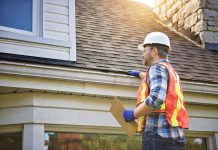
Working at height is one of the biggest safety risks in the construction and facilities management sectors. Uneven surfaces, fragile roofing materials, slippery conditions, and hidden obstacles can all increase the likelihood of accidents.
A dedicated roof walkway creates a clearly defined route across the roof, allowing maintenance personnel to move safely between access points and equipment. By providing stable footing and reducing the need to walk directly on roofing materials, walkways help lower the risk of slips, trips, and falls.
When combined with other safety measures such as guardrails and fall protection systems, roof walkways become an essential part of a comprehensive roof safety strategy.
Preserving the Roof Structure
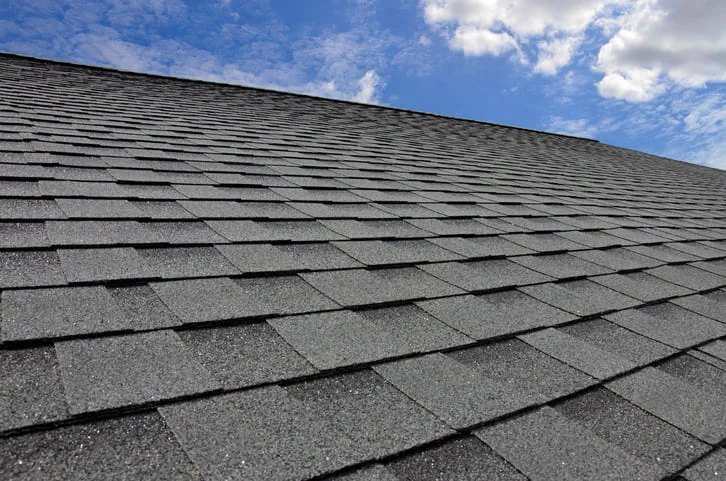
Roofs are designed to withstand weather conditions, but they are not always built to handle repeated foot traffic. Walking directly across roofing membranes, insulation, or delicate finishes can cause unnecessary wear and tear over time.
Installing designated walkways helps distribute weight more evenly while directing traffic away from vulnerable areas. This reduces damage to roofing materials and can help extend the lifespan of the roof itself.
By preventing avoidable deterioration, building owners may also reduce maintenance costs and minimise the likelihood of unexpected repairs.
Supporting Efficient Maintenance
Regular inspections are vital for keeping commercial buildings operating efficiently. Air conditioning systems, ventilation units, solar panels, drainage outlets, and other rooftop equipment all require routine servicing.
Safe roof walkways make these tasks quicker and more straightforward by providing clear routes between access points and work areas. Maintenance teams can focus on completing their work safely rather than navigating difficult or unstable surfaces.
Improved accessibility also encourages more frequent inspections, allowing minor issues to be identified before they develop into expensive problems.
Helping Meet Safety Responsibilities
Building owners and facility managers have a responsibility to provide safe working environments for employees and contractors. This includes ensuring that anyone required to work on the roof has appropriate protection against potential hazards.
Well-designed roof access systems demonstrate a proactive approach to workplace safety. Installing purpose-built walkways can form part of wider risk management procedures and help organisations create safer conditions for everyone involved in building maintenance.
Choosing quality systems from trusted providers, such as keesafety.co.uk, can help ensure rooftop access solutions are designed with both safety and durability in mind.
Suitable for a Wide Range of Buildings
Roof walkways are valuable across many different sectors. Commercial offices, warehouses, factories, healthcare facilities, schools, retail premises, and public buildings all benefit from safer rooftop access.
As modern buildings increasingly incorporate renewable energy technologies and complex mechanical systems, rooftop traffic is becoming more common. Providing designated walkways helps ensure maintenance can be carried out safely regardless of the building’s purpose.
A Long-Term Investment
Although installing roof walkways requires an initial investment, the long-term benefits often outweigh the cost. Improved worker safety, reduced roof damage, easier maintenance, and greater operational efficiency all contribute to lower lifetime building costs.
For organisations that prioritise health and safety, roof walkways are more than a convenience; they are an important part of responsible building management. By creating safer access routes today, building owners can help protect people, preserve valuable assets, and support the long-term performance of their properties.